Setting up a freshwater aquarium can be a fun and exciting adventure. With so many beautiful fish to choose from, it’s essential to know which species are best for your tank and how to care for them. This guide will help you make informed decisions about your aquatic pets, ensuring a healthy and vibrant environment for them to thrive in.
Key Takeaways
- Choose fish that match your tank size and conditions.
- Research the specific care needs of each fish species.
- Regularly test your water quality to keep fish healthy.
- Provide a balanced diet suited to your fish’s needs.
- Create a comfortable environment with plants and hiding spots.
1. GloFish Danio

GloFish Danios are among the most colorful freshwater fish you can find! These vibrant little fish are perfect for beginners and can brighten up any aquarium. They come in stunning colors like red, green, orange, blue, and purple, all produced naturally through genetics, not dyes, so their colors stay bright.
Key Information
| Feature | Details |
|---|---|
| Maximum Size | 2.5 inches |
| Life Expectancy | 3 to 4 years |
| Minimum Tank Requirement | 10 gallons |
| Water Temperature | 64° to 75° Fahrenheit |
| Care Level | Easy |
These fish are omnivorous, thriving on a diet of tropical flakes and frozen foods. It’s best to keep them in small groups, either in species-only tanks or with other peaceful fish.
Care Tips
- Feeding: Use high-quality food like Omega One flakes to ensure they get the nutrients they need.
- Tank Setup: Provide plenty of hiding spots and plants to make them feel secure.
- Lighting: Use appropriate aquarium lights to enhance their colors and create a beautiful display.
GloFish Danios are not just beautiful; they are also hardy and easy to care for, making them a great choice for any aquarium enthusiast!
2. Neon Tetra
Neon tetras are often called the jewels of the aquarium world. These small fish are known for their stunning blue and red colors. They typically grow to a maximum size of 1.25 inches and can live for about 3 to 4 years. To keep them happy, a minimum tank size of 10 gallons is recommended, with water temperatures ranging from 68° to 78° Fahrenheit.
Care Tips
- Tank Setup: Neon tetras thrive in heavily planted tanks with subdued lighting. They enjoy having plenty of hiding spots, such as caves and driftwood.
- Diet: These fish are omnivores and do well on a diet of tropical flakes, micro-pellets, and occasional frozen foods like bloodworms and brine shrimp.
- Community Fish: Neon tetras are peaceful and can be kept with other small, non-aggressive fish, making them great for community tanks.
Quick Facts
| Feature | Details |
|---|---|
| Maximum Size | 1.25 inches |
| Life Expectancy | 3 to 4 years |
| Minimum Tank Size | 10 gallons |
| Ideal Temperature | 68° to 78° Fahrenheit |
| Care Level | Easy |
Keeping neon tetras in schools of six or more enhances their natural behavior and creates a beautiful display in your aquarium. Remember, a well-maintained environment is key to their health and happiness. Regular testing with products like Advatec test strips can help ensure optimal water conditions.
3. Golden Wonder Killifish

Golden Wonder Killifish are vibrant fish that can grow up to 4 inches long and live for about 3 to 4 years. They thrive in a minimum tank size of 20 gallons and prefer water temperatures between 72° to 75° Fahrenheit. These fish are known for their beautiful blue to yellow colors, highlighted by bright orange stripes and spots.
Key Care Tips:
- Water Conditions: They do best in slightly acidic to neutral water, with a pH between 6.0 and 7.5. Using a good dechlorinator is essential when setting up your tank.
- Diet: Golden Wonder Killifish are carnivores. They enjoy live foods like tubifex, white worms, and brine shrimp, but they will also eat some frozen and flake foods.
- Tank Setup: A heavily planted tank is ideal for these fish, as they prefer environments with plenty of hiding spots.
Quick Facts:
| Feature | Details |
|---|---|
| Maximum Size | 4 inches |
| Life Expectancy | 3 to 4 years |
| Minimum Tank Requirement | 20 gallons |
| Water Temperature | 72° to 75° Fahrenheit |
| Care Level | Easy |
Golden Wonder Killifish are not only easy to care for but also add a splash of color to your aquarium. They are perfect for both beginners and experienced fish keepers!
4. Kuhli Loach
The Kuhli Loach is a fascinating addition to any aquarium. These small, eel-like fish typically grow to about 4 inches long and are known for their unique striped appearance. They are nocturnal scavengers, meaning they are most active at night, making them a delight to observe during those hours.
Care Requirements
- Minimum Tank Size: 20 gallons (75 liters) is recommended for a small group.
- Water Conditions: They thrive in slightly acidic water with a pH of around 6.0 to 7.5.
- Temperature: Ideal water temperature ranges from 75°F to 86°F (24°C to 30°C).
Feeding
Kuhli Loaches are not picky eaters. They enjoy a variety of foods, including:
- Live foods like black worms and brine shrimp.
- Frozen foods such as bloodworms.
- High-quality flakes or pellets designed for bottom feeders.
Tank Setup
To create a suitable environment for Kuhli Loaches, consider the following:
- Hiding Spots: Use plants, rocks, and driftwood to provide plenty of hiding places.
- Substrate: A soft substrate is essential to protect their delicate bodies.
- Lighting: Dim lighting mimics their natural habitat and makes them feel secure.
Providing a well-planted and spacious environment will help your Kuhli Loaches feel at home and thrive in your aquarium.
Summary
Kuhli Loaches are peaceful, social fish that do well in groups. They are excellent for keeping the tank clean as they scavenge for leftover food. With proper care, they can live up to 14 years, making them a long-term companion in your aquatic setup.
5. American Flagfish

The American Flagfish is a small, colorful fish that is easy to care for, making it a great choice for beginners. Here are some key details about this fish:
| Feature | Details |
|---|---|
| Maximum Size | 2.5 inches |
| Life Expectancy | 2 to 3 years |
| Minimum Tank Requirement | 10 gallons |
| Water Temperature | 66° to 72° Fahrenheit |
| Care Level | Easy |
This fish is known for its striking colors, resembling the American flag with its red and creamy green stripes. They thrive in community tanks and prefer environments with plenty of plants and hiding spots.
Diet
American Flagfish are omnivores and enjoy a varied diet. Here are some food options:
- Live foods like brine shrimp and white worms
- Frozen meaty foods
- Tropical flakes
- Algae wafers (if algae is scarce in the tank)
Remember, providing a balanced diet is essential for their health and vibrant colors. You can find various Aquarium Accessories to enhance their habitat.
Care Tips
- Tank Size: Ensure your tank is at least 10 gallons to provide enough space.
- Water Quality: Regularly check water parameters to keep them healthy.
- Feeding: Offer a mix of foods to meet their dietary needs.
The American Flagfish is not only beautiful but also helps control algae in your aquarium, making it a practical choice for any fish enthusiast. For all your aquarium needs, check out All Products available at your local store!
6. Indian Glassfish
Overview
The Indian Glassfish is a unique and beautiful addition to any aquarium. These fish are known for their almost transparent bodies, which make them stand out in a well-planted tank.
Care Requirements
To keep Indian Glassfish healthy, consider the following:
- Tank Size: Minimum of 30 gallons.
- Water Temperature: Maintain between 72° to 80° Fahrenheit.
- Schooling: They thrive in groups, so keep at least five together.
Feeding
These fish are omnivorous and enjoy a varied diet. You can feed them:
- Tropical flakes
- Frozen foods like brine shrimp
- Fish Food that includes both plant and animal matter.
Compatibility
Indian Glassfish are generally peaceful but can eat smaller fish. Here are some good tank mates:
- Tetras
- Rasboras
- Other small, non-aggressive species
Important Tips
Ensure your tank has plenty of hiding spots and open swimming space. This mimics their natural habitat and helps reduce stress.
Summary
In summary, the Indian Glassfish is a stunning choice for aquarists looking for a unique fish. With proper care and a suitable environment, they can live up to 8 years, providing beauty and interest to your aquarium.
7. Peacock Gudgeon
The Peacock Gudgeon is a stunning addition to any aquarium. These small fish typically grow to about 2.5 inches and can live for 4 to 5 years. They thrive in a well-decorated tank with plenty of hiding spots and plants. Here are some key points to consider when caring for them:
Care Requirements
- Tank Size: Minimum of 15 gallons.
- Water Temperature: Keep it between 72° to 77° Fahrenheit.
- Diet: They are omnivorous and enjoy a mix of flake food, frozen foods like brine shrimp, and bloodworms.
Breeding Tips
- Breeding Setup: Ensure the tank is well-planted and has good filtration.
- Egg Care: Males will guard the eggs until they hatch, making it a fascinating process to observe.
Compatibility
- Community Fish: Peacock Gudgeons are peaceful and can coexist with other gentle species, making them ideal for community tanks.
Keeping a well-maintained aquarium with the right Aquarium Kits and Cabinets is essential for the health of your fish. Regular water quality checks and proper feeding will ensure your Peacock Gudgeons thrive in their environment.
| Feature | Details |
|---|---|
| Maximum Size | 2.5 inches |
| Life Expectancy | 4 to 5 years |
| Minimum Tank Requirement | 15 gallons |
| Care Level | Easy |
8. Bristlenose Plecostomus
The Bristlenose Plecostomus is a charming freshwater catfish that can be a delightful addition to your aquarium. These fish typically grow to about 5 inches and can live for around 5 years. They thrive in a minimum tank size of 30 gallons, with a water temperature range of 74° to 79° Fahrenheit.
Care Requirements
- Tank Setup: Ensure your tank has good filtration and plenty of hiding spots like rocks and driftwood. This helps keep them happy and healthy.
- Feeding: Bristlenose Plecos are omnivores and enjoy a diet rich in algae. You can supplement their diet with flake foods and algae wafers. Remember, they require plenty of fiber, so consider adding raw zucchini or spinach as treats once or twice a week.
- Behavior: These fish are generally peaceful and can coexist well with other community fish. They are nocturnal, so it’s best to feed them at night after the lights are off.
Compatibility and Tank Mates
Bristlenose Plecos are compatible with many fish species, making them great for community tanks. Here are some good tank mates:
- Tetras
- Guppies
- Corydoras Catfish
Quick Facts
| Feature | Details |
|---|---|
| Maximum Size | 5 inches |
| Life Expectancy | 5 years |
| Minimum Tank Size | 30 gallons |
| Water Temperature | 74° to 79° Fahrenheit |
| Care Level | Easy |
Keeping Bristlenose Plecostomus in a well-maintained tank with proper filtration and hiding spots will ensure they thrive and bring joy to your aquarium!
9. Bolivian Ram
The Bolivian Ram, also known as the Red Ram or Butterfly Ram, is a beautiful and peaceful fish that can enhance any aquarium. These fish thrive in a well-decorated tank that mimics their natural habitat, which includes fine sand or smooth gravel substrate. They are best suited for experienced hobbyists due to their specific care needs.
Key Characteristics
- Maximum Size: 3 inches
- Life Expectancy: 4 years
- Minimum Tank Requirement: 30 gallons
- Water Temperature: 72° to 79° Fahrenheit
- Care Level: Experienced Only
Care Tips
- Tank Setup: Bolivian Rams appreciate a well-planted tank with plenty of open swimming space and hiding spots. Adding caves can encourage spawning.
- Diet: They are omnivorous and enjoy a varied diet, including flakes, frozen food, and live brine shrimp.
- Breeding: These fish pair for life and can be encouraged to spawn in a home tank if conditions are right. Both parents will care for the fry after hatching.
Important Considerations
- Lighting: Use a gentle light source, such as a Kessil light, to create a comfortable environment.
- Water Quality: Regular water changes and monitoring of water parameters are essential for their health.
Remember, creating a suitable environment for your Bolivian Rams will lead to a thriving and colorful aquarium!
10. Powder Blue Dwarf Gourami
The Powder Blue Dwarf Gourami is a stunning addition to any aquarium. These fish can grow up to 3.5 inches and typically live for 4 to 6 years. They thrive in a minimum tank size of 10 gallons, with water temperatures ranging from 72° to 82° Fahrenheit. Caring for them is easy, making them perfect for beginners.
Key Features:
- Peaceful Nature: They are known for their calm demeanor, making them great for community tanks.
- Breeding Behavior: Males build bubble nests and guard the eggs, which is fascinating to observe.
- Diet: They enjoy a mix of algae-based foods and meaty proteins like frozen bloodworms and brine shrimp.
Care Tips:
- Filtration: Use a good quality Aquarium Filter Media to keep the water clean.
- Water Quality: Regularly check water parameters to ensure a healthy environment.
- Tank Setup: Include plenty of plants and floating decorations for hiding spots.
Keeping your Powder Blue Dwarf Gourami in a well-maintained tank with proper filtration will help them thrive. Remember to use quality Aquarium Pumps and Filters to maintain optimal conditions.
Summary Table:
| Feature | Details |
|---|---|
| Maximum Size | 3.5 inches |
| Life Expectancy | 4 to 6 years |
| Minimum Tank Requirement | 10 gallons |
| Preferred Temperature | 72° to 82° Fahrenheit |
| Care Level | Easy |
11. Roseline Torpedo Shark
The Roseline Torpedo Shark, also known as the Denison Barb, is a vibrant addition to any aquarium. These fish can grow up to 4.5 inches and typically live for about 4 to 6 years. They thrive in a minimum tank size of 50 gallons, with water temperatures ranging from 60° to 77° Fahrenheit. Caring for them is relatively easy, making them suitable for both beginners and experienced aquarists.
Key Features:
- Peaceful Nature: Unlike some other barbs, Roseline Torpedo Sharks are known for their calm demeanor, making them great for community tanks.
- Active Swimmers: They enjoy swimming in schools, so it’s best to keep them in groups of at least five.
- Diet: These fish are omnivorous and thrive on a diet that includes flaked food, frozen brine shrimp, and bloodworms.
Care Tips:
- Tank Setup: Ensure your tank has plenty of swimming space and hiding spots. A well-planted tank mimics their natural habitat.
- Water Quality: Maintain clean, well-oxygenated water with moderate to high flow to replicate their natural stream environment.
- Jumping Risk: Use a tightly fitting lid on your aquarium, as these fish are known to jump.
Keeping Roseline Torpedo Sharks in a suitable environment will enhance their colors and overall health, making them a stunning feature in your aquarium.
Brands to Consider:
- Omega One: Known for high-quality fish food that supports vibrant colors and overall health.
- Fluval: Offers excellent filtration systems to maintain water quality.
- Aqueon: Provides a range of aquarium supplies suitable for various fish species.
12. Crowntail Betta Fish
Crowntail Betta Fish are a stunning choice for any aquarium. These fish are known for their unique tail shape and vibrant colors. They typically grow to a maximum size of 2.5 inches and can live for about 4 years. Here are some key care tips:
Care Requirements
- Tank Size: A nano tank is sufficient for a single betta.
- Water Temperature: Keep the water between 75°F and 82°F.
- Temperament: Bettas can be aggressive, especially males, so avoid keeping them with other males.
Feeding
Bettas are primarily carnivorous. A balanced diet includes:
- High-quality flake food
- Freeze-dried bloodworms
- Brine shrimp
Maintenance Tips
- Regular Water Testing: Use Aquarium Test Strips to monitor water quality.
- Clean the Tank: Perform regular water changes to keep the environment healthy.
- Provide Hiding Spots: Use plants and decorations to create a comfortable habitat.
Keeping your betta’s environment stable is crucial for their health. Regular testing with Aquarium Test Strips helps ensure your fish thrive in their habitat.
13. Koi Angelfish
Koi Angelfish are a beautiful type of angelfish known for their unique colors and patterns. These fish can grow up to 6 inches long and live for about 10 years. They thrive in a tank of at least 30 gallons with a water temperature between 75° and 82° Fahrenheit.
Care Requirements
- Tank Size: Minimum of 30 gallons
- Water Temperature: 75° to 82° F
- Diet: Omnivorous, enjoy a mix of meaty and plant-based foods
Behavior and Compatibility
Koi Angelfish are semi-aggressive and prefer to be in small groups. They do best in species-only tanks or with fish of similar size. Here are some tips for keeping them:
- Provide plenty of swimming space.
- Include rocks, driftwood, and plants for hiding spots.
- Maintain moderate water flow and keep the water clean.
Feeding
These fish enjoy a varied diet, including:
- Tropical flakes
- Frozen bloodworms
- Brine shrimp
Keeping your Koi Angelfish well-fed with high-quality food, like those from AQUAEL and Aqueon, will help them thrive in your aquarium.
Summary
Koi Angelfish are stunning and relatively easy to care for, making them a great choice for both beginners and experienced aquarists. With the right environment and care, they can be a vibrant addition to your aquarium!
14. Royal Whiptail Catfish
The Royal Whiptail Catfish is a fascinating addition to any aquarium. These fish can grow up to 6 inches long and typically live for about 4 years. They thrive in a minimum tank size of 50 gallons, with a water temperature range of 73° to 79° Fahrenheit.
Key Features:
- Peaceful Nature: They are known for being gentle and can coexist well with other community fish.
- Algae Eaters: Their sucker mouth allows them to feed on algae, helping to keep your tank clean.
- Hiding Spots: They prefer tanks with plenty of plants, rocks, and driftwood for hiding.
Care Tips:
- Feeding: Provide a balanced diet of fish flakes, freeze-dried bloodworms, and sinking herbivore pellets.
- Tank Setup: Ensure the tank has a depth at least twice as long as the fish for optimal swimming space.
- Water Quality: Regularly monitor water parameters to maintain a healthy environment.
| Feature | Details |
|---|---|
| Maximum Size | 6 inches |
| Life Expectancy | 4 years |
| Minimum Tank Size | 50 gallons |
| Water Temperature | 73° to 79° Fahrenheit |
| Care Level | Moderate |
Remember, providing a suitable environment is crucial for the health of your Royal Whiptail Catfish. They thrive in well-maintained tanks with plenty of hiding spots and clean water.
15. Agassiz’s Dwarf Cichlid
Agassiz’s Dwarf Cichlid is a beautiful addition to any aquarium. These fish can grow up to 3 inches and live for about 5 years. They thrive in a tank of at least 30 gallons with a water temperature between 77° and 82° Fahrenheit.
Care Requirements
- Tank Setup: A densely planted tank with open swimming areas is ideal. Include hiding spots and a sandy substrate. Caves can encourage spawning.
- Water Quality: They prefer hard water with excellent filtration to maintain water quality.
- Diet: Feed them a mix of flake foods, micro pellets, and frozen treats like bloodworms and Mysis shrimp.
Compatibility
- These fish are shy and should not be kept with larger or aggressive species. They can be part of a community tank but need a peaceful environment to feel secure.
Tip: Regular water changes and monitoring water parameters will help keep your Agassiz’s Dwarf Cichlid healthy and vibrant!
16. Honey Gourami
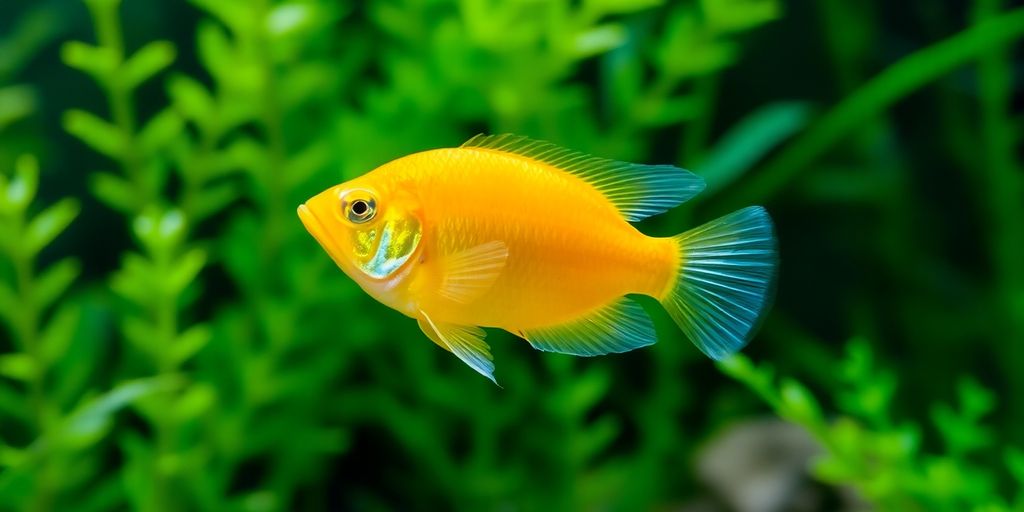
The Honey Gourami, also known as Trichogaster chuna, is a small and colorful fish that can grow up to 2 inches long. They are known for their peaceful nature and vibrant colors, making them a great addition to community tanks. Here are some important care tips:
Care Requirements
- Tank Size: Minimum of 10 gallons.
- Water Temperature: Keep between 72° to 82° Fahrenheit.
- Water Hardness: Should be maintained between 4-12° dGH.
- Flow: Ensure the water flow is gentle, as these fish prefer slow-moving waters.
Diet
Honey Gouramis are omnivores and enjoy a varied diet. Here are some food options:
- Flake foods
- Frozen bloodworms
- Brine shrimp
- Algae-based foods
Compatibility
These fish are generally peaceful but can become territorial during spawning. They do well with other small, non-aggressive fish. Avoid keeping them with larger or aggressive species.
Additional Tips
- Use Aquarium Heaters to maintain the right temperature.
- Consider adding Terrarium Accessories like floating plants for hiding spots.
Keeping Honey Gouramis in a well-planted tank with plenty of hiding spots will help them thrive and feel secure. Regular water changes and monitoring water quality are essential for their health.
17. Boeseman’s Rainbowfish
The Boeseman’s Rainbowfish is a stunning addition to any aquarium. These fish can grow up to 4 inches and live for about 5 to 8 years. They thrive in a minimum tank size of 30 gallons, with water temperatures ranging from 72° to 77° Fahrenheit. Their care level is considered easy, making them perfect for beginners.
Key Features:
- Colorful Appearance: Their vibrant colors shine best in a well-planted tank with a dark substrate.
- Peaceful Nature: They are friendly and can coexist well in community tanks.
- Diet: They are omnivores and enjoy a variety of foods, including tropical flakes and live or frozen meaty foods.
Care Tips:
- Tank Setup: Provide plenty of swimming space and hiding spots with plants and rocks.
- Feeding: Ensure a balanced diet with high-quality food to keep them healthy. Watch their diet to prevent diseases.
- Water Quality: Regularly check and maintain water quality to keep your fish happy.
Remember, a well-maintained tank leads to healthier fish. Regular care and attention will ensure your Boeseman’s Rainbowfish thrive in their environment!
18. Red Wagtail Platy
The Red Wagtail Platy is a vibrant and lively fish that is perfect for beginners. These fish can grow up to 2 inches and typically live for about 3 years. They thrive in a minimum tank size of 10 gallons and prefer water temperatures between 64° and 77° Fahrenheit.
Key Features:
- Size: Up to 2 inches
- Lifespan: Up to 3 years
- Tank Size: Minimum 10 gallons
- Water Temperature: 64° to 77° Fahrenheit
- Care Level: Easy
Care Tips:
- Feeding: Red Wagtail Platies are omnivores. They enjoy a diet of flake foods, algae, and live or frozen foods like brine shrimp and bloodworms.
- Tank Setup: Provide plenty of plants and hiding spots to make them feel secure. They do well in community tanks with other peaceful fish.
- Breeding: These fish breed easily, so be prepared for baby fish if you have both males and females.
Remember, maintaining a stable environment is crucial for the health of your fish. Regular water changes and monitoring water quality will help keep your Platies happy and vibrant.
The Red Wagtail Platy is not only a beautiful addition to any aquarium but also a great choice for those new to fishkeeping. With the right care, they can thrive and bring joy to your aquatic setup. Don’t forget to check out Polyplab for quality aquarium products to support your fish’s health!
19. Boraras Brigittae
Boraras Brigittae, also known as the chili rasbora, is a small and colorful fish that can brighten up any aquarium. These fish thrive in schools of eight to ten, making them perfect for community tanks with other small species. They prefer a well-planted environment with plenty of hiding spots, as well as open areas for swimming.
Key Characteristics
| Feature | Details |
|---|---|
| Maximum Size | 2 inches |
| Life Expectancy | Up to 3 years |
| Minimum Tank Requirement | 10 gallons |
| Water Temperature | 72° to 77° Fahrenheit |
| Care Level | Easy |
Care Tips
- Lighting: A dense jungle of plants is important to help reduce light entering the tank; these fish will color up most brightly in lower light settings.
- Diet: Feed them a good quality diet of tropical flake food, freeze-dried, and frozen proteins like bloodworms and brine shrimp.
- Tank Setup: Ensure the tank has both plants and open swimming areas to keep them happy.
Remember, Boraras Brigittae are peaceful and do well in community tanks. They are a great choice for beginners looking to create a vibrant aquarium with screen terrariums or glass terrariums for showcasing their beauty!
20. Glass Catfish
Glass Catfish, also known as Kryptopterus vitreolus, are fascinating creatures that can add a unique touch to your aquarium. These fish are completely transparent, allowing you to see their internal organs and skeleton, which makes them a real conversation starter!
Key Characteristics
- Maximum Size: 4 inches
- Life Expectancy: Up to 8 years
- Minimum Tank Requirement: 30 gallons
- Water Temperature: 75° to 80° Fahrenheit
- Care Level: Moderate
Care Tips
- Schooling Fish: Glass Catfish are social and should be kept in groups of at least five. Keeping them alone can lead to stress and health issues.
- Tank Setup: Provide plenty of hiding spots with plants and caves. They prefer low-light conditions and are most active during dawn and dusk.
- Diet: They are omnivores and enjoy a diet of tropical flakes, frozen foods, and occasional freeze-dried treats like bloodworms.
| Feature | Details |
|---|---|
| Maximum Size | 4 inches |
| Life Expectancy | Up to 8 years |
| Minimum Tank Size | 30 gallons |
| Preferred Temperature | 75° to 80° Fahrenheit |
| Care Level | Moderate |
Glass Catfish thrive in a well-planted tank with gentle filtration. This helps maintain a peaceful environment for them to flourish.
21. Cyrtocara Moorii
Cyrtocara Moorii, also known as the Blue Dolphin Cichlid, is a stunning fish that can grow up to 9.8 inches long and live for about 8 years. These fish thrive in a minimum tank size of 75 gallons and prefer water temperatures between 73° to 82° Fahrenheit. They are considered to have an intermediate care level due to their specific needs.
Key Characteristics
- Diet: Omnivorous, enjoying tropical flakes, frozen foods, and treats like tubifex and bloodworms.
- Behavior: Semi-aggressive and best kept with similar-sized cichlids.
- Water Conditions: Requires hard, alkaline water and efficient filtration.
Care Tips
- Tank Setup: Ensure a spacious tank with plenty of swimming space and hiding spots.
- Feeding: Offer a varied diet including live foods, frozen items, and fresh prawns.
- Maintenance: Regular water changes and monitoring of water quality are essential.
| Feature | Details |
|---|---|
| Maximum Size | 9.8 inches |
| Life Expectancy | Up to 8 years |
| Minimum Tank Size | 75 gallons |
| Water Temperature | 73° to 82° Fahrenheit |
| Care Level | Intermediate |
Keeping Cyrtocara Moorii can be rewarding, but they require careful attention to their environment and diet. Consider using Terrarium Starter Kits to help set up their habitat effectively.
22. Flowerhorn Cichlid
The Flowerhorn Cichlid is a striking fish known for its vibrant colors and unique head shape. These fish can grow up to 10 inches long and live for about 12 years, making them a long-term commitment for aquarium enthusiasts.
Care Requirements
- Tank Size: A minimum of 50 gallons is recommended to provide ample space for swimming and hiding.
- Water Conditions: They thrive in water with a pH between 7.5 to 8.0, preferring more alkaline environments.
- Temperature: Maintain a water temperature between 72°F to 80°F.
Feeding
Flowerhorns are omnivores and enjoy a varied diet. Here are some food options:
- Cichlid pellets
- Flake foods
- Frozen bloodworms
- Ocean plankton
- Tubifex worms
Behavior and Compatibility
- Flowerhorns are known to be aggressive and territorial. They are not suitable for community tanks with smaller or more peaceful fish.
- It’s best to keep them with other robust cichlids or in a species-only tank.
Tank Setup
- Substrate: Use sandy substrate to allow them to dig without injury.
- Decor: Keep decorations minimal as they may rearrange or damage elaborate setups. Provide hiding spots with rocks or caves.
Remember, these fish can be quite destructive, so securing any live plants in pots is essential to protect their roots from digging.
Summary
The Flowerhorn Cichlid is a beautiful yet challenging fish to keep. With the right care and environment, they can be a stunning addition to your aquarium. Don’t forget to stock up on spare parts for your tank equipment to ensure everything runs smoothly!
23. Black Molly
The Black Molly is a popular choice for many aquarium enthusiasts. This fish can grow up to 3 inches and typically lives for about 3 to 4 years. They thrive in a minimum tank size of 30 gallons and prefer water temperatures between 68° to 82° Fahrenheit.
Key Features:
- Color: All-black variant of the Molly fish.
- Habitat: They can adapt to both freshwater and brackish environments.
- Behavior: Peaceful and community-friendly, making them great tank mates.
Care Tips:
- Water Quality: Regular water changes and good filtration are essential for keeping your Molly healthy. Seachem products can help maintain optimal water conditions.
- Diet: Feed them a varied diet including flakes, freeze-dried bloodworms, and frozen brine shrimp.
- Tank Setup: Provide plenty of plants and hiding spots to create a comfortable environment.
| Feature | Details |
|---|---|
| Maximum Size | 3 inches |
| Life Expectancy | 3 to 4 years |
| Minimum Tank Size | 30 gallons |
| Water Temperature | 68° to 82° Fahrenheit |
| Care Level | Intermediate |
Keeping your Black Molly in a well-maintained tank will ensure they thrive and bring joy to your aquarium. Regular monitoring of water quality is crucial for their health.
24. Celestial Pearl Danio
The Celestial Pearl Danio is a small, colorful fish that can bring life to your aquarium. They grow to about 2 inches and can live for 3 to 5 years. These fish thrive in a minimum tank size of 10 gallons, with a water temperature between 73° to 77° Fahrenheit.
Care Requirements
- Diet: They are omnivorous and enjoy a mix of flake food, vegetable matter, and frozen foods like bloodworms and brine shrimp.
- Tank Setup: Provide plenty of swimming space and dense plants for hiding. They prefer a peaceful community with other small fish.
- Breeding: These fish are prolific breeders. To encourage spawning, use a shallow breeding tank with coarse gravel and feed them live foods.
Compatibility
Celestial Pearl Danios are peaceful and should be kept with other small, non-aggressive fish. Avoid larger fish that might see them as prey. They can be stressed easily, so ensure they have plenty of hiding spots.
Maintenance Tips
- Daily: Check the filter and water temperature.
- Weekly: Test water quality and perform a 10-25% water change.
- Monthly: Clean the tank and check for any equipment issues.
Remember, a well-maintained tank is crucial for the health of your fish. Regular checks and proper care will keep your Celestial Pearl Danios happy and vibrant!
For those interested in setting up a thriving aquatic environment, don’t forget to explore various Reptile Products that can enhance your aquarium setup!
25. Checkerboard Discus and more
The Checkerboard Discus is a stunning addition to any aquarium. These fish can grow up to 10 inches and live for about 3 to 5 years. They thrive in a minimum tank size of 55 gallons, with water temperatures ranging from 79° to 86° Fahrenheit. Regular water changes are crucial for their health, as they are sensitive to water quality.
Key Features:
- Diet: Omnivorous, enjoying flake food, frozen foods, and vegetable matter.
- Habitat: Prefer shady areas with dense cover and subdued lighting.
- Care Level: Intermediate, requiring a well-maintained filtration system.
Care Tips:
- Maintain a warm, acidic, and soft water environment.
- Regularly check water quality to ensure a healthy habitat.
- Consider using products from Exo-Terra for optimal tank conditions.
Keeping your Checkerboard Discus in a well-maintained tank will help them thrive and display their beautiful colors.
Compatibility:
- Best kept in a same-species setup or with compatible tank mates like small tetras or angelfish.
- If breeding, use a separate tank as they can become territorial during this time.
Summary Table:
| Feature | Details |
|---|---|
| Maximum Size | 10 inches |
| Life Expectancy | 3 to 5 years |
| Minimum Tank Size | 55 gallons |
| Water Temperature | 79° to 86° Fahrenheit |
| Care Level | Intermediate |
Discover the beauty of the Checkerboard Discus and other amazing fish! Visit our website to explore a wide range of aquatic products that can enhance your aquarium experience. Don’t miss out on our special offers and expert advice!
Final Thoughts on Choosing Freshwater Fish
In summary, picking the right freshwater fish for your aquarium can be a fun adventure. Remember to think about the needs of the fish you want and how they will fit into your tank. It’s important to create a healthy environment for them to thrive. Regularly check the water quality, feed them the right food, and keep their space clean. By following these tips, you can enjoy a beautiful aquarium filled with happy, healthy fish. So take your time, do your research, and choose fish that you will love to watch!
Frequently Asked Questions
What is the best fish for beginners in an aquarium?
For beginners, GloFish Danios and Neon Tetras are great choices. They are easy to care for and colorful.
How often should I feed my fish?
Feed your fish twice a day with small amounts of food they can eat in a few minutes.
What size aquarium do I need for my fish?
A 10-gallon tank is a good start for small fish. Larger tanks are better for more fish.
How do I keep my aquarium water clean?
Use a good filter, do regular water changes, and avoid overfeeding your fish.
Can I keep different types of fish together?
Yes, but make sure they are compatible. Some fish can be aggressive towards others.
What temperature should my aquarium water be?
Most tropical fish like water between 74°F and 80°F. Use a heater to maintain this.
How do I know if my fish are healthy?
Healthy fish are active, have bright colors, and eat well. Look for signs like unusual swimming or not eating.
What should I do if my fish get sick?
Isolate sick fish if possible and check water quality. You may need to treat them with medication.