Setting up a successful aquarium requires the right supplies to ensure a healthy environment for your fish. This article covers essential items every aquarist should consider, from water quality testing to maintaining the right temperature and providing nutritious food. Whether you’re a beginner or a seasoned enthusiast, these supplies will help you create a thriving aquatic habitat.
Key Takeaways
- Regular water testing is vital for fish health.
- Choosing the right filter can improve water quality significantly.
- Maintaining the right temperature is crucial for fish survival.
- Quality fish food supports growth and enhances color.
- Proper lighting makes your aquarium more appealing and supports plant growth.
Aquarium Test Strips for Optimal Water Quality
Importance of Regular Testing
Regular testing of your aquarium water is crucial for maintaining a healthy environment for your fish. Monitoring water quality helps prevent stress and illness in your aquatic pets. By using test strips, you can quickly check for harmful chemicals and ensure your fish thrive.
Types of Test Strips Available
There are various types of test strips available, including:
- 5-in-1 Test Strips: Measures pH, nitrite, nitrate, hardness, and alkalinity.
- 9-in-1 Test Strips: Covers additional parameters like iron and copper.
- Specialty Test Strips: Designed for specific needs, such as phosphate testing.
| Type of Test Strip | Parameters Tested | Best For |
|---|---|---|
| 5-in-1 | pH, Nitrite, Nitrate, Hardness, Alkalinity | General Use |
| 9-in-1 | All 5 plus Iron, Copper, Chlorine | Comprehensive Testing |
| Specialty | Phosphate, Ammonia | Specific Needs |
How to Use Test Strips Effectively
Using test strips is simple:
- Dip the strip into the aquarium water for a few seconds.
- Remove and shake off excess water.
- Wait for the colors to develop as per the instructions.
- Compare the colors to the chart provided with the strips to determine water quality.
Regular testing is essential for all aquarists. It helps maintain a balanced ecosystem and keeps your fish healthy.
Incorporating test strips into your routine will ensure that your aquarium remains a safe haven for your fish. Remember, all products should be used according to the manufacturer’s instructions for the best results.
Choosing the Right Aquarium Filters and Pumps
When setting up an aquarium, selecting the right filters and pumps is crucial for maintaining a healthy environment for your fish. Good filtration keeps the water clean and clear, which is essential for fish health. Here’s a breakdown of the different types of filters and pumps available:
External Filters for Large Tanks
- High capacity: Ideal for larger tanks, these filters sit outside the aquarium.
- Powerful filtration: They provide excellent mechanical, biological, and chemical filtration.
- Easy maintenance: Most models allow for easy access to filter media.
Hang-On-Back Filters for Convenience
- Space-saving: These filters hang on the back of the tank, saving space inside.
- User-friendly: They are easy to install and maintain, making them great for beginners.
- Affordable options: Many budget-friendly models are available.
Internal Filters for Compact Spaces
- Compact design: Perfect for smaller tanks or aquariums with limited space.
- Multi-functional: Some models also serve as water pumps.
- Quiet operation: Generally quieter than external filters, making them suitable for home use.
| Filter Type | Best For | Key Features |
|---|---|---|
| External Filters | Large Tanks | High capacity, powerful filtration |
| Hang-On-Back Filters | Small to Medium Tanks | Space-saving, user-friendly |
| Internal Filters | Small Tanks | Compact, quiet operation |
Remember, the right choice of aquarium pumps and filters can significantly impact the health of your aquatic life. Regular maintenance and monitoring are key to a thriving aquarium!
Essential Aquarium Heaters for Temperature Control
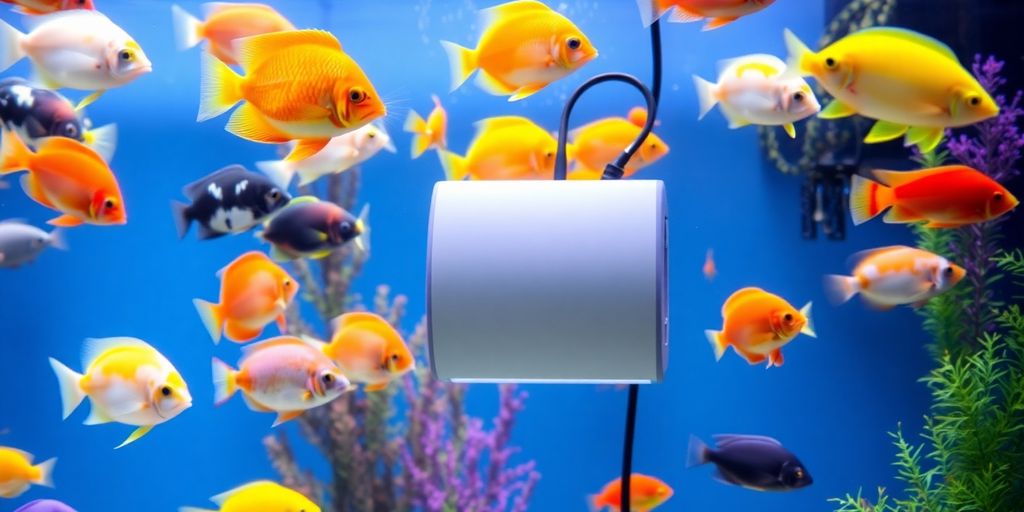
Maintaining the right temperature in your aquarium is crucial for the health of your fish. Aquarium heaters help ensure that your aquatic environment stays warm and stable. Here are some key types of heaters:
Glass Heaters for Durability
- Durable Material: Glass heaters are known for their strength and longevity.
- Temperature Range: They typically allow for precise temperature settings, often adjustable from 68°F to 88°F.
- Example: The Aqueon Adjustable Aquarium Heater offers a precise temperature setting adjustable to 1°F, making it suitable for tanks up to 20 gallons.
Plastic Heaters for Safety
- Safety Features: Plastic heaters are often shatterproof, making them safer for smaller tanks.
- Ideal for Small Tanks: They are perfect for desktop aquariums, usually up to 5 gallons.
- Example: The PULACO 25W Small Aquarium Heater is designed for tanks under 6 gallons and has a preset temperature of 78°F.
In-Line Heaters for Efficiency
- Space-Saving Design: In-line heaters are installed in the filtration system, saving space in the tank.
- Consistent Heating: They provide consistent heating without taking up room in the aquarium.
- Example: The Hygger 100W Titanium Aquarium Heater is suitable for both saltwater and freshwater tanks, featuring a digital thermostat for easy monitoring.
Tip: Always monitor the temperature regularly to ensure your fish are comfortable and healthy.
Choosing the right heater is essential for maintaining a thriving aquarium. Make sure to consider the size of your tank and the specific needs of your fish when selecting an aquarium heater.
Nutritious Fish Food for a Healthy Aquarium
Freshwater Fish Food Options
Feeding your fish a balanced diet is crucial for their health. High-quality fish food can enhance their colors and overall well-being. Here are some popular options:
- Omega One Freshwater Flakes: Made with fresh seafood, these flakes are rich in Omega-6 fatty acids, promoting strong immune systems.
- Tetra Goldfish Flakes: A scientifically developed blend that includes essential vitamins and minerals for a balanced diet.
- Freeze-Dried Foods: Convenient and nutritious, these options are great for occasional treats.
Specialty Foods for Color Enhancement
To make your fish’s colors pop, consider these specialty foods:
- Omega One Super Color Flakes: These are designed to enhance the vibrant colors of your fish.
- Spirulina-based foods: Rich in nutrients, they support color and health.
- Color-enhancing pellets: These are formulated to boost the natural hues of your fish.
Freeze-Dried Foods for Convenience
Freeze-dried foods are an easy way to provide nutrition without the hassle. They are:
- Easy to store and have a long shelf life.
- Packed with nutrients and can be a great addition to your fish’s diet.
- Available in various forms, such as bloodworms and brine shrimp.
Remember, a varied diet is key to keeping your fish healthy and happy!
Aquarium Lighting for a Vibrant Display
LED Lights for Energy Efficiency
Aquarium lights are essential for creating a beautiful and healthy environment for your fish and plants. LED lights are popular because they are energy-efficient and last a long time. They provide bright light that helps plants grow and enhances the colors of your fish. Here are some benefits of using LED lights:
- Energy-efficient: Use less electricity than traditional bulbs.
- Long-lasting: Can last for years without needing replacement.
- Variety of colors: Available in different colors to suit your aquarium’s needs.
Reef Lights for Marine Tanks
For marine tanks, special reef lights are necessary. These lights mimic natural sunlight, which is crucial for coral growth. Kessil is a well-known brand that offers high-quality reef lights. They provide:
- Full spectrum light: Supports coral health and growth.
- Adjustable intensity: Allows you to customize the light for your tank.
- Compact design: Fits easily in various tank setups.
Plant Lights for Aquascaping
If you have live plants in your aquarium, using plant lights is important. These lights help plants photosynthesize, which keeps them healthy. Here are some tips for choosing plant lights:
- Choose the right spectrum: Look for lights that provide a full spectrum for optimal growth.
- Consider the wattage: Higher wattage means brighter light, which is better for plant growth.
- Check the height: Ensure the light can reach all areas of your tank.
Proper lighting is crucial for both fish and plant health. It not only enhances the beauty of your aquarium but also supports a thriving aquatic ecosystem.
In summary, selecting the right aquarium lights, such as LED, reef, and plant lights, is essential for creating a vibrant display in your tank. With options like Kessil, you can find the perfect lighting solution for your aquatic environment.
Aquarium Filter Media for Clean Water
Maintaining clean water in your aquarium is essential for the health of your fish. Using the right aquarium filter media can significantly improve water quality. Here’s a breakdown of the different types of filter media you should consider:
Biological Media for Beneficial Bacteria
- Purpose: Provides a surface for beneficial bacteria to grow, which helps break down harmful ammonia and nitrites.
- Examples: Ceramic rings, bio-balls, and sponge media.
- Brands: Look for trusted brands like Aqueon and Fluval.
Chemical Media for Toxin Removal
- Purpose: Removes harmful substances like chlorine, ammonia, and heavy metals from the water.
- Examples: Activated carbon, zeolite, and resins.
- Brands: Aqueon and Seachem offer effective options.
Mechanical Media for Debris Filtration
- Purpose: Captures larger particles and debris to keep the water clear.
- Examples: Foam pads, filter floss, and mesh bags.
- Brands: Consider products from Aquael and Fluval.
| Type of Media | Purpose | Examples | Recommended Brands |
|---|---|---|---|
| Biological Media | Beneficial bacteria growth | Ceramic rings, bio-balls | Aqueon, Fluval |
| Chemical Media | Toxin removal | Activated carbon, zeolite | Aqueon, Seachem |
| Mechanical Media | Debris filtration | Foam pads, filter floss | Aquael, Fluval |
Regularly changing your filter media is crucial for maintaining a healthy aquarium environment. It’s recommended to replace them based on the manufacturer’s guidelines or when you notice a decline in water quality.
By understanding the different types of aquarium filter media, you can ensure your fish thrive in a clean and safe environment. Always choose high-quality brands to get the best results!
Complete Aquarium Kits for Beginners
Setting up an aquarium can be exciting, especially for beginners. Complete aquarium kits make this process easier by providing everything you need in one package. Here’s what you should know:
Starter Kits with Essential Supplies
- All-in-One Packages: These kits usually include a tank, filter, heater, and lighting.
- User-Friendly: Designed for beginners, they often come with easy-to-follow instructions.
- Cost-Effective: Buying a complete kit can save you money compared to purchasing items separately.
Advanced Kits for Enthusiasts
- Larger Tanks: Advanced kits often feature larger tanks for more fish.
- Specialized Equipment: They may include advanced filtration systems and lighting options for specific types of fish.
- Customization: These kits allow for more customization to suit your preferences.
Choosing the Right Kit for Your Needs
- Tank Size: Consider how much space you have and the type of fish you want.
- Budget: Determine how much you’re willing to spend. Kits can range from budget-friendly to high-end.
- Fish Type: Some kits are better suited for freshwater fish, while others are designed for saltwater setups.
Remember, starting with a complete aquarium kit can help you create a thriving environment for your fish while making the setup process much simpler.
| Kit Type | Features | Price Range |
|---|---|---|
| Starter Kit | Basic supplies for beginners | $50 – $150 |
| Advanced Kit | Larger tanks and specialized equipment | $150 – $500 |
| Custom Kit | Tailored to specific needs | $200+ |
Aquarium Accessories for Maintenance and Decoration
Aquarium accessories are essential for keeping your fish tank clean and beautiful. These tools help maintain a healthy environment for your aquatic friends. Here are some must-have accessories:
Nets and Scrapers for Cleaning
- Fish Nets: Perfect for catching fish or removing debris.
- Algae Scrapers: Keep your tank glass clear and free from algae buildup.
- Siphons: Great for cleaning the substrate and performing water changes.
Decorative Items for Aesthetic Appeal
- Aquatic Plants: Live or artificial plants enhance the look of your aquarium.
- Ornaments: Choose from various designs like castles, rocks, or driftwood.
- Backgrounds: Add depth and color to your tank with a vibrant background.
Thermometers and Timers for Monitoring
- Digital Thermometers: Ensure your tank is at the right temperature for your fish.
- Timers: Automate your lighting schedule for a consistent day/night cycle.
| Accessory Type | Purpose |
|---|---|
| Fish Nets | Catching fish and debris |
| Algae Scrapers | Cleaning tank glass |
| Siphons | Water changes and substrate cleaning |
| Aquatic Plants | Aesthetic appeal and fish habitat |
| Ornaments | Decorative elements for the aquarium |
| Digital Thermometers | Monitoring water temperature |
| Timers | Automating lighting schedules |
Remember, using a multi-functional storage solution like the amawarm fish tank accessories organizer can help keep your tools organized and easily accessible.
For those starting out, consider Terrarium Starter Kits that include many of these essential items. They provide a great way to set up your aquarium with everything you need right from the start!
Protein Skimmers and Wave Makers for Marine Tanks
Protein Skimmers for Water Quality
Protein skimmers are essential for maintaining clean water in marine tanks. They work by removing organic waste before it breaks down into harmful substances. Using a protein skimmer can significantly improve water quality, which is crucial for the health of your fish and other aquatic life. For example, the Bubble Magus MiniQ is a compact and efficient skimmer designed for small-sized marine aquariums, making it a great choice for hobbyists with limited space.
Wave Makers for Natural Water Movement
Wave makers create currents in the aquarium, mimicking natural ocean conditions. This movement is vital for fish health and helps distribute nutrients and oxygen throughout the tank. Here are some benefits of using wave makers:
- Improves oxygenation in the water.
- Enhances the natural behavior of fish.
- Prevents dead spots where debris can accumulate.
Combining Skimmers and Wave Makers
For optimal results, consider using both protein skimmers and wave makers together. This combination ensures that your marine tank remains clean and that your fish thrive in a healthy environment. The JBJ Protein Skimmer, which can handle tanks up to 45 gallons, uses a needle wheel impeller to create micro-bubbles that effectively remove toxins from the water.
Maintaining a balanced aquarium environment is key to a successful marine tank. Regularly check your water parameters and adjust your equipment as needed to keep your fish happy and healthy.
In summary, investing in quality protein skimmers and wave makers is essential for any marine aquarium. They not only help maintain water quality but also create a more natural habitat for your fish, enhancing their overall well-being. Don’t forget to provide your fish with nutritious fish food to support their health and vitality!
Aquarium Cabinets and Stands for Stability

When setting up an aquarium, choosing the right cabinet or stand is crucial for stability and safety. A sturdy base not only supports the weight of the tank but also enhances the overall look of your aquarium setup.
Choosing the Right Cabinet
- Material: Look for cabinets made from durable materials like wood or metal. These provide better support compared to plastic options.
- Size: Ensure the cabinet fits the dimensions of your aquarium. It should be wide enough to accommodate the tank and any additional equipment.
- Design: Choose a design that complements your home decor. Some cabinets come with shelves for storage, which can be very useful.
Stands for Different Tank Sizes
- Small Tanks (up to 20 gallons): Lightweight stands are ideal. They can be made from metal or sturdy plastic.
- Medium Tanks (20-50 gallons): Look for stands that can support heavier weights. Wood or reinforced metal is recommended.
- Large Tanks (over 50 gallons): Heavy-duty stands are necessary. These should be made from solid wood or metal to ensure safety.
DIY vs. Pre-Made Options
- DIY: Building your own stand can be cost-effective and allows for customization. However, ensure it meets safety standards.
- Pre-Made: These are convenient and often come with warranties. They are designed specifically for aquarium use, ensuring safety and stability.
Remember, a well-chosen cabinet or stand not only supports your aquarium but also adds to the beauty of your aquatic environment. Whether you have a glass terrarium or a screen terrarium, the right support is essential for a thriving aquatic habitat.
Spare Parts and Replacement Items
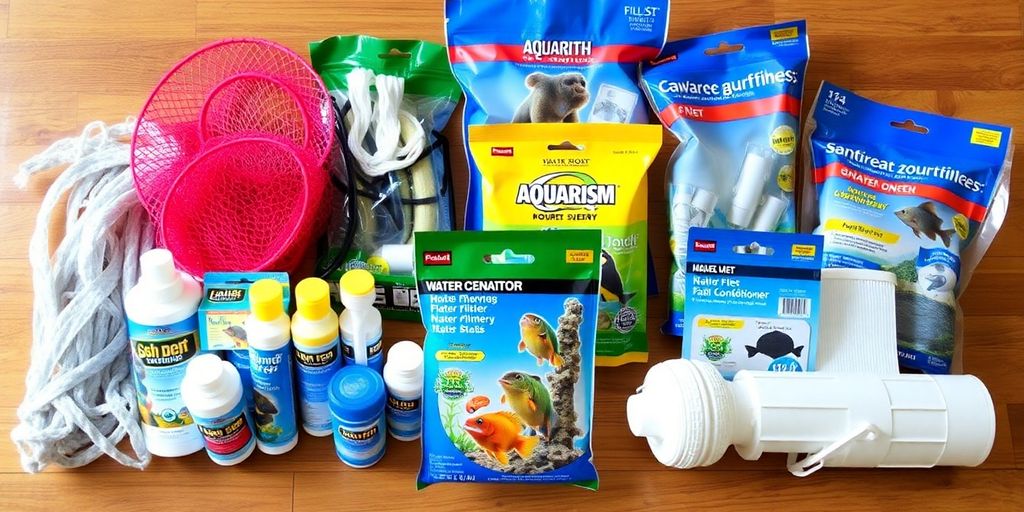
Keeping your aquarium running smoothly requires having the right spare parts and replacement items on hand. These essentials can save you time and stress when something goes wrong. Here are some key items every aquarist should consider:
Replacement Filter Cartridges
- Ensure your filter operates efficiently.
- Replace every 4-6 weeks for optimal performance.
- Choose cartridges that fit your specific filter model.
Spare Heaters and Pumps
- Always have a backup heater to maintain temperature.
- Pumps should be checked regularly; keep a spare for emergencies.
- Look for energy-efficient models to save on electricity.
Emergency Repair Kits
- Kits should include sealant, tubing, and tools.
- Useful for quick fixes to leaks or equipment failures.
- Check contents regularly to ensure everything is usable.
Having spare parts ready can prevent major issues and keep your fish healthy. Regular maintenance and quick repairs are key to a thriving aquarium.
| Item Type | Recommended Frequency | Notes |
|---|---|---|
| Replacement Filter Cartridges | Every 4-6 weeks | Match with your filter model |
| Spare Heaters | As needed | Keep a backup for emergencies |
| Emergency Repair Kits | As needed | Check contents regularly |
Aquarium Plants and Substrates
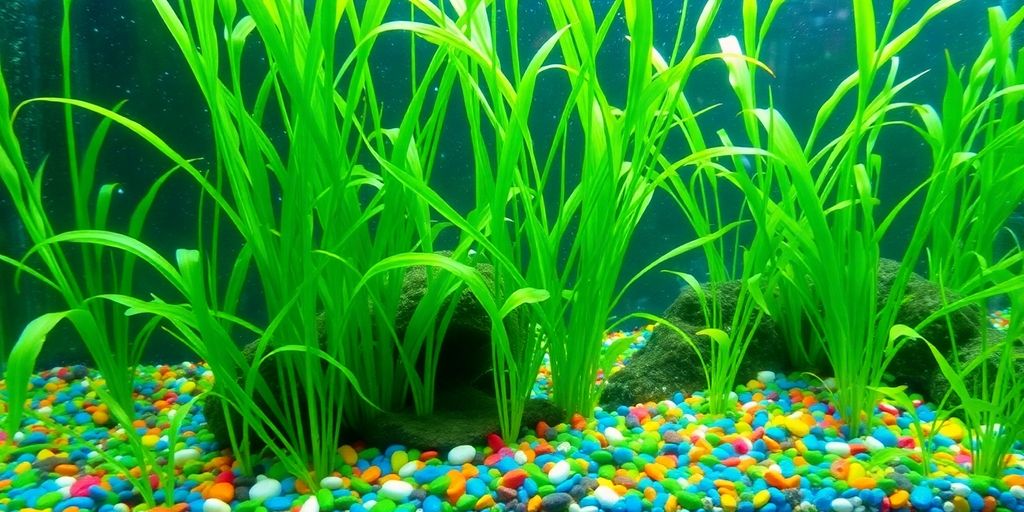
Live Plants for Natural Filtration
Adding live plants to your aquarium is a great way to create a natural environment. They help filter the water and provide oxygen for your fish. Here are some popular options:
- Java Fern: Easy to care for and grows well in low light.
- Anubias: Hardy and can thrive in various conditions.
- Amazon Sword: Great for larger tanks and provides hiding spots.
Artificial Plants for Easy Maintenance
If you prefer low-maintenance options, artificial plants are a good choice. They don’t require light or special care. Here are some benefits:
- No need for fertilizers: They won’t decompose and pollute the water.
- Variety of styles: Available in many colors and shapes to match your decor.
- Safe for fish: Made from non-toxic materials.
Choosing the Right Substrate
The substrate you choose can affect your plants and fish. Here are some common types:
- Gravel: Good for most fish and easy to clean.
- Sand: Ideal for bottom-dwelling fish and plants that need rooting.
- Soil substrates: Great for planted tanks, providing nutrients for plants.
Remember: Choosing the right plants and substrate is essential for a healthy aquarium. It can make a big difference in the well-being of your fish and the overall look of your tank. Consider brands like AQUAEL for quality products that support your aquatic environment.
Summary Table of Plant Options
| Plant Type | Care Level | Light Requirement | Benefits |
|---|---|---|---|
| Java Fern | Easy | Low | Natural filtration |
| Anubias | Easy | Low to Medium | Hardy and adaptable |
| Amazon Sword | Moderate | Medium to High | Provides hiding spots |
| Artificial Plants | Easy | None | No maintenance needed |
When setting up your aquarium, choosing the right plants and substrates is key to creating a healthy environment for your fish. Plants not only beautify your tank but also help keep the water clean. Make sure to pick the right substrate to support your plants’ growth. For more tips and to explore our wide range of aquatic products, visit our website today!
Final Thoughts on Aquarium Supplies
In conclusion, having the right supplies is key for a successful aquarium. From filters and heaters to food and lighting, each item plays a big role in keeping your fish happy and healthy. Regular testing of water quality is also important to prevent problems. By investing in these essential supplies, you create a safe and enjoyable home for your aquatic friends. Remember, a well-maintained aquarium not only looks great but also supports the well-being of your fish.
Frequently Asked Questions
What are aquarium test strips and why are they important?
Aquarium test strips help you check the water quality in your fish tank. They are important because they let you know if the water is safe for your fish.
How often should I test my aquarium water?
You should test your aquarium water regularly. For new tanks, test every couple of days. For older tanks, once a week is good.
What type of filter is best for my aquarium?
The best filter depends on your tank size. External filters are great for big tanks, while hang-on-back filters are easy to use for smaller ones.
Do I need a heater for my aquarium?
Yes, if you have tropical fish, a heater is necessary to keep the water warm. Choose a heater that fits your tank size.
What kind of food should I give my fish?
You should feed your fish food that is right for their type. Freshwater fish often eat flakes, while some need special food for color.
How important is aquarium lighting?
Lighting is very important. It helps plants grow and makes your tank look beautiful. LED lights are a good choice because they save energy.
What should I do if my fish get sick?
If your fish are sick, check the water quality first. You might need to change the water or add medicine. Always keep an eye on them.
What are the best decorations for my aquarium?
You can use plants, rocks, or other decorations. Just make sure they are safe for fish and won’t harm them.