Setting up a freshwater aquarium can be an exciting adventure, but it also requires careful planning and ongoing care. This guide will help you understand the essential steps to create a healthy and vibrant environment for your fish. From choosing the right species to maintaining water quality, we will cover everything you need to know to ensure your aquarium thrives.
Key Takeaways
- Choose fish that are compatible with each other to create a peaceful aquarium.
- Regularly test your water to keep it clean and safe for your fish.
- Feed your fish a balanced diet and follow a consistent feeding schedule.
- Maintain your aquarium equipment to ensure everything runs smoothly.
- Keep an eye on your fish’s health and act quickly if you notice any signs of illness.
Choosing the Right Freshwater Fish for Your Aquarium
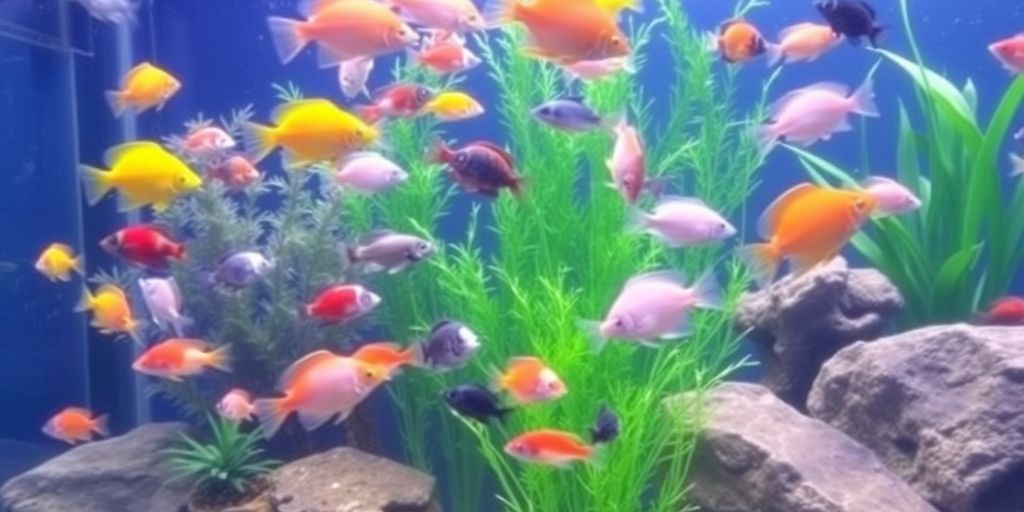
Selecting the right fish for your aquarium is essential for creating a healthy and vibrant environment. Understanding the needs of different species will help you make informed choices that lead to a thriving aquatic community.
Popular Freshwater Fish Species
Here are some popular freshwater fish that many aquarists love:
- Betta Fish: Known for their vibrant colors and flowing fins.
- Guppies: Small and lively, they come in various patterns.
- Neon Tetra: Their bright blue and red stripes add a stunning touch to any tank.
- Goldfish: A classic choice, they are hardy and come in many varieties.
- Corydoras Catfish: Great for keeping the tank clean as they scavenge the bottom.
Compatibility and Behavior
When choosing fish, consider their compatibility:
- Community Fish: Such as tetras and guppies, which get along well in groups.
- Aggressive Species: Like cichlids, which may need more space and careful monitoring.
- Peaceful Fish: Such as mollies, which are ideal for community tanks.
Researching Fish Needs
Before adding fish to your aquarium, research their specific needs:
- Water Temperature: Ensure it matches the species’ requirements.
- pH Levels: Different fish thrive in different pH ranges.
- Dietary Needs: Some fish are herbivores, while others are carnivores.
A well-informed choice of fish can lead to a harmonious aquarium, reducing stress and promoting health among your aquatic pets.
By understanding the unique characteristics of each species, you can create a balanced and beautiful aquarium that showcases the best of freshwater life.
Setting Up Your Freshwater Aquarium
Creating a freshwater aquarium can be a fun and rewarding experience. Here’s how to get started:
Tank Selection and Placement
- Choose the right size tank: Larger tanks are generally more stable, while smaller ones can be easier to manage.
- Location matters: Place your tank on a sturdy surface away from direct sunlight to prevent algae growth.
- Consider accessibility: Ensure you can easily reach the tank for maintenance.
Essential Equipment
To set up your aquarium, you will need some basic equipment:
- Filter: Keeps the water clean and healthy.
- Heater: Maintains the right temperature for your fish.
- Lighting: Essential for plant growth and fish visibility.
- Substrate: At a minimum, you’ll need a filter, heater, lighting, and substrate to get started.
| Equipment | Purpose |
|---|---|
| Filter | Cleans the water |
| Heater | Keeps water warm |
| Lighting | Provides light for plants |
| Substrate | Base for plants and decor |
Cycling Your Aquarium
Cycling your aquarium is crucial for establishing a healthy environment:
- Establish beneficial bacteria: This process usually takes 4-6 weeks.
- Monitor water parameters: Regularly check pH, ammonia, nitrite, and nitrate levels.
- Be patient: Allow the tank to cycle before adding fish to ensure their safety.
Remember, setting up an aquarium is a journey. Take your time to learn and enjoy the process!
Maintaining Water Quality in Your Aquarium
Keeping your aquarium water clean and healthy is essential for the well-being of your fish. Here are some key areas to focus on:
Regular Water Testing
- Test your water at least once a month for important parameters like pH, ammonia, nitrite, and nitrate levels. This helps ensure a safe environment for your fish.
- Use reliable test strips to monitor these levels effectively.
Water Changes and Cleaning
- Aim for a water change every one to two weeks, replacing 10% to 25% of the water each time. This routine helps manage toxins and keeps the water fresh.
- Regularly clean the tank surfaces to remove algae and debris, which can affect water quality.
Managing pH and Hardness
- Maintaining a stable pH level is crucial. Regular testing and adjustments can help keep your fish healthy.
- Be aware of the hardness of your water, as different fish species have specific needs.
Regular attention to water quality contributes significantly to the overall health of your aquarium ecosystem, promoting the vitality of your aquatic community.
| Parameter | Ideal Range |
|---|---|
| pH | 6.5 – 7.5 |
| Ammonia | 0 ppm |
| Nitrite | 0 ppm |
| Nitrate | < 20 ppm |
By following these guidelines, you can create a thriving environment for your fish, ensuring they live long and healthy lives.
Feeding Your Freshwater Fish
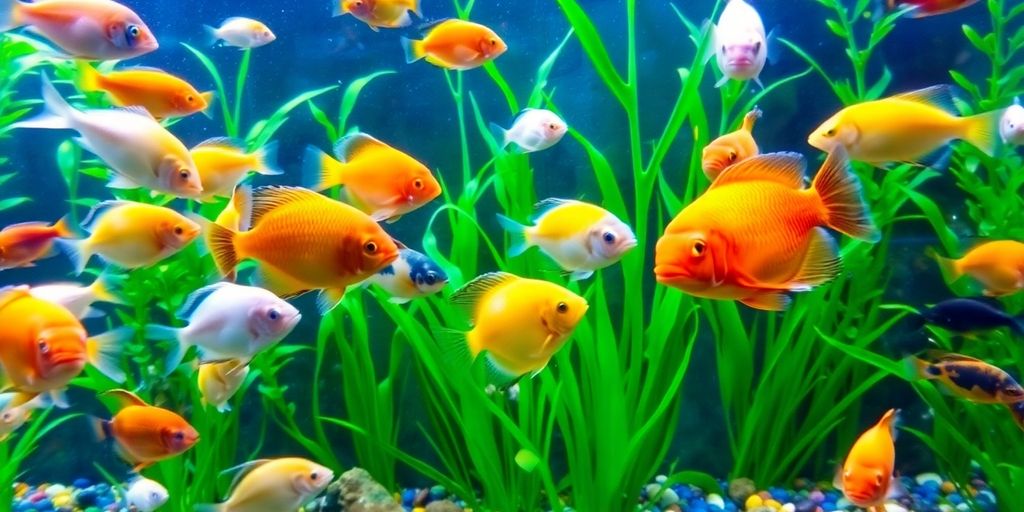
Types of Fish Food
Feeding your fish the right food is essential for their health. Here are some common types of fish food:
- Flakes: Great for most fish, easy to use.
- Pellets: Good for larger fish, provides balanced nutrition.
- Live or Frozen Food: Such as brine shrimp or bloodworms, ideal for carnivorous fish.
- Vegetables: Fresh veggies like peas or spinach for herbivorous fish.
Feeding Schedules
Establishing a feeding schedule is crucial. Here are some tips:
- Feed small amounts 1-2 times a day.
- Observe how much your fish eat to avoid overfeeding.
- Adjust feeding based on the fish species and their needs.
Nutritional Requirements
Different fish have different dietary needs. Here’s a quick guide:
| Fish Type | Diet Type | Example Species |
|---|---|---|
| Carnivorous | High protein | Betta, Cichlids |
| Herbivorous | Plant-based | Goldfish, Tetras |
| Omnivorous | Both | Guppies, Platies |
A balanced diet is key to keeping your fish healthy and vibrant. Regularly check their food intake and adjust as needed to ensure they thrive in your aquarium.
Highlights
- Flakes are easy to use.
- Establishing a feeding schedule is crucial.
- A balanced diet is key to keeping your fish healthy.
Aquarium Filtration Systems
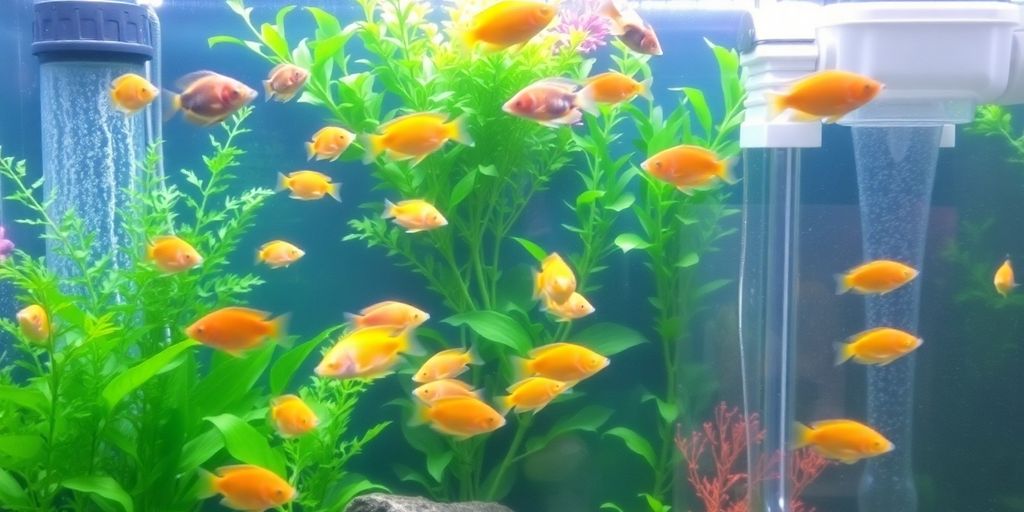
Keeping your aquarium clean and healthy is essential for your fish. A good filtration system is crucial for maintaining water quality. Here’s what you need to know:
Types of Filters
- Mechanical Filters: These remove debris and particles from the water.
- Chemical Filters: These use materials like activated carbon to remove toxins.
- Biological Filters: These support beneficial bacteria that break down waste.
Choosing the Right Filter
When selecting a filter, consider:
- Tank Size: Make sure the filter is suitable for your aquarium’s size.
- Fish Type: Different fish may require different filtration needs.
- Maintenance: Some filters are easier to clean than others.
Maintaining Your Filter
To keep your filter working well:
- Clean it regularly to prevent clogs.
- Replace filter media as needed.
- Check for any leaks or damage.
A well-maintained filter not only keeps the water clear but also helps prevent problems like algae growth and contamination. Regular checks can save you from bigger issues down the line.
By understanding these basics, you can ensure a healthy environment for your aquatic friends!
Aquascaping and Aquarium Décor
Creating a beautiful aquarium is an exciting part of fishkeeping. Aquascaping allows you to design a stunning underwater landscape that not only looks great but also provides a healthy environment for your fish. Here are some key points to consider:
Choosing Substrate and Plants
- Substrate: The base layer of your aquarium can be gravel, sand, or soil. Each type has its benefits:
- Gravel: Good for most fish and easy to clean.
- Sand: Ideal for bottom-dwelling fish.
- Soil: Best for planted tanks, as it provides nutrients.
- Plants: Live plants enhance the beauty of your aquarium and help maintain water quality. Some popular choices include:
- Anubias
- Java Fern
- Vallisneria
Decorative Elements
- Rocks and Driftwood: These can create hiding spots and add natural beauty. Make sure they are safe for your fish.
- Themed Decorations: Consider adding items like sunken ships or ancient ruins for a unique touch.
Creating a Natural Habitat
- Layout: Arrange your plants and decorations to mimic a natural environment. This can help reduce stress for your fish and encourage natural behaviors.
- Safety: Always use non-toxic materials to ensure the safety of your aquatic life. Stability is also crucial; ensure that your decorations are secure to prevent accidents.
A well-designed aquarium not only looks beautiful but also supports the health and happiness of your fish.
By following these tips, you can create a stunning aquascape that enhances your aquarium experience. Remember, the goal is to create a balanced environment that your fish will thrive in!
Monitoring Fish Health
Common Fish Diseases
Keeping your fish healthy is essential for a thriving aquarium. Common diseases include:
- Ich: White spots on fish.
- Fin Rot: Frayed fins and tail.
- Swim Bladder Disease: Difficulty swimming.
Signs of Illness
Watch for these signs to catch problems early:
- Changes in behavior: Fish may hide or swim erratically.
- Loss of appetite: Not eating can indicate stress or illness.
- Physical changes: Look for spots, discoloration, or swelling.
Treatment and Prevention
To keep your fish healthy, follow these steps:
- Regular water testing: Check for ammonia, nitrites, and nitrates.
- Maintain a clean tank: Regular water changes help prevent disease.
- Quarantine new fish: This helps avoid introducing diseases to your main tank.
Keeping a close eye on your fish can help you catch issues before they become serious. Regular monitoring is key to a healthy aquarium!
Breeding Freshwater Fish
Breeding freshwater fish can be a rewarding experience, but it requires careful planning and attention. Understanding the specific needs of your fish species is crucial for successful breeding.
Understanding Spawning
Different fish species have unique spawning behaviors. Here are some common methods:
- Spawning: Many fish lay eggs in a specific area.
- Pair-breeding: Some species form pairs for breeding.
- Egg-tumbler method: This involves using a device to keep eggs safe.
- Hormone-induced breeding: Hormones can trigger spawning in some species.
- Artificial insemination: This is used for certain fish types.
Creating a Breeding Environment
To create a suitable breeding environment, consider the following:
- Water temperature: Adjust to the ideal range for your species.
- pH levels: Ensure the water chemistry matches their natural habitat.
- Nesting materials: Provide plants or structures for laying eggs.
A well-prepared breeding environment increases the chances of successful spawning and healthy fry.
Caring for Fry
Once the eggs hatch, caring for the fry is essential. Here are some tips:
- Gentle water flow: Keep the water calm to protect the fry.
- Secluded areas: Provide hiding spots to keep them safe from adult fish.
- Feeding: Start with small, nutritious foods like infusoria or finely crushed flakes.
By following these guidelines, you can enhance your chances of successfully breeding freshwater fish and enjoying the process!
Advanced Aquarium Care Tips
Handling Aggressive Species
When keeping fish, it’s important to know which species can be aggressive. Here are some tips:
- Research the temperament of each fish before adding them to your tank.
- Separate aggressive fish into their own tank if necessary.
- Monitor interactions closely, especially during feeding times.
Balancing Fish Population
Maintaining a balanced fish population is key to a healthy aquarium. Consider these points:
- Know your tank size: Larger tanks can support more fish.
- Choose compatible species: Some fish get along better than others.
- Avoid overcrowding: Too many fish can lead to stress and poor water quality.
Using Technology for Monitoring
Technology can help you keep your aquarium in top shape. Here are some tools:
- Water testing kits: Regularly check pH, ammonia, and nitrate levels.
- Automated feeders: Ensure your fish are fed consistently, even when you’re away.
- Smart sensors: Monitor water temperature and quality in real-time.
Keeping your aquarium healthy requires attention and care. Regular monitoring and adjustments can prevent many common issues, ensuring a thriving environment for your fish.
Summary
By following these advanced tips, you can create a more stable and enjoyable environment for your fish. Remember, a happy fish is a healthy fish!
Aquarium Lighting
Types of Aquarium Lights
When setting up your aquarium, choosing the right lighting is crucial. Here are some common types of lights:
- LED Lights: Energy-efficient and long-lasting, they provide a full spectrum of light.
- Fluorescent Lights: Popular for freshwater tanks, they are energy-efficient and produce little heat. They are great for plant growth.
- Incandescent Lights: Less common now, they can produce a lot of heat and are not as energy-efficient.
Lighting Schedules
Establishing a proper lighting schedule is essential for your fish and plants. Here’s a simple guide:
- Daylight Cycle: Aim for 10-12 hours of light per day.
- Night Cycle: Ensure complete darkness for 12-14 hours to mimic natural conditions.
- Adjust Seasonally: You may need to adjust based on seasonal changes in natural light.
Impact on Fish and Plants
Proper lighting not only enhances the beauty of your aquarium but also affects the health of its inhabitants. Here are some key points:
- Plant Growth: Adequate light is vital for photosynthesis, helping plants thrive.
- Fish Behavior: Fish are more active during the day; proper lighting can encourage natural behaviors.
- Algae Control: Too much light can lead to algae growth, so balance is key.
Remember, the right lighting can make your aquarium a vibrant and healthy environment for your fish and plants.
Seasonal Care for Your Aquarium
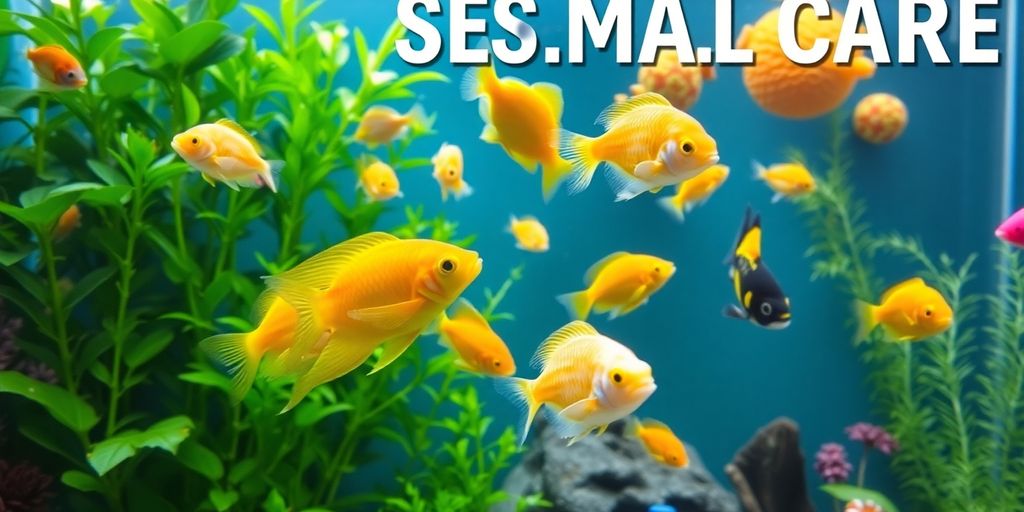
Adjusting for Temperature Changes
As the seasons change, so do the temperatures. It’s crucial to monitor your aquarium’s temperature to ensure your fish remain healthy. Here are some tips:
- Use a reliable thermometer to check the water temperature regularly.
- Adjust heaters or chillers as needed to maintain a stable environment.
- Be cautious of sudden temperature changes, which can stress your fish.
Seasonal Cleaning Routines
Cleaning your aquarium is essential for maintaining a healthy environment. Here’s a simple routine:
- Perform regular water changes (about 10-15% weekly).
- Clean the substrate and decorations to remove waste.
- Check and clean the filter to ensure it’s functioning well.
Special Considerations for Holidays
During holidays, your aquarium may need extra attention. Consider these points:
- Plan for feeding: If you’re away, arrange for someone to feed your fish.
- Monitor water quality closely, especially if you have guests.
- Ensure that your aquarium equipment is functioning properly to avoid any mishaps.
Keeping your aquarium in top shape during seasonal changes is vital for the health of your fish. Regular maintenance and monitoring can prevent many common issues.
| Season | Temperature Range | Cleaning Frequency | Special Notes |
|---|---|---|---|
| Spring | 68-75°F | Weekly | Watch for algae growth |
| Summer | 75-82°F | Bi-weekly | Ensure proper aeration |
| Fall | 68-75°F | Weekly | Prepare for cooler temps |
| Winter | 65-72°F | Weekly | Monitor heater functionality |
Taking care of your aquarium changes with the seasons. As temperatures shift, so do the needs of your fish and plants. Make sure to adjust your tank’s temperature, lighting, and feeding routines to keep your aquatic friends happy and healthy. For more tips and to find the best products for your aquarium, visit our website today!
Final Thoughts on Keeping a Healthy Freshwater Aquarium
In conclusion, maintaining a healthy freshwater aquarium is a rewarding journey that requires attention and care. By regularly checking water quality, feeding your fish a balanced diet, and keeping their environment clean, you can ensure that your aquatic friends thrive. Remember, every fish species has its own needs, so it’s important to learn about them. With the right tools and knowledge, you can create a beautiful and healthy home for your fish. Enjoy the process and the joy that comes from watching your aquarium flourish!
Frequently Asked Questions
What should I consider when choosing freshwater fish for my aquarium?
Look for fish that match your tank’s size, water conditions, and the behavior of other fish in your aquarium. Research each species to ensure they can live happily together.
How do I set up my aquarium for the first time?
Start by selecting a suitable tank size and placing it in a stable location. Add essential equipment like a filter, heater, and light. Then, prepare the substrate and decorations before filling it with water.
What is the importance of cycling an aquarium?
Cycling helps develop beneficial bacteria that break down harmful waste. This process is crucial for keeping your fish healthy and should take about 4-6 weeks.
How often should I change the water in my aquarium?
It’s best to change about 20-30% of the water every 1-2 weeks. This helps remove toxins and keeps the water quality high.
What types of food should I feed my freshwater fish?
You can feed your fish flakes, pellets, live food, or frozen food. Make sure to choose food that meets their specific dietary needs.
How can I tell if my fish are sick?
Watch for signs like unusual swimming patterns, lack of appetite, or visible spots. If you notice any of these, consult a fish care guide or a vet.
What should I do if my fish are aggressive towards each other?
If aggression occurs, consider separating the fish or rearranging the tank decor to reduce territorial disputes.
How can I maintain good water quality in my aquarium?
Regularly test the water parameters, perform water changes, and keep the filter clean. This will help ensure a healthy environment for your fish.