Setting up an aquarium can be both exciting and challenging. To help you get started, this guide covers the essential equipment every aquarium enthusiast should consider. From choosing the right tank to maintaining water quality, understanding these key elements will ensure your fish thrive in a healthy environment.
Key Takeaways
- Select an aquarium size that fits your space and the types of fish you want to keep.
- Invest in a reliable filtration system to maintain clean water and a healthy habitat for your fish.
- Choose the right heater to keep your water temperature stable and suitable for your fish species.
- Proper lighting is essential for both fish and plants, enhancing their growth and visibility.
- Regular water testing is crucial for monitoring quality and making necessary adjustments.
Choosing the Right Aquarium Tank
When it comes to setting up an aquarium, selecting the right tank is crucial. There are several factors to consider, including the type of water, size, and placement of the tank.
Freshwater vs. Saltwater Tanks
- Freshwater Tanks:
- Saltwater Tanks:
Large vs. Small Tanks
- Large Tanks:
- Small Tanks:
Considerations for Tank Placement
- Space: Ensure you have enough room for the tank and its equipment.
- Weight: Consider the weight of the tank when filled with water.
- Accessibility: Place the tank where you can easily maintain it.
Choosing the right aquarium tank is essential for creating a thriving aquatic environment. It sets the foundation for your fish’s health and happiness.
Essential Filtration Systems
Filtration is a key part of keeping your aquarium healthy. Choosing the right filtration system can make a big difference in the water quality and overall health of your fish. Here’s what you need to know:
Types of Aquarium Filters
- Canister Filters: Great for larger tanks, they provide powerful filtration.
- Hang-On-Back Filters: Easy to install and maintain, suitable for smaller tanks.
- Sponge Filters: Ideal for breeding tanks or small aquariums, they are gentle on fish.
| Filter Type | Best For | Maintenance Level |
|---|---|---|
| Canister Filters | Large tanks | Moderate |
| Hang-On-Back Filters | Small to medium tanks | Low |
| Sponge Filters | Breeding tanks | Low |
Choosing the Right Filter for Your Tank
When selecting a filter, consider:
- Tank size: Larger tanks need more powerful filters.
- Fish type: Some fish prefer slower water flow.
- Budget: Filters come in various price ranges.
Maintenance Tips for Filters
To keep your filter running smoothly:
- Clean the filter media regularly.
- Replace filter cartridges as needed.
- Check for clogs and clean the intake.
Regular maintenance of your filtration system is crucial for a thriving aquarium. It helps prevent issues like cloudy water and fish stress, ensuring a healthy environment for your aquatic pets.
By understanding these essential filtration systems, you can create a better habitat for your fish and enjoy your aquarium hobby even more!
Heating Solutions for Aquariums
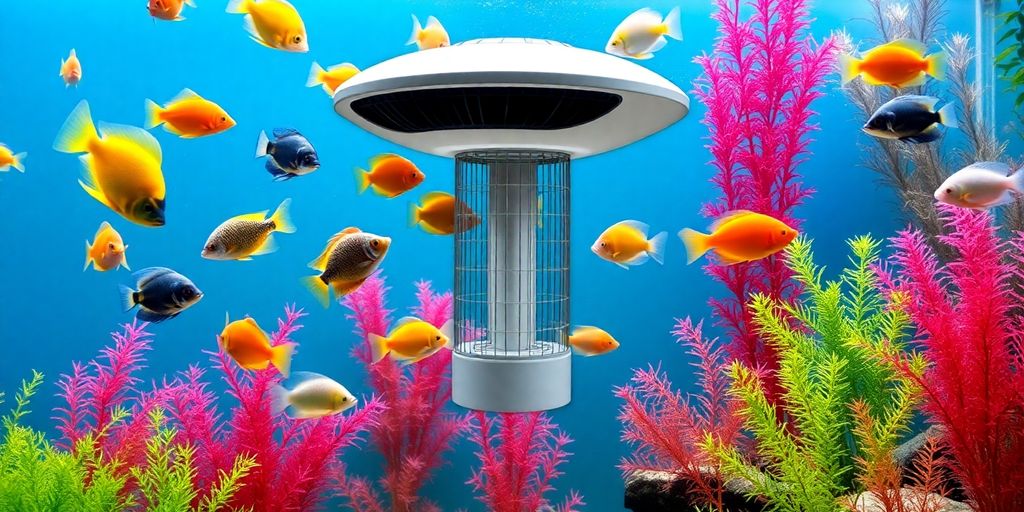
Maintaining the right temperature in your aquarium is crucial for the health of your fish. An aquarium heater ensures that the water temperature remains stable, providing a comfortable and safe environment for your fish and other aquatic life.
Importance of Temperature Control
- Fish are cold-blooded and rely on their environment to regulate their body temperature.
- Different species have specific temperature needs, making it essential to monitor and adjust the water temperature accordingly.
- Sudden temperature changes can stress fish, leading to health issues.
Types of Aquarium Heaters
| Type | Description | Best For |
|---|---|---|
| Submersible Heaters | Fully submerged in water, easy to install. | Most freshwater and saltwater tanks |
| In-Line Heaters | Installed in the filtration system, heats water as it passes through. | Larger tanks with filtration systems |
| Flat Heaters | Thin and can be placed under substrate or attached to the tank wall. | Small tanks or specific setups |
Setting Up and Maintaining Heaters
- Choose the right heater size: Select a heater based on your tank size. For example, a 50W heater is suitable for tanks up to 20 gallons.
- Adjust the temperature: Most heaters allow you to set the temperature between 68°F and 90°F, which suits more species of fish.
- Regular checks: Monitor the heater and water temperature regularly to ensure it’s functioning correctly.
Remember, a stable environment is key to keeping your fish healthy and happy!
Lighting Your Aquarium
Benefits of Proper Lighting
Lighting is crucial for your aquarium. It not only enhances the beauty of your fish but also supports plant growth. Here are some key benefits:
- Visibility: Good lighting helps you see your fish clearly.
- Plant Growth: Proper lighting is essential for live plants to thrive.
- Aesthetic Appeal: Bright lights can make your aquarium look stunning.
Types of Aquarium Lights
There are several types of lights you can use:
| Type | Description |
|---|---|
| Fluorescent Lights | Affordable and good for general use. |
| LED Lights | Energy-efficient and long-lasting. |
| Metal Halide Lights | Great for larger tanks and reef setups. |
| Incandescent Lights | Less common, but can be used for specific needs. |
Choosing the Right Light for Your Tank
When selecting lights, consider the following:
- Tank Size: Larger tanks may need more powerful lights.
- Type of Fish and Plants: Some fish and plants require specific lighting conditions.
- Budget: Prices can vary widely, so choose what fits your budget.
Remember, the right lighting can make your fish and plants appear vibrant and healthy.
In conclusion, investing in quality lighting is essential for a thriving aquarium. It not only benefits your aquatic life but also enhances your viewing experience.
Water Quality Management
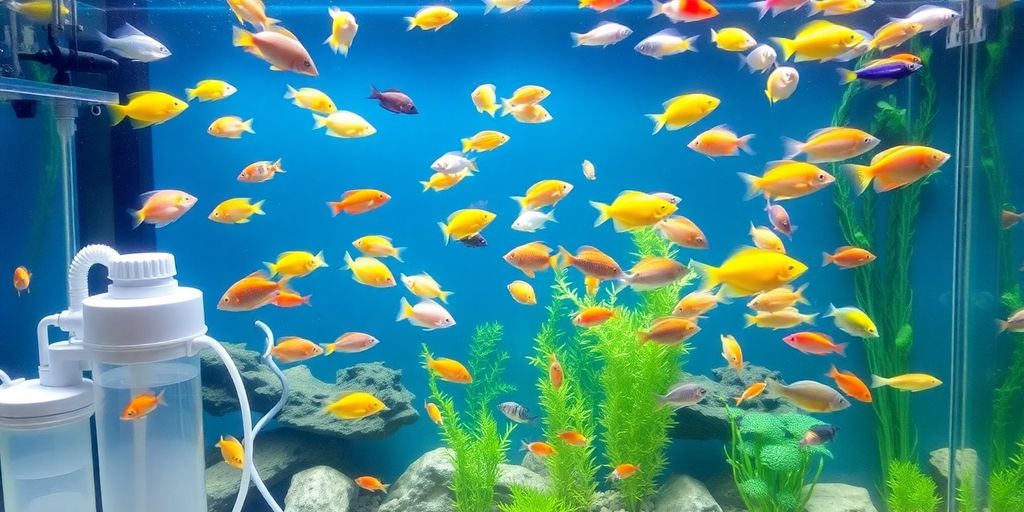
Maintaining good water quality is essential for the health of your fish. Regular testing and adjustments can prevent many problems that arise in aquariums.
Importance of Water Testing
Testing your aquarium water regularly helps you keep track of important parameters. Here are some key factors to monitor:
- pH levels: Should be stable and within the range suitable for your fish species.
- Ammonia and Nitrite: Both should be at 0 ppm to avoid toxicity.
- Nitrate levels: Should be kept low, ideally below 20 ppm.
Types of Water Test Kits
There are various test kits available, including:
- Liquid test kits: More accurate but can be a bit messy.
- Test strips: Quick and easy to use, but may not be as precise.
- Digital testers: Provide instant readings and are user-friendly.
| Test Type | Accuracy | Ease of Use | Cost |
|---|---|---|---|
| Liquid Test Kits | High | Moderate | $$ |
| Test Strips | Moderate | High | $ |
| Digital Testers | High | High | $$$ |
Using Water Conditioners
Water conditioners are important for treating tap water before adding it to your aquarium. They help remove harmful chemicals like chlorine and chloramine. Here are some tips:
- Always use a conditioner when filling your tank.
- Follow the instructions on the product label for the best results.
- Consider using a conditioner that also detoxifies ammonia.
Regular attention to water quality contributes significantly to the overall well-being of your aquarium ecosystem, promoting the health and vibrancy of your aquatic community.
By keeping an eye on these factors, you can create a safe and healthy environment for your fish, ensuring they thrive in their underwater home. Remember, monitoring water quality is not just a task; it’s a commitment to your aquatic pets’ well-being!
Feeding Your Fish
Feeding your fish properly is essential for their health and happiness. Understanding the right types of food is the first step. Here are some common types of fish food:
Types of Fish Food
- Flakes: Great for most fish, easy to digest.
- Pellets: Good for larger fish, provides balanced nutrition.
- Frozen or Live Food: Ideal for carnivorous species, enhances color and vitality.
Feeding Schedules and Techniques
Establishing a consistent feeding routine is crucial. Here are some tips:
- Feed small amounts 1-2 times a day.
- Observe your fish to adjust the amount based on their appetite.
- Remove uneaten food to maintain water quality.
Special Dietary Needs
Some fish have unique dietary requirements. For example:
- Herbivores: Need plant-based foods like algae wafers.
- Carnivores: Require protein-rich diets, such as bloodworms.
- Omnivores: Benefit from a mix of both plant and animal foods.
Keeping your fish well-fed is key to a thriving aquarium. Regularly check their health and adjust their diet as needed.
By following these guidelines, you can ensure your fish receive the nutrition they need to thrive in your aquarium. Remember, a well-fed fish is a happy fish!
Aquarium Decorations and Substrates
Creating a beautiful aquarium involves choosing the right decorations and substrates. Decorations not only enhance the look of your tank but also provide hiding spots for your fish. Here are some key points to consider:
Choosing the Right Substrate
- There are many different types of aquarium substrate available, including gravel, sand, and soil. Each type has its own unique properties and benefits. For example:
- Gravel: Good for most fish and easy to clean.
- Sand: Ideal for bottom-dwelling fish and plants.
- Soil: Best for planted tanks, providing nutrients for plants.
Decorative Elements for Aquariums
- When selecting decorations, think about:
- Natural materials: Rocks and driftwood can create a natural habitat.
- Themed decorations: Items like sunken ships or castles can add a fun touch.
- Safety: Ensure all decorations are non-toxic and stable to prevent accidents.
Safety Tips for Decorations
- Always check that decorations are safe for your fish. Avoid sharp edges and toxic materials. Stability is key; make sure everything is secure to prevent it from falling and harming your fish.
A well-decorated aquarium not only looks great but also creates a comfortable environment for your fish, helping them thrive.
By carefully selecting your substrate and decorations, you can create a stunning and healthy aquarium environment.
Aquarium Plants and CO2 Systems
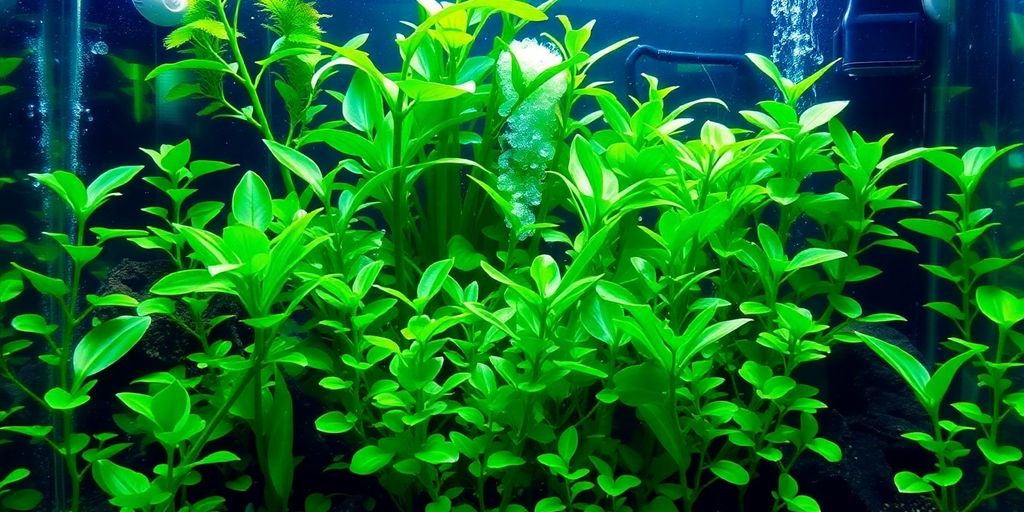
Benefits of Live Plants
Adding live plants to your aquarium can greatly enhance its environment. Plants provide oxygen, which is essential for fish and other aquatic life. They also improve the look of your tank, making it more vibrant and natural. Additionally, plants offer hiding spots for fish, helping to reduce stress, especially for shy species.
Choosing the Right Plants
When selecting plants, consider the following:
- Light Requirements: Choose between low-light plants like Anubias or high-light plants like Ludwigia based on your tank’s lighting.
- Care Level: Beginners might prefer easy-care plants like Java Moss, while experienced aquarists can try more demanding species.
- Compatibility: Ensure the plants you choose are suitable for your fish and tank conditions.
Using CO2 Systems for Plant Growth
CO2 systems can significantly boost plant growth. Here’s what you need to know:
- Types of CO2 Systems: You can choose from pressurized systems or DIY setups.
- Installation: Follow the instructions carefully to set up your CO2 system correctly.
- Monitoring: Regularly check CO2 levels to ensure optimal plant health.
Using a CO2 system can lead to a lush, thriving aquascape, making your aquarium more beautiful and healthy.
Summary Table of Plant Types
| Plant Type | Light Requirement | Care Level |
|---|---|---|
| Anubias | Low | Easy |
| Ludwigia | High | Moderate |
| Java Moss | Low | Easy |
| Dwarf Baby Tears | High | Moderate |
| Vallisneria | Low | Easy |
Maintaining a Healthy Aquarium
Routine Maintenance Tasks
Regular maintenance is key to keeping your aquarium thriving. Cleaning the substrate, glass, and decorations helps prevent algae buildup and keeps the environment visually appealing. Here are some essential tasks:
- Perform a 50% water change every two months.
- Clean only the mechanical media in the filter once a month.
- Avoid substrate vacuuming to maintain beneficial bacteria.
Identifying and Treating Common Diseases
Fish can be susceptible to various diseases. Early detection is crucial. Here are some common issues:
- Ich: Look for white spots on fish.
- Fin Rot: Check for frayed fins.
- Parasites: Observe unusual behavior or scratching against objects.
Tips for Long-Term Aquarium Health
To ensure your aquarium remains healthy over time, consider these tips:
- Regularly test water parameters like pH, ammonia, and nitrates.
- Maintain a balanced feeding schedule to avoid overfeeding.
- Monitor fish behavior for signs of stress or illness.
Keeping a close eye on your aquarium’s health can lead to a vibrant and thriving aquatic environment. Regular checks and maintenance are essential for the well-being of your fish and plants.
Advanced Aquarium Equipment
Protein Skimmers and Surface Skimmers
Protein skimmers are essential for saltwater aquariums. They remove organic waste before it breaks down, helping to keep the water clean. Using a protein skimmer can significantly improve water quality. Here are some key points:
- Types of Skimmers: There are internal and external skimmers.
- Maintenance: Regular cleaning is necessary for optimal performance.
- Setup: Follow the manufacturer’s instructions for best results.
Automatic Feeders and Timers
Automatic feeders are great for busy aquarium owners. They ensure your fish are fed on time, even when you’re not home. Consider these features:
- Programmable Settings: Set feeding times and portions.
- Types of Feed: Some feeders can handle flakes, pellets, or even frozen food.
- Battery Backup: Look for models with battery backup to avoid feeding interruptions.
Backup Power Solutions
In case of power outages, having a backup power solution is crucial. Here are some options:
- Battery Backup Systems: These can keep your filters and heaters running.
- Generators: A portable generator can power your entire setup.
- Uninterruptible Power Supplies (UPS): These provide short-term power to critical equipment.
Investing in advanced equipment can enhance your aquarium experience and ensure a thriving environment for your fish.
Setting Up a New Aquarium
Setting up a new aquarium can be an exciting journey for any fish lover. Here are the essential steps to ensure a smooth start:
Unboxing and Preparing Equipment
- Unpack your aquarium and check that all parts are included and undamaged.
- Install necessary equipment like the filtration system, heater, and lighting according to the instructions.
- Clean the aquarium, gravel, and decorations with water only—avoid soap or chemicals.
- Place the aquarium in a suitable location, considering accessibility and aesthetics.
Filling and Cycling the Tank
- Fill the aquarium with dechlorinated water to protect your fish.
- Gradually fill the tank, ensuring the water temperature matches the needs of your fish species.
- Turn on the equipment and let it run for a day or two to check functionality.
- Before adding fish, test the water for pH, ammonia, nitrite, and nitrate levels to create a healthy environment.
Cycling your aquarium is crucial. It helps establish beneficial bacteria that keep your fish safe and healthy.
Introducing Fish to the Aquarium
- Choose fish that are compatible with each other to avoid stress and aggression.
- Gradually introduce fish to the tank to help them acclimate to their new environment.
- Monitor water quality regularly to ensure a stable habitat for your aquatic friends.
By following these steps, you can create a thriving aquarium that will bring joy for years to come!
Troubleshooting Common Aquarium Issues
Dealing with Cloudy Water
Cloudy water can be a common issue in aquariums. Possible causes include overfeeding, poor filtration, or a bacterial bloom. To fix this:
- Reduce feeding amounts.
- Improve filtration.
- Perform regular water changes to clear up the water.
Addressing Fish Stress
Fish can become stressed for various reasons. Common causes include poor water quality, incompatible tank mates, or not enough hiding spots. To help your fish:
- Regularly test and maintain water quality.
- Ensure that fish species are compatible.
- Provide plenty of hiding spots to make them feel safe.
Preventing Equipment Failures
Equipment failures can lead to serious problems in your aquarium. To prevent this, consider:
- Installing a backup power source.
- Regularly maintaining your equipment.
- Replacing worn-out parts before they fail.
Keeping an eye on your aquarium’s health is essential. Regular checks can help you catch problems early, ensuring a thriving environment for your fish.
| Issue | Possible Causes | Solutions |
|---|---|---|
| Cloudy Water | Overfeeding, poor filtration | Reduce feeding, improve filtration |
| Fish Stress | Poor water quality, incompatible fish | Test water, ensure compatibility |
| Equipment Failures | Power outages, wear and tear | Backup power, regular maintenance |
If you’re facing issues with your aquarium, don’t worry! Many common problems can be fixed with a little guidance. Visit our website for helpful tips and solutions to keep your aquatic environment healthy and thriving. Your fish will thank you!
Final Thoughts on Essential Fish Store Equipment
In conclusion, having the right equipment is key to a successful aquarium. From filters and heaters to lighting and test strips, each item plays an important role in keeping your fish happy and healthy. Regularly checking water quality helps you spot any problems early, ensuring a safe environment for your aquatic friends. Whether you’re just starting out or have been in the hobby for a while, investing in good equipment will make your aquarium experience much more enjoyable. Remember, a well-maintained tank not only looks great but also supports the well-being of your fish.
Frequently Asked Questions
What type of aquarium should I choose: freshwater or saltwater?
Freshwater tanks are easier for beginners and have lower costs, while saltwater tanks are more complex and require more care but offer a wider variety of fish.
How do I maintain water quality in my aquarium?
You can maintain water quality by regularly testing it, doing water changes, and using filters and conditioners.
What size tank is best for my fish?
The size of the tank depends on the type and number of fish you want. Larger tanks are generally more stable but require more space.
How often should I feed my fish?
Feed your fish once or twice a day, giving them only what they can eat in a few minutes to avoid overfeeding.
What decorations are safe for my aquarium?
Use decorations made specifically for aquariums, like ceramic or plastic items, and avoid anything that could leach harmful substances.
How can I tell if my fish are stressed?
Signs of stressed fish include hiding, rapid gill movement, and changes in color. Maintaining good water quality helps reduce stress.
What equipment do I need for a new aquarium?
Essential equipment includes a tank, filter, heater, and lighting. You may also want water test kits and decorations.
How do I introduce new fish to my aquarium?
To introduce new fish, acclimate them slowly to the tank’s water by floating their bag in the tank for about 15 minutes before releasing them.