Aquariums are amazing, but keeping them healthy requires the right supplies. Knowing what to look for in aquarium products can make your aquatic journey much easier. This guide will help you find the best aquarium supply store for all your aquatic needs, covering everything from filters to fish food.
Key Takeaways
- Choose the right filter and heater for your aquarium size.
- Regular maintenance is key to keeping filters and heaters in good shape.
- Select fish food based on the specific needs of your fish species.
- Good lighting helps plants and fish thrive in your aquarium.
- Accessorizing your tank can enhance both its look and the health of its inhabitants.
Comprehensive Guide to Aquarium Filters
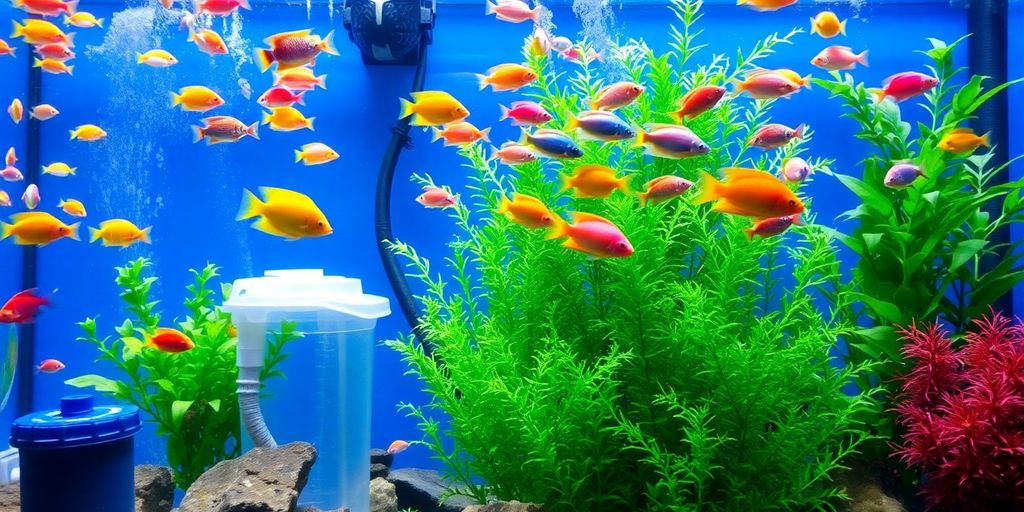
Aquarium filters are essential for maintaining a healthy aquatic environment. They help keep the water clean and clear, which is crucial for the well-being of your fish and plants. Choosing the right filter can make a big difference in your aquarium’s health.
Choosing the Right Filter for Your Tank
When selecting a filter, consider the following:
- Tank Size: Ensure the filter is suitable for your tank’s volume.
- Type of Fish: Different species have varying needs for water flow and filtration.
- Filter Type: Options include:
- External Filters
- Internal Filters
- Hang-On-Back Filters
Maintenance Tips for Aquarium Filters
To keep your filter running efficiently:
- Clean the filter media regularly to prevent clogging.
- Check the pump for any blockages or wear.
- Replace filter cartridges as needed to ensure optimal performance.
Top Brands for Aquarium Filters
Here are some popular brands known for their quality filters:
| Brand | Type of Filters Offered | Price Range |
|---|---|---|
| AquaClear | Internal, Hang-On-Back | $30 – $100 |
| Fluval | External, Internal | $50 – $300 |
| Marineland | Hang-On-Back, Canister | $40 – $200 |
Remember, regular maintenance and the right choice of filter can prevent the growth of harmful bacteria and improve the overall health of your aquarium.
By following these guidelines, you can ensure a thriving aquatic environment for your fish and plants.
Essential Aquarium Heaters for a Stable Environment
Maintaining a stable temperature in your aquarium is crucial for the health of your fish and plants. Choosing the right heater can make all the difference in creating a comfortable environment for your aquatic life.
Types of Aquarium Heaters
- Submersible Heaters: These are fully submerged in the water and are the most common type.
- In-Line Heaters: These are installed in the filtration system and heat the water as it passes through.
- Immersion Heaters: These are used for smaller tanks and can be placed directly in the water.
| Type | Pros | Cons |
|---|---|---|
| Submersible | Easy to install, affordable | Can break if not handled carefully |
| In-Line | Efficient, saves space | More expensive, complex setup |
| Immersion | Compact, portable | Limited to small tanks |
How to Install an Aquarium Heater
- Choose the Right Size: Make sure the heater is suitable for your tank size.
- Positioning: Place the heater near a water flow source for even heating.
- Set the Temperature: Adjust the thermostat to the desired temperature, usually between 75°F and 80°F.
Best Practices for Heater Maintenance
- Regular Checks: Inspect the heater regularly for any signs of wear or damage.
- Clean the Heater: Remove any algae or debris that may accumulate on the heater.
- Monitor Temperature: Use a thermometer to ensure the heater is functioning correctly.
Keeping your aquarium heater in good condition is essential for a thriving aquatic environment. Regular maintenance can prevent issues and ensure your fish remain healthy and happy.
By understanding the different types of heaters and how to maintain them, you can create a stable environment for your aquatic friends. Remember, a well-heated aquarium is a happy aquarium!
Diverse Selection of Fish Food for Every Species
Feeding your fish the right food is essential for their health and happiness. Different species have unique dietary needs, so it’s important to choose the right type of food for your aquatic friends.
Freshwater vs. Marine Fish Food
- Freshwater Fish Food: This includes flakes, pellets, and freeze-dried options. Popular brands like Omega One and New Life Spectrum offer a variety of choices.
- Marine Fish Food: Marine fish often require specialized diets. Look for foods that enhance color and vitality, such as those from Reef Nutrition.
Specialty Foods for Color Enhancement
- Color-Enhancing Flakes: These are designed to bring out the vibrant colors in your fish.
- Spirulina-based Foods: Great for herbivorous fish, promoting both health and color.
- High-Protein Options: Ideal for carnivorous species, ensuring they get the nutrients they need.
Feeding Tips for Healthy Fish
- Variety is Key: Rotate different types of food to provide a balanced diet.
- Portion Control: Feed only what your fish can consume in a few minutes to avoid overfeeding.
- Observe Behavior: Watch how your fish react to different foods to find their favorites.
Remember, a well-fed fish is a happy fish! Providing the right food can lead to a thriving aquarium environment.
| Food Type | Best For | Example Brands |
|---|---|---|
| Flakes | General Freshwater Fish | Omega One, Tetra |
| Pellets | Cichlids | New Life Spectrum |
| Freeze-Dried | Carnivorous Fish | Hikari, San Francisco |
| Spirulina-based | Herbivorous Fish | Ocean Nutrition |
Aquarium Lighting: Illuminate Your Underwater World
Lighting is essential for any aquarium, as it not only enhances the beauty of your aquatic setup but also supports the health of your fish and plants. Choosing the right lighting can make a significant difference in your aquarium’s ecosystem.
Types of Aquarium Lights
There are several types of aquarium lights available:
- LED Lights: Energy-efficient and long-lasting, these lights provide a full spectrum of light, making them ideal for both freshwater and saltwater tanks. For example, the Pronoro aquarium light is a super-bright LED light with a full spectrum, combining 5000K white LED, 460nm blue LED, and 660 red LED, simulating natural light.
- Fluorescent Lights: These are commonly used and come in various sizes. They are suitable for most freshwater tanks but may not provide enough light for coral growth in saltwater tanks.
- Metal Halide Lights: These lights are powerful and great for larger tanks, especially those with coral. However, they can generate a lot of heat.
Setting Up Lighting for Different Tanks
When setting up lighting, consider the following:
- Tank Size: Larger tanks may require multiple light sources.
- Type of Fish and Plants: Different species have varying light needs. For example, plants like Java Fern thrive in low light, while others like Anubias need more.
- Light Duration: Aim for 10-12 hours of light per day to mimic natural conditions.
Benefits of LED Aquarium Lights
- Energy Efficiency: LEDs consume less power compared to traditional lighting.
- Long Lifespan: They last longer, reducing the need for frequent replacements.
- Customizable: Many LED systems allow you to adjust the color and intensity, catering to specific needs.
Remember, proper lighting not only beautifies your aquarium but also plays a crucial role in maintaining a healthy environment for your aquatic life.
Aquarium Kits and Cabinets: All-in-One Solutions
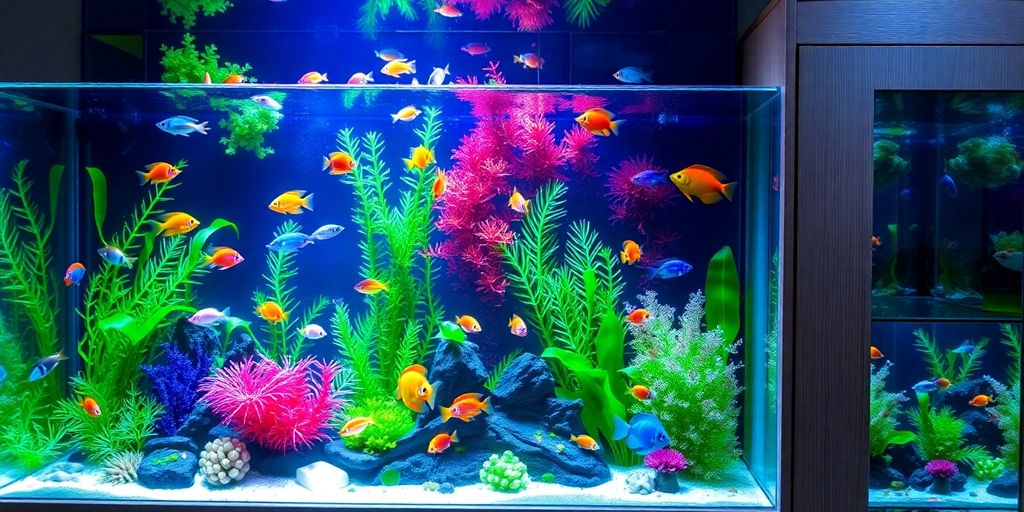
Aquarium kits and cabinets are perfect for anyone looking to start their aquatic journey. These all-in-one solutions provide everything you need to create a beautiful underwater environment. Here’s what you should know:
Choosing the Right Aquarium Kit
- Size Matters: Consider the space you have available. Kits come in various sizes, from small 3-gallon tanks like the Top Fin® All-in-One Betta Aquarium Starter Kit to larger setups.
- Included Equipment: Look for kits that include essential equipment such as filters, heaters, and lighting. For example, the 183-gallon ultra-clear fish tank comes with a sump filtration system and a stylish cabinet.
- Ease of Setup: Some kits are designed for easy assembly, making them great for beginners.
Benefits of Aquarium Cabinets
- Storage Solutions: Cabinets provide storage for all your aquarium supplies, keeping your space organized.
- Aesthetic Appeal: A well-designed cabinet can enhance the look of your aquarium setup.
- Stability: Cabinets are built to support the weight of your aquarium, ensuring safety and stability.
Top Picks for Aquarium Kits
| Product Name | Size | Features |
|---|---|---|
| Top Fin® All-in-One Betta Aquarium Starter Kit | 3 Gallons | Complete setup for bettas |
| 183 Gallon Ultra Clear Fish Tank | 183 Gallons | Includes sump filtration and cabinet |
| Fluval Flex 15 Gallon Stand | 15 Gallons | Stylish design for modern homes |
When selecting an aquarium kit, consider your fish species and the environment you want to create. This will help you choose the right equipment and setup for your aquatic friends.
Aquarium Accessories to Enhance Your Setup
Aquarium accessories can make a big difference in the health and beauty of your aquatic environment. Choosing the right accessories is essential for creating a thriving habitat for your fish and plants.
Must-Have Aquarium Accessories
- Aquarium Filters: Essential for maintaining water quality. Hang-on-back (HOB) filters are popular due to their ease of installation and maintenance.
- Heaters: Keep your tank at a stable temperature. Look for reliable brands like Eheim and Cobalt Aquatics.
- Lighting: Proper lighting is crucial for plant growth and fish health. LED lights are energy-efficient and provide excellent illumination.
Decorative Items for Aquariums
- Artificial Plants: Safe and non-toxic options can add color and hiding spots for fish. They are easy to maintain and look great in any setup.
- Substrate: Choose the right substrate for your fish and plants. Gravel, sand, or specialized substrates can enhance the look of your tank.
- Caves and Hideouts: Provide shelter for shy fish. These can be made from resin or natural materials.
Maintenance Tools and Gadgets
- Algae Magnets: Keep your tank clean and clear.
- Gravel Vacuums: Essential for regular cleaning and maintenance.
- Water Test Kits: Ensure your water quality is optimal for your aquatic life.
Remember, the right accessories not only enhance the beauty of your aquarium but also contribute to the health and happiness of your fish. Regular maintenance and the right tools can make all the difference!
Understanding Aquarium Filter Media
Aquarium filter media is essential for maintaining a healthy aquatic environment. Choosing the right filter media can significantly improve water quality and support the growth of beneficial bacteria.
Types of Filter Media
- Biological Media: This includes materials like ceramic rings and bio balls, which provide a porous surface for bacteria to thrive. These bacteria help break down harmful substances in the water.
- Chemical Media: Activated carbon and exchange resins are common types. They help remove impurities and toxins from the water, ensuring a cleaner habitat for your fish.
- Mechanical Media: This type includes sponges and filter pads that physically trap debris and particles, keeping the water clear.
| Type of Media | Purpose | Examples |
|---|---|---|
| Biological | Supports beneficial bacteria growth | Ceramic rings, bio balls |
| Chemical | Removes toxins and impurities | Activated carbon, resins |
| Mechanical | Traps debris and particles | Filter pads, sponges |
How to Replace Filter Media
- Check Regularly: Inspect your filter media every month to see if it needs replacing.
- Rinse Before Use: Always rinse new media to remove dust and debris.
- Replace Gradually: If you have multiple types of media, replace them one at a time to maintain beneficial bacteria levels.
Remember, maintaining your filter media is crucial for a thriving aquarium. Regular checks and replacements will help keep your aquatic environment healthy and vibrant.
Top Brands for Filter Media
- Fluval: Known for high-quality biological and mechanical media.
- Seachem: Offers a variety of chemical filtration products.
- Aquael: Provides reliable mechanical and biological media options.
By understanding the different types of filter media and how to maintain them, you can ensure a clean and healthy environment for your aquatic life. This knowledge is key to discovering the best fish store and selecting the right products for your aquarium setup.
Aquarium Test Strips: Ensuring Water Quality
How to Use Aquarium Test Strips
Using aquarium test strips is simple and effective. Here’s how to do it:
- Dip the strip into the aquarium water for a few seconds.
- Remove the strip and shake off excess water.
- Wait for the recommended time (usually a minute) before comparing the colors on the strip to the chart provided.
Interpreting Test Results
Understanding the results is crucial for maintaining a healthy aquarium. Here’s a quick guide:
- pH Levels: Ideal range is between 6.5 and 7.5 for most fish.
- Ammonia: Should be at 0 ppm; high levels can be toxic.
- Nitrate and Nitrite: Keep nitrate below 20 ppm and nitrite at 0 ppm.
| Parameter | Ideal Range | Action if Out of Range |
|---|---|---|
| pH | 6.5 – 7.5 | Adjust with buffers |
| Ammonia | 0 ppm | Perform water change |
| Nitrate | < 20 ppm | Change water |
| Nitrite | 0 ppm | Change water |
Top Brands for Aquarium Test Strips
When it comes to reliable test strips, consider these brands:
- Advatec: Known for their 9-in-1 test kit, which covers multiple parameters.
- API: Offers a comprehensive range of test kits for both freshwater and saltwater.
- Tetra: Provides easy-to-use strips that deliver quick results.
Regular testing is essential for maintaining a healthy aquarium. Keep your fish happy and thriving by monitoring water quality frequently!
Protein Skimmers and Their Importance
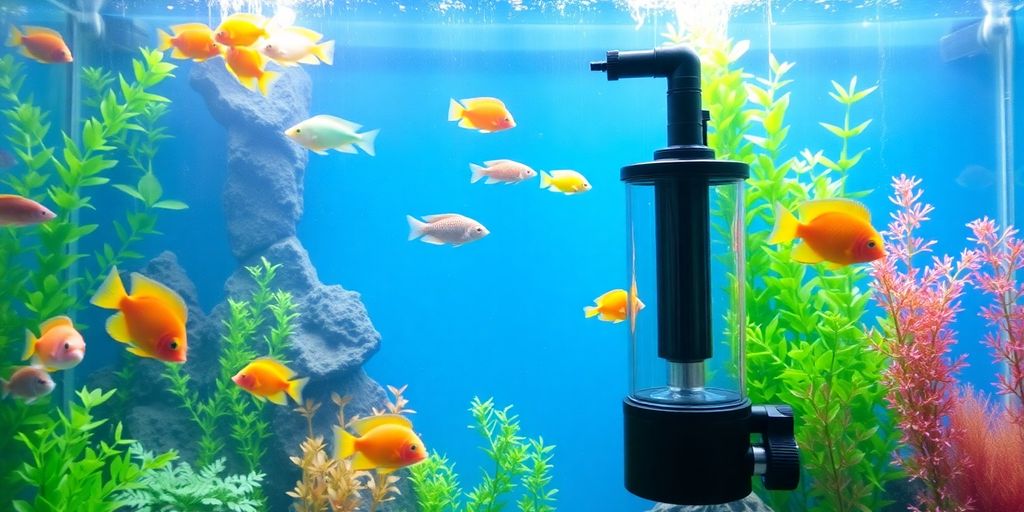
Protein skimmers are essential for maintaining a clean and healthy aquarium environment. They help remove organic waste before it breaks down into harmful substances. This is especially important in saltwater tanks where waste can accumulate quickly.
How Protein Skimmers Work
Protein skimmers operate by creating bubbles that attract and trap organic materials. As the bubbles rise, they carry waste to a collection cup, where it can be easily removed. This process helps keep the water clear and reduces the need for frequent water changes.
Choosing the Right Protein Skimmer
When selecting a protein skimmer, consider the following:
- Tank Size: Ensure the skimmer is suitable for your aquarium’s volume.
- Type: Choose between internal or external skimmers based on your setup.
- Brand: Popular brands include Reef Octopus and AquaMaXX, known for their reliability.
Maintenance Tips for Protein Skimmers
To keep your skimmer functioning well:
- Clean the collection cup regularly to prevent overflow.
- Check the pump for clogs or wear.
- Adjust the water level to optimize performance.
Regular maintenance of your protein skimmer is crucial for a thriving aquatic environment.
In summary, protein skimmers are vital for any serious aquarist. They not only improve water quality but also contribute to the overall health of your aquatic life. For those looking to purchase, explore options like the Fluval Sea PS1 or Reef Octopus models for effective filtration solutions.
Power Heads and Wave Makers for Optimal Water Flow
Creating a healthy environment for your fish is essential, and one of the best ways to achieve this is through proper water movement. Power heads and wave makers are crucial for maintaining optimal water flow in your aquarium. They help simulate natural currents, which can be beneficial for both freshwater and saltwater tanks.
Benefits of Power Heads
- Increased Water Circulation: Power heads enhance water movement, ensuring that all areas of the tank receive adequate flow.
- Versatility: They can be used for various purposes, including filtration and aeration.
- Energy Efficiency: Many modern power heads, like the freesea wave maker for aquarium, provide high flow rates (up to 1600 GPH) while consuming less energy.
Setting Up Wave Makers
- Choose the Right Location: Place the wave maker in a position that allows for even distribution of water flow.
- Adjust Flow Rate: Most wave makers allow you to adjust the flow rate to suit your tank’s needs.
- Test Water Movement: Observe how the water moves and adjust the position or settings as necessary.
Top Brands for Water Flow Equipment
| Brand | Model | Flow Rate (GPH) | Energy Consumption |
|---|---|---|---|
| Freesea | Wave Maker 1600 | 1600 | Low |
| Hydor | Koralia 3 | 850 | Moderate |
| Sicce | XStream Wave Pump | 1000 | Low |
Proper water flow is essential for the health of your aquatic life. It helps in nutrient distribution and waste removal, creating a balanced ecosystem in your aquarium.
By investing in quality power heads and wave makers, you can ensure that your aquarium remains a vibrant and healthy environment for your fish.
Aquarium Spare Parts: Keeping Your Setup Running Smoothly
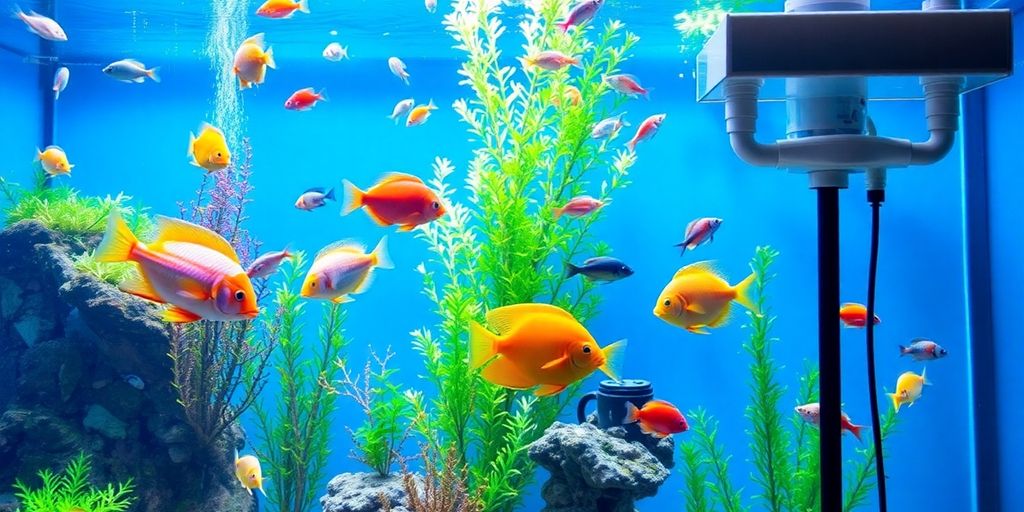
Maintaining your aquarium is essential for a healthy aquatic environment. Having the right spare parts on hand can save you time and stress. Here’s a quick guide to help you understand what you might need:
Common Spare Parts for Aquariums
- Filters: Replacement cartridges and media are crucial for keeping your water clean.
- Heaters: Always have a backup heater in case your primary one fails.
- Pumps: Extra pumps can help maintain water flow if your main pump breaks down.
Where to Buy Spare Parts
- Local Aquarium Stores: They often have a variety of parts and knowledgeable staff.
- Online Retailers: Websites like Aquacadabra offer a wide selection and often have competitive prices.
- Specialty Stores: Look for stores that focus on specific brands or types of equipment.
Tips for Replacing Spare Parts
- Check Compatibility: Ensure that the parts you buy are compatible with your existing equipment.
- Read Reviews: Look for feedback on the quality and reliability of the parts.
- Keep Receipts: This helps in case you need to return or exchange a part.
Remember, regular maintenance and having spare parts ready can help you avoid major issues in your aquarium setup. Keeping your aquatic environment healthy is key to thriving fish and plants!
To keep your aquarium running well, having the right spare parts is key. Whether you need filters, heaters, or other essentials, we have everything you need to ensure your aquatic setup stays in top shape. Don’t wait until something breaks—visit our website today to explore our wide range of aquarium spare parts and keep your fish happy!
Final Thoughts on Your Aquarium Journey
Finding the right aquarium supply store is key to keeping your fish and plants healthy and happy. Whether you need filters, food, or decorations, a good store will have everything you need. Remember to look for places that offer quality products and helpful advice. With the right supplies, you can create a beautiful underwater world that you and your fish will love. Happy fishkeeping!
Frequently Asked Questions
What type of aquarium filter should I choose for my tank?
The right filter depends on your tank size and the type of fish you have. Generally, external filters are great for larger tanks, while internal filters work well for smaller setups.
How often should I clean my aquarium filter?
You should clean your aquarium filter every 4 to 6 weeks. This helps keep the water clean and your fish healthy.
What are the best brands for aquarium heaters?
Some top brands for aquarium heaters include Eheim, Fluval, and Aqueon. They are known for their reliability and performance.
How do I know if my aquarium heater is working properly?
Check the temperature of the water with a thermometer. If it matches the setting on your heater, it’s working fine.
What’s the difference between fresh and saltwater fish food?
Freshwater fish food is formulated for fish living in freshwater, while saltwater fish food has higher protein levels and specific nutrients for marine fish.
Are LED lights better for aquariums?
Yes, LED lights are energy-efficient and produce less heat. They also come in various colors, which can enhance the look of your aquarium.
What should I include in my aquarium setup?
Essential items include a filter, heater, lighting, substrate, and decorations. Also, consider adding plants for a natural look.
How can I test the water quality in my aquarium?
You can use aquarium test strips to check levels of pH, ammonia, nitrite, and nitrate. Regular testing helps keep your fish healthy.