If you’re looking to buy aquarium fish online, you’ve come to the right place! This guide will help you navigate the process, ensuring that you choose the right fish and care for them properly. From picking a reliable seller to making sure your new fish are healthy, we will cover everything you need to know to make your online fish shopping experience a success.
Key Takeaways
- Always research sellers to find trustworthy online stores.
- Understand the types of fish you want to buy and their care needs.
- Prepare your aquarium before the fish arrive to ensure a smooth transition.
- Follow proper acclimation steps when introducing new fish to your tank.
- Keep an eye on your fish after they arrive to ensure they are healthy.
Choosing the Right Online Store to Order Aquarium Fish
When it comes to buying aquarium fish online, selecting a reputable seller is crucial. Here are some key points to consider:
Researching Reputable Sellers
- Look for stores that specialize in aquarium supplies and fish sales.
- Check if they provide detailed information about the fish, including health status and origin.
- Ensure they have a good track record with customer feedback.
Reading Customer Reviews
- Customer reviews can give you insights into the quality of the fish and the seller’s service.
- Look for stores with positive feedback and high ratings.
- Pay attention to comments about the health of the fish upon arrival.
Checking for Certifications
- Verify if the seller has any certifications that ensure quality and ethical practices.
- Certifications can indicate that the seller follows proper shipping and handling protocols.
- A certified seller is more likely to provide healthy fish and good customer service.
Remember, a well-researched choice can lead to a successful and enjoyable fish-keeping experience!
Understanding Different Types of Aquarium Fish
When it comes to choosing fish for your aquarium, it’s essential to understand the different types available. There are three main categories of aquarium fish: marine, tropical, and coldwater freshwater fish.
Marine Fish
Marine fish are suited for saltwater environments. They often require specific water conditions and can be more challenging to care for. Here are some popular marine fish:
- Clownfish
- Tangs
- Angelfish
Tropical Fish
Tropical fish thrive in warm freshwater. They are colorful and can be kept with various plants. Some common tropical fish include:
- Guppies
- Betta fish
- Tetras
Coldwater Freshwater Fish
Coldwater fish are easier to manage and do not need heated tanks. They are perfect for beginners. Examples include:
- Goldfish
- Koi
- White Cloud Mountain Minnows
| Type of Fish | Water Temperature | Difficulty Level |
|---|---|---|
| Marine Fish | 75-80°F | Hard |
| Tropical Fish | 75-80°F | Medium |
| Coldwater Fish | 60-70°F | Easy |
Understanding the differences between these fish types is crucial for creating a healthy aquarium environment. Choosing the right fish can lead to a thriving aquatic habitat.
By knowing the characteristics of each type, you can make informed decisions when ordering fish online. This knowledge will help you create a balanced and beautiful aquarium that suits your preferences and lifestyle.
Preparing Your Aquarium for New Fish
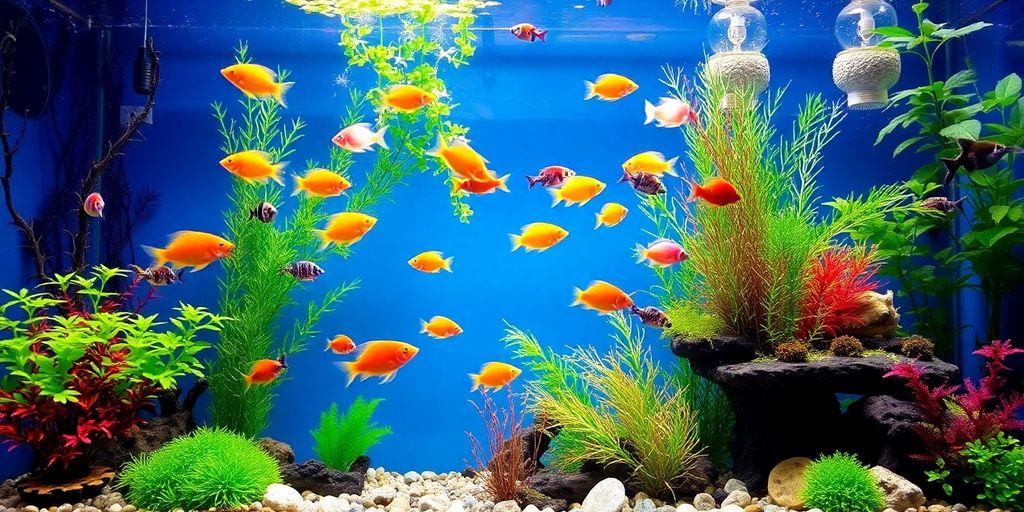
When you decide to add new fish to your aquarium, it’s essential to prepare properly. This ensures a smooth transition for your aquatic friends and helps them thrive in their new environment.
Setting Up the Tank
- Clean the tank: Before introducing new fish, make sure your aquarium is clean. Rinse it with warm water and avoid using any soaps or chemicals.
- Add substrate: Choose a suitable substrate for your fish type. For example, gravel is great for most freshwater fish, while sand is ideal for some marine species.
- Install equipment: Set up your filter, heater, and any other necessary equipment. Ensure everything is functioning correctly before adding fish.
Water Quality and Parameters
- Test the water: Use a water testing kit to check for pH, ammonia, nitrite, and nitrate levels. This is crucial for the health of your fish.
- Condition the water: If needed, treat the water with a dechlorinator to remove harmful chemicals.
- Maintain temperature: Ensure the water temperature is suitable for the species you plan to introduce. Most tropical fish prefer temperatures between 75°F and 80°F.
Choosing the Right Plants and Decorations
- Select plants: Live plants can help improve water quality and provide hiding spots for fish. Choose plants that are compatible with your fish species.
- Add decorations: Include rocks, caves, or driftwood to create a natural habitat. Ensure that all decorations are aquarium-safe and free from sharp edges.
- Avoid overcrowding: Make sure not to overcrowd the tank with too many decorations, as fish need space to swim and explore.
Preparing your aquarium properly is key to ensuring your new fish feel at home. A well-set-up tank can significantly reduce stress for your fish, leading to a healthier and happier aquatic environment.
By following these steps, you can create a welcoming space for your new fish, setting the stage for a successful introduction into your aquarium.
Placing Your Order Online

Ordering aquarium fish online can be exciting, but it’s important to follow some steps to ensure a smooth experience. Here’s how to do it right:
Selecting the Fish Species
- Research the species you want to buy. Make sure they are suitable for your aquarium.
- Check if the seller has the specific fish you’re looking for, like rare tropical fish or common freshwater varieties.
- Look for sellers that provide detailed information about the fish, including their health and care needs.
Understanding Shipping Options
- Shipping Time: Confirm how long it will take for your fish to arrive. For example, some sellers have a processing time of 3-5 business days.
- Packaging: Ensure that the seller uses insulated packaging to keep the fish safe during transit.
- Live Arrival Guarantee: Check if the seller offers a guarantee that your fish will arrive alive and healthy.
Reviewing Return Policies
- Return Window: Understand how long you have to return fish if they arrive unhealthy or if you change your mind.
- Conditions for Returns: Make sure you know the conditions under which you can return fish, such as if they show signs of illness.
- Customer Support: Look for sellers that provide good customer support in case you have questions or issues after your purchase.
Remember, choosing a reputable seller is key to a successful online fish buying experience. Always read reviews and check for certifications to ensure you’re getting healthy fish from a trustworthy source.
Receiving and Inspecting Your Fish Delivery
When your fish arrive, it’s an exciting moment! However, it’s important to handle the situation carefully to ensure your new aquatic friends are healthy and happy.
Unpacking the Fish Safely
- Open the package gently: Be careful not to damage any bags or containers inside. Sudden movements can startle the fish.
- Check the temperature: If the package feels too hot or cold, let it sit for a bit before opening.
- Inspect the bags: Look for any signs of leaks or damage.
Checking for Signs of Health
After unpacking, it’s crucial to assess the condition of your fish:
- Active behavior: Healthy fish should be swimming around.
- Clear eyes: Look for clarity in their eyes, which indicates good health.
- Vibrant colors: Fish should display their natural colors; dullness can be a sign of stress or illness.
If you notice any issues, contact the seller immediately. Your prompt action can make a difference!
Contacting the Seller for Issues
If you find any problems with your fish, follow these steps:
- Document the issue: Take photos of the fish and the packaging.
- Reach out to customer service: Use the contact information provided by the seller.
- Know your rights: Familiarize yourself with the seller’s return policy to understand your options.
Remember, proper care starts from the moment your fish arrive. Taking the time to inspect them can help ensure a healthy start in their new home!
Acclimating Your New Fish
When you receive your new fish, proper acclimation is essential for their health. Here’s how to do it:
Floating the Bag
- Float the sealed bag in your aquarium for about 15 to 30 minutes. This helps the fish adjust to the water temperature.
- After floating, gently pierce the bag near the seal to allow some water exchange.
- Roll down the top of the bag, keeping it partially filled with air.
Gradual Water Mixing
- You can either:
- Add about 25mm of aquarium water to the bag every 5 minutes for 25 to 30 minutes.
- Or, place the fish in a separate container and mix the water similarly.
This gradual mixing helps the fish adapt to the new water conditions.
Netting and Releasing the Fish
- Instead of pouring the bag water into your tank, gently net the fish and place them directly into the aquarium. Avoid adding the bag water, as it may contain waste.
- After introducing them, keep the lights off for 2 to 3 hours to help them settle in.
Monitoring Behavior
- Keep a close eye on your new fish for the first 24 to 72 hours. Look for signs of health, such as:
- Active swimming
- Clear eyes
- Normal feeding behavior
Remember, acclimation is key to ensuring your fish thrive in their new home. By following these steps, you can help them adjust smoothly and reduce stress.
Quarantining New Arrivals
When you get new fish, it’s crucial to keep them separate from your main aquarium. Always keep a new fish in a quarantine tank for at least four weeks. This helps protect your existing fish from any potential diseases. Here’s how to do it:
Setting Up a Quarantine Tank
- Choose a suitable tank: A small tank (10-20 gallons) is usually enough.
- Add a filter and heater: Ensure the water conditions are stable.
- Use a simple substrate: This makes cleaning easier.
Duration of Quarantine
- Minimum of 4 weeks: This allows enough time to observe for any signs of illness.
- Monitor daily: Check for any unusual behavior or symptoms.
Observing for Diseases
- Look for signs like:
- White spots (ich)
- Faded colors
- Lethargy
Quarantining is a simple yet effective way to ensure the health of your aquarium. It can save you from future headaches and losses.
By following these steps, you can help ensure that your new fish are healthy and ready to join your main tank without causing any issues.
Integrating New Fish into Your Aquarium
When you bring new fish home, it’s important to introduce them to your aquarium carefully. This process helps ensure the health and happiness of your fish. Here’s how to do it right:
Introducing Fish to the Main Tank
- Turn Off Aquarium Lights: Start by turning off the lights in your aquarium. This creates a calm environment for the new fish.
- Open the Packaging: Carefully open the box your fish came in. Avoid sudden movements to prevent startling them.
- Check Fish Health: Look at the fish in their bags. Healthy fish should be active and colorful. If you see any signs of distress, contact the seller.
Monitoring Interactions
- Observe Behavior: After introducing the fish, watch how they interact with the others. Look for signs of aggression or stress.
- Feeding: Ensure that all fish are eating. If some are not, it may indicate stress or bullying.
- Adjust Tank Conditions: If you notice any issues, consider adjusting the tank conditions, such as temperature or hiding spots.
Adjusting Tank Conditions
- Water Quality: Make sure the water quality is suitable for all fish. Test for ammonia, nitrite, and nitrate levels.
- Hiding Spots: Provide plenty of plants and decorations for fish to hide in. This helps reduce stress and allows them to feel secure.
Remember, patience is key when integrating new fish. Allow them time to adjust to their new home and monitor their behavior closely for the first few days.
By following these steps, you can help your new fish settle in smoothly and thrive in their new environment!
Maintaining a Healthy Aquarium
Keeping your aquarium in top shape is essential for the well-being of your fish. Regular maintenance ensures a thriving environment. Here are some key areas to focus on:
Regular Water Testing
- Test your water at least once a week.
- Check for ammonia, nitrite, and nitrate levels.
- Use test kits to monitor pH and hardness.
Feeding Your Fish
- Feed your fish a balanced diet appropriate for their species.
- Avoid overfeeding; it can pollute the water.
- Remove uneaten food after a few minutes.
Cleaning and Maintenance Tips
- Change 25% of the water weekly to keep it fresh and clean.
- Clean the tank walls and decorations to prevent algae buildup.
- Check and clean filters regularly to ensure proper water flow.
| Maintenance Task | Frequency | Notes |
|---|---|---|
| Water Change | Weekly | 25% of the tank volume |
| Filter Cleaning | Monthly | Rinse with tank water |
| Algae Scraping | As needed | Use a scraper or sponge |
Keeping your aquarium clean and well-maintained not only benefits your fish but also enhances your viewing experience. Regular attention to these details can prevent many common issues and ensure a healthy aquatic environment.
Benefits of Ordering Aquarium Fish Online

Ordering aquarium fish online has become a popular choice for many fish enthusiasts. Here are some key benefits:
Wider Selection of Species
When you shop online, you can find a much larger variety of fish than in local stores. This means you can discover unique species that might not be available nearby. Many online stores specialize in rare and exotic fish, giving you more options to choose from.
Convenience and Time-Saving
Buying fish online is incredibly convenient. You can browse and order from the comfort of your home without needing to travel. This saves you time and effort, allowing you to focus on setting up your aquarium instead of driving around.
Access to Expert Advice
Many online retailers provide detailed information about each fish species, including care requirements and compatibility. You can also read customer reviews to learn about the experiences of other fish keepers. This access to information helps you make informed decisions about your purchases.
In summary, ordering fish online not only offers a wider selection but also saves time and provides valuable information to help you care for your aquatic pets.
Summary Table of Benefits
| Benefit | Description |
|---|---|
| Wider Selection | Access to rare and exotic fish species not found in local stores. |
| Convenience | Shop from home, saving time and effort. |
| Expert Advice | Detailed care information and customer reviews available. |
Common Mistakes to Avoid When Ordering Fish Online

Ordering fish online can be exciting, but it’s important to avoid some common pitfalls. Here are key mistakes to watch out for:
Not Researching the Seller
- Always check the seller’s reputation. Look for stores that specialize in aquarium fish and have positive feedback from other customers.
- Read reviews to see what others say about their experiences.
- Make sure the seller provides information about the fish’s health and origin.
Ignoring Shipping Conditions
- Shipping can be stressful for fish. Ensure the seller uses proper packaging to keep fish safe during transport.
- Ask about their shipping methods, including temperature control and oxygen supply.
- Check if they offer a guarantee for live arrival.
Skipping the Quarantine Process
- Quarantining new fish is crucial to protect your existing aquarium. Set up a separate tank for new arrivals.
- Monitor them for signs of illness for at least two weeks before introducing them to your main tank.
- This step helps prevent the spread of diseases to your other fish.
Remember, taking the time to research and prepare can lead to a healthier and happier aquarium. Avoiding these mistakes will help ensure your new fish thrive in their new home!
When buying fish online, it’s easy to make mistakes that can lead to disappointment. To ensure you have a great experience, always check the seller’s reputation and read reviews. Don’t forget to ask about the fish’s health and how they were shipped. For more tips and to explore our wide range of aquatic products, visit our website today!
Final Thoughts on Ordering Aquarium Fish Online
In summary, buying fish online is a fun and easy way to add to your aquarium. By following the steps we’ve shared, you can help ensure your new fish adapt well and live happily in their new home. Always remember to take good care of them and keep their environment clean and safe. Enjoy your journey in fishkeeping! At our store, we have a wide variety of fish and supplies to help you create a vibrant underwater world.
Frequently Asked Questions
What should I do if my fish arrive damaged?
If your fish come damaged, immediately take photos and contact the seller. They usually have a process for handling these issues.
How can I ensure the fish I buy online are healthy?
Look for sellers with good reviews and check if they provide health guarantees for their fish.
What is the best way to acclimate new fish to my tank?
Start by floating the sealed bag in your tank for about 15 minutes. Then, slowly mix some tank water into the bag over an hour.
How long should I quarantine new fish before adding them to my main tank?
It’s best to quarantine new fish for at least two weeks to watch for any signs of illness.
What should I do if my fish are not eating after I introduce them?
Give them a few days to adjust. If they still don’t eat, check the water conditions and ensure they’re compatible with your other fish.
Can I return fish if they don’t survive the shipping process?
Many sellers have return policies for fish that don’t survive shipping. Check the seller’s policy before purchasing.
What types of fish are easiest for beginners to keep?
Beginner-friendly fish include guppies, tetras, and bettas. They are usually hardy and easy to care for.
How can I find a reputable online fish seller?
Research online reviews, ask for recommendations in fishkeeping forums, and check if they provide clear information about their fish.