Setting up an aquarium can be both exciting and overwhelming, especially for beginners. To help you navigate through the essentials, this article covers the must-have supplies that every aquarist needs. From choosing the right tank to maintaining water quality, we’ve got you covered with simple tips and advice to make your fish-keeping journey enjoyable and successful.
Key Takeaways
- Select a suitable aquarium size based on your space and fish type.
- Invest in quality filtration to keep the water clean and safe for your fish.
- Maintain the right temperature with a reliable heater and thermometer.
- Use appropriate substrate and decorations for a healthy environment.
- Regularly test water quality to ensure a thriving aquatic habitat.
Choosing the Right Aquarium
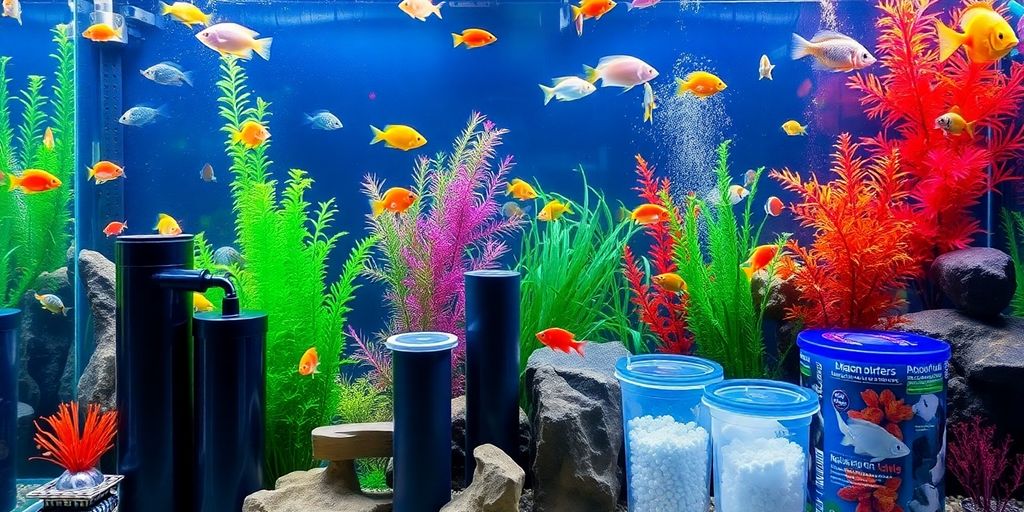
When starting your aquarium journey, selecting the right tank is crucial. The size and type of aquarium you choose will depend on your available space, the fish you want, and your budget.
Glass vs Acrylic Aquariums
- Glass aquariums are generally less expensive and do not scratch easily. They also resist discoloration over time.
- Acrylic aquariums are lighter and less prone to breakage, but they can be more expensive. Ensure that the entire bottom of an acrylic tank is supported.
Where to Place Your Aquarium
- Choose a spot where you spend a lot of time to enjoy your aquarium.
- Avoid direct sunlight to prevent temperature fluctuations and algae growth.
- Ensure the area is away from high traffic to prevent accidents.
Aquarium Sizes for Beginners
- Smaller tanks (like 10-20 gallons) are often recommended for beginners, but larger tanks are more stable and forgiving of mistakes.
- A larger tank can house more fish and is less likely to experience sudden changes in water quality.
Remember, many new aquarists quickly wish they had chosen a larger tank!
Essential Aquarium Equipment
Setting up an aquarium requires several key pieces of equipment to ensure a healthy environment for your fish. Having the right tools is crucial for success. Here’s a breakdown of the essential equipment every aquarist should consider:
Filtration Systems
- Canister Filters: Great for larger tanks, they provide excellent filtration.
- Hang-On-Back Filters: Easy to install and maintain, perfect for beginners.
- Internal Filters: Compact and suitable for smaller aquariums.
Heaters and Thermometers
- Types of Heaters: Choose between submersible, preset, or in-line heaters based on your tank size.
- Thermometers: Essential for monitoring water temperature; consider having a backup.
Lighting Options
- LED Lighting: Energy-efficient and long-lasting, ideal for both fish and plants.
- Fluorescent Lighting: Provides good light for plant growth and fish visibility.
- Specialty Lighting: For specific needs like reef tanks or plant growth.
Remember, the right equipment not only enhances the beauty of your aquarium but also ensures the well-being of your aquatic life.
In summary, a complete list of aquarium essentials for beginners includes filtration systems, heaters, thermometers, and lighting options. These tools are vital for maintaining a clean and healthy environment for your fish, as highlighted in various guides. By investing in quality equipment, you can create a thriving aquatic ecosystem that brings joy and tranquility to your home.
Aquarium Filters and Pumps
Aquarium filters and pumps are essential for keeping your fish tank healthy. They help maintain clean water and provide the right environment for your aquatic friends. Choosing the right filter can make a big difference in your aquarium’s health.
External Filters
External filters, also known as canister filters, are popular for larger aquariums. They sit outside the tank and use a pump to draw water in, filter it, and then return it to the aquarium. Here are some benefits of external filters:
- High filtration capacity: They can hold more filter media.
- Versatile: Suitable for both freshwater and saltwater tanks.
- Quiet operation: Most models run quietly, making them ideal for home use.
Hang-On-Back Filters
Hang-on-back (HOB) filters are easy to install and maintain. They hang on the back of the aquarium and are great for smaller tanks. Some key points include:
- Easy access: You can quickly change the filter media.
- Good for beginners: Simple setup and operation.
- Effective: They provide mechanical and biological filtration.
Internal Filters
Internal filters are placed inside the aquarium. They are compact and can be used in smaller tanks. Here’s what to know:
- Space-saving: Ideal for small aquariums.
- Multi-functional: They can provide filtration and water movement.
- Affordable: Generally less expensive than external filters.
Remember, regular maintenance of your filters is crucial. Clean or replace the filter media as needed to ensure optimal performance.
In summary, selecting the right filter is vital for your aquarium’s success. Whether you choose an external, hang-on-back, or internal filter, each has its unique benefits that can help keep your fish happy and healthy. Don’t forget to consider the size of your aquarium and the type of fish you have when making your choice!
Maintaining Water Quality
Keeping your aquarium water clean is essential for the health of your fish. Regular maintenance is key to ensuring a safe environment. Here are some important aspects to consider:
Using Test Kits
- Test your water regularly for ammonia, nitrite, and nitrate levels.
- Use a reliable test kit to monitor pH and hardness.
- Check for harmful substances that can affect fish health.
Water Conditioners
- Use water conditioners to remove chlorine and chloramines from tap water.
- Consider using a reverse osmosis system if your tap water has high levels of harmful substances.
- Add trace elements to restore essential minerals after treatment.
Regular Water Changes
- Change 10-15% of the water weekly to keep levels stable.
- For heavily stocked tanks, increase the frequency of water changes.
- Always treat new water before adding it to the tank.
| Water Parameter | Ideal Level |
|---|---|
| Ammonia | 0 ppm |
| Nitrite | 0 ppm |
| Nitrate | < 20 ppm |
| pH | 6.5 – 7.5 |
Regular testing and maintenance can prevent many common aquarium problems. Make it a habit to check your water quality to keep your fish happy and healthy!
Selecting the Best Fish Food
Choosing the right food for your fish is crucial for their health and happiness. Different fish have different dietary needs, so understanding what to feed them is essential.
Freshwater Fish Food
Freshwater fish often thrive on a varied diet. Here are some popular options:
- Flakes: Great for surface feeders.
- Pellets: Suitable for most fish, especially those that feed mid-water.
- Frozen Foods: Such as bloodworms or brine shrimp, which many fish find irresistible.
Marine Fish Food
Marine fish require specific nutrients. Consider these types:
- Marine Flakes: Formulated for saltwater species.
- Pellets: Often enriched with vitamins and minerals.
- Freeze-Dried Options: Convenient and nutritious.
Specialty Fish Food
Some fish have unique dietary needs:
- Cichlid Food: High in protein for aggressive feeders.
- Herbivore Food: Contains algae and plant matter for plant-eating fish.
- Betta Food: High in protein to support vibrant colors and health.
| Type of Food | Protein Level | Best For |
|---|---|---|
| Flakes | 30% | Surface Feeders |
| Pellets | 35% | Mid-Water Feeders |
| Freeze-Dried Foods | 40% | All Types |
Remember, a varied diet helps keep your fish healthy and vibrant. Regularly changing their food can also prevent boredom and encourage natural behaviors.
By selecting the right food, you can ensure your fish thrive in their aquatic home!
Aquarium Lighting Essentials
LED Lighting
LED lights are becoming the most popular choice for aquariums. They are energy-efficient and last a long time without losing brightness. Many options are available, including full spectrum lights that can enhance the colors of your fish and plants. For example, the Kessil A360X LED is a great option for both freshwater and saltwater tanks.
Fluorescent Lighting
Fluorescent lights have been a staple in aquariums for years. They are affordable and come in various sizes. However, they do need to be replaced every 10 to 12 months as they can dim over time. Aqueon offers a range of fluorescent fixtures that are suitable for different tank sizes.
Lighting for Plants
If you have live plants in your aquarium, proper lighting is crucial. Plants need a specific light spectrum to thrive. A good rule of thumb is to provide about 12 hours of light per day. Using a timer can help maintain a consistent day/night cycle, which is essential for both plants and fish.
Summary Table of Lighting Options
| Type of Light | Pros | Cons |
|---|---|---|
| LED | Long-lasting, energy-efficient | Higher initial cost |
| Fluorescent | Affordable, widely available | Needs regular replacement |
| Specialty | Tailored for plants and corals | Can be expensive |
Conclusion
Choosing the right lighting for your aquarium is essential for the health of your fish and plants. Proper lighting not only enhances the beauty of your aquarium but also supports the well-being of its inhabitants.
Aquarium Heaters and Temperature Control
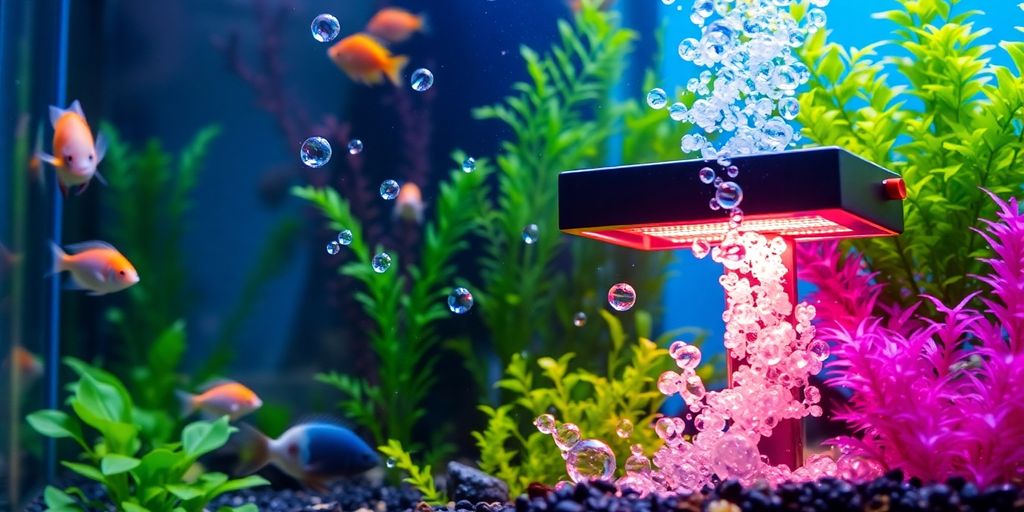
Maintaining the right temperature in your aquarium is crucial for the health of your fish. Aquarium heaters help create a stable environment, especially for tropical fish that thrive in warmer waters. Here’s what you need to know:
Types of Heaters
- Submersible Heaters: These are fully submerged in water and can be adjusted to your desired temperature. For example, the Orlushy submersible aquarium heater is adjustable and comes with a thermometer for easy monitoring.
- Flat Heaters: These compact heaters provide a constant heat supply and are ideal for smaller tanks. They can be hidden behind decorations.
- Preset Heaters: These heaters are set to a specific temperature, usually around 78°F, making them easy to use without adjustments.
Choosing the Right Heater
When selecting a heater, consider the following:
- Tank Size: The heater should match the size of your aquarium. For instance, a 300W heater is suitable for larger tanks.
- Temperature Range: Look for heaters that allow you to set a precise temperature. The Aqueon adjustable pro aquarium heater offers settings from 68°F to 88°F.
- Safety Features: Ensure the heater has an automatic shut-off feature to prevent overheating.
| Heater Type | Recommended Wattage | Suitable Tank Size |
|---|---|---|
| Submersible (e.g., Orlushy) | 50W – 300W | Up to 100 gallons |
| Flat | 15W – 50W | 1 – 6 gallons |
| Preset | 50W – 200W | 10 – 75 gallons |
Tip: Always use a thermometer to monitor the water temperature accurately. This helps ensure your fish are comfortable and healthy.
Conclusion
Choosing the right heater is essential for your aquarium’s success. With the right equipment, you can create a thriving environment for your aquatic pets!
Aquarium Substrate and Decorations
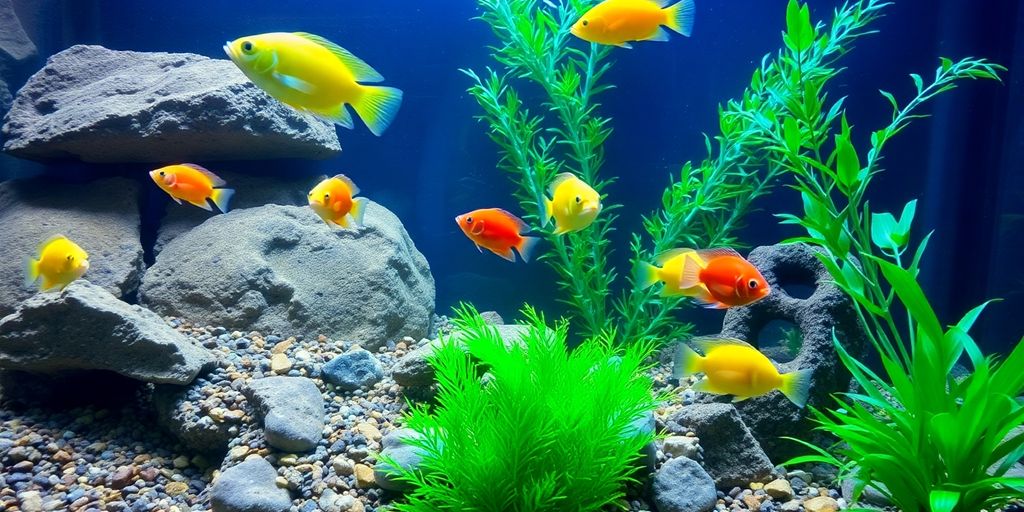
Types of Substrate
Choosing the right substrate is crucial for your aquarium. Common options include:
- Gravel: Great for most fish and easy to clean.
- Sand: Ideal for bottom-dwelling fish like catfish.
- Clay-based substrates: Excellent for planted tanks, as they provide nutrients.
For every gallon of water, you should use about one pound of gravel. Rinse all substrates before adding them to avoid cloudy water.
Decorative Rocks and Driftwood
Decorations are not just for looks; they help fish feel safe. Here are some popular options:
- Rocks: Create hiding spots and territories.
- Driftwood: Adds a natural look and provides shelter.
- Artificial decorations: Easy to maintain and come in various styles.
Remember: Always choose decorations made from safe materials to ensure they don’t harm your fish.
Aquarium Backgrounds
Adding a background can enhance the visual appeal of your aquarium. It hides equipment and creates depth. You can use:
- Store-bought backgrounds: Easy to apply and remove.
- DIY options: Use black trash bags or paint the back of the tank.
A darker background often makes fish colors pop and reduces algae visibility.
Tip: Rearranging decorations can help reduce territorial disputes among fish, especially when introducing new ones.
Summary
In summary, the right substrate and decorations are essential for a healthy aquarium. They provide safety, enhance aesthetics, and contribute to the overall well-being of your fish. Investing in quality materials will pay off in the long run.
Aquarium Kits and Cabinets
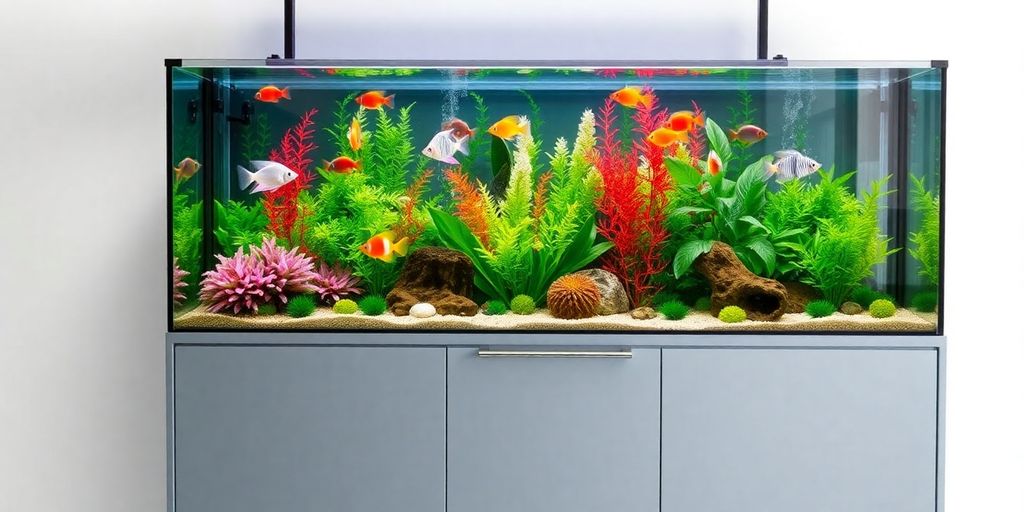
When starting your aquarium journey, aquarium kits are a fantastic choice. They come with everything you need to set up your tank, making it easier for beginners. Here are some key points to consider:
Choosing an Aquarium Kit
- Look for kits that include a tank, filter, heater, and light.
- The Marina 5 Gallon LED Aquarium Kit is ideal for beginners, providing all essentials in one package.
- For a more specialized setup, consider the Fluval Premium Betta Aquarium Kit, which is designed specifically for bettas.
Selecting the Right Cabinet
- Ensure the cabinet can support the weight of your aquarium when filled with water.
- Choose a style that matches your home decor.
- Look for cabinets with storage space for supplies.
DIY Aquarium Stands
- If you prefer a custom look, you can build your own stand. Here are some tips:
- Use sturdy materials like wood or metal.
- Ensure it is level and stable.
- Consider adding shelves for storage.
A well-chosen aquarium kit and cabinet can enhance your fish-keeping experience, making it both enjoyable and visually appealing.
Aquarium Accessories
Aquarium accessories are essential for creating a thriving aquatic environment. These tools not only enhance the beauty of your tank but also ensure the health of your fish. Here are some must-have accessories:
Nets and Siphons
- Fish Nets: Useful for catching fish without harming them.
- Siphons: Great for cleaning the substrate and removing debris.
- Algae Scrubbers: Help keep your tank clean and clear of unwanted algae.
Algae Scrubbers
Algae scrubbers are vital for maintaining a clean aquarium. They help remove algae buildup on the glass and decorations, ensuring a clear view of your aquatic life.
Quarantine Tanks
Setting up a quarantine tank is crucial for new fish. This allows you to monitor their health before introducing them to your main tank, preventing potential disease spread.
Remember, investing in quality accessories can significantly improve your aquarium’s ecosystem and the well-being of your fish.
In summary, having the right accessories like nets, siphons, and quarantine tanks can make a big difference in maintaining a healthy aquarium. Choose wisely to create a beautiful underwater world!
Aquarium Filter Media
Aquarium filter media is essential for keeping your fish tank clean and healthy. It helps in removing waste and toxins from the water, ensuring a safe environment for your aquatic life. Choosing the right filter media can significantly improve your aquarium’s water quality.
Biological Filter Media
Biological filter media provides a home for beneficial bacteria that break down harmful substances like ammonia and nitrite. Common types include:
- Ceramic rings
- Sponge filters
- Bio balls
These materials have a large surface area, which is ideal for bacteria growth. For example, the Fluval Bio-FX is a popular choice, suitable for various aquariums and filters.
Chemical Filter Media
Chemical filter media is used to remove dissolved pollutants from the water. This includes:
- Activated carbon
- Ion exchange resins
- Zeolite
These materials help in eliminating odors and discoloration in the water. For instance, products like Aquael Nitromax Pro are effective in maintaining water clarity.
Mechanical Filter Media
Mechanical filter media physically removes debris and particles from the water. Common options include:
- Filter pads
- Foam sponges
- Mesh bags
These materials should be cleaned or replaced regularly to maintain optimal performance.
| Type of Media | Purpose | Replacement Frequency |
|---|---|---|
| Biological | Supports beneficial bacteria | Every 6-12 months |
| Chemical | Removes toxins and odors | Every 1-3 months |
| Mechanical | Traps debris and particles | Weekly to monthly |
Remember, using a combination of these filter media types can lead to a healthier aquarium environment. Regular maintenance is key to keeping your fish happy and healthy!
If you want to keep your aquarium clean and your fish happy, choosing the right filter media is key. Our selection includes everything from replacement cartridges to biological and chemical options. Don’t wait—visit our website today to find the perfect filter media for your tank!
Final Thoughts on Essential Aquarium Supplies
In summary, setting up a successful aquarium is a rewarding adventure. It’s not just about having fish; it’s about creating a beautiful and healthy space for them. Each item you choose, from the basics to the fun extras, plays an important role in making your aquarium thrive. Take your time to pick the right supplies, as happy fish lead to a happy tank!
Frequently Asked Questions
What size aquarium should I get as a beginner?
For beginners, a 20-gallon tank is a good choice. It’s big enough for fish to thrive but still manageable for a new aquarist.
Do I need a filter for my aquarium?
Yes, a filter is essential. It keeps the water clean and healthy by removing waste and toxins.
How often should I change the water in my aquarium?
It’s best to change about 10-15% of the water every week to keep it fresh and clear.
What type of food should I buy for my fish?
Choose food based on the type of fish you have. Freshwater fish often enjoy flakes, while tropical fish may prefer pellets.
How do I know if my fish are healthy?
Healthy fish are active, eat regularly, and have bright colors. Look for signs of illness like unusual swimming or spots.
What is the best way to clean the aquarium?
Use a gravel vacuum to clean the substrate, and wipe the glass with a soft cloth. Avoid using soap.
Can I keep different types of fish together?
Some fish can live together, but you need to check their compatibility. Research which species get along.
How do I set up my aquarium for the first time?
Start by rinsing the tank, adding substrate, setting up the filter and heater, and then filling it with water before adding fish.