Setting up a fish tank can be an exciting journey for beginners. With the right guidance, anyone can create a thriving aquatic environment. This article will provide essential tips to help you choose the perfect fish tank and ensure your fish live happily and healthily.
Key Takeaways
- Choose a larger tank for better stability and easier maintenance.
- Place the tank in a quiet, well-lit area but avoid direct sunlight.
- Regularly test water quality to keep fish healthy.
- Select the right substrate and decorations for a natural look.
- Start with a few fish and gradually add more as the tank stabilizes.
Understanding the Basics of a Fish Tank for Beginners
Why Choose a Fish Tank?
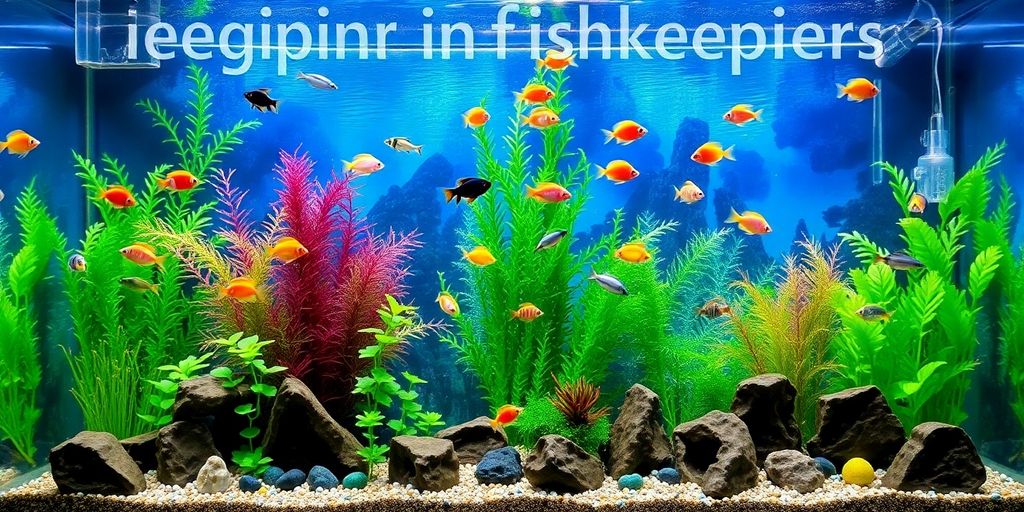
Starting a fish tank can be a rewarding hobby. Fish keeping allows you to create a beautiful underwater world right in your home. It’s a great way to learn about aquatic life and enjoy the calming effects of watching fish swim.
Benefits of Fish Keeping
- Stress Relief: Watching fish can reduce stress and anxiety.
- Educational: You learn about ecosystems and the needs of different species.
- Aesthetic Appeal: A well-maintained tank adds beauty to your space.
Common Misconceptions
- Fish are easy to care for: Many beginners think fish require little maintenance, but they need proper care and attention.
- All fish can live together: Not all fish are compatible; some can be aggressive.
- Smaller tanks are easier: Smaller tanks can be harder to maintain due to rapid changes in water quality.
Remember, a healthy aquarium requires regular maintenance and monitoring. Taking the time to understand your fish’s needs will lead to a thriving aquatic environment.
Summary
Understanding the basics of fish keeping is essential for beginners. By choosing the right tank, knowing the benefits, and dispelling common myths, you can set yourself up for success in this enjoyable hobby!
Selecting the Right Size for Your Fish Tank
Importance of Tank Size
Choosing the right size for your fish tank is crucial. A larger tank provides a more stable environment for your fish, which helps them thrive. It also allows for better water quality management, as larger volumes dilute toxins more effectively.
Recommended Sizes for Beginners
For beginners, here are some common tank sizes:
| Tank Size (Gallons) | Suitable For |
|---|---|
| 10 | Small fish species |
| 20 | A few medium fish |
| 30 | Multiple small fish |
| 55 | Larger fish or more variety |
Space Considerations
When selecting a tank, consider the space you have available. Here are some tips:
- Measure the area where you plan to place the tank.
- Ensure the surface can support the weight of a full tank, which can exceed 10 pounds per gallon.
- Avoid placing the tank in direct sunlight or near heating/cooling vents to maintain stable water temperatures.
Remember, the right tank size is the first step to a successful aquarium. It sets the stage for a healthy aquatic environment and happy fish!
Choosing the Best Location for Your Fish Tank
Avoiding Direct Sunlight
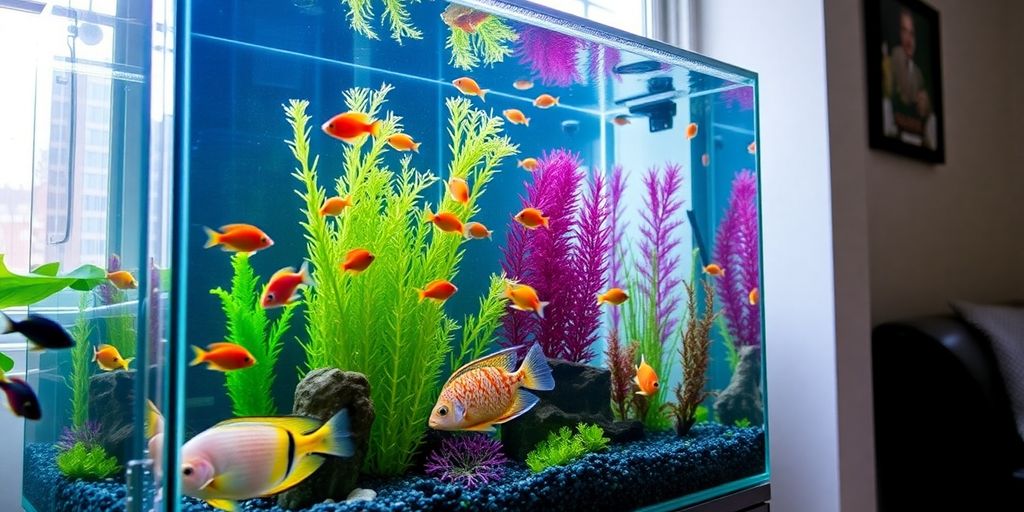
When selecting a spot for your fish tank, avoid placing it in direct sunlight. Sunlight can cause the water temperature to rise too high, which can be harmful to your fish. Instead, look for a location that stays cool and shaded throughout the day.
Proximity to Electrical Outlets
Make sure your fish tank is near an electrical outlet. This is important for powering essential equipment like filters, heaters, and lights. If there are no outlets nearby, consider using a safe extension cord to avoid any hazards.
Accessibility for Maintenance
Choose a location that is easy to access for regular maintenance. You’ll need to clean the tank, change the water, and check the equipment regularly. A spot that is too cramped or hard to reach can make these tasks difficult and time-consuming.
Remember, the right location can make a big difference in the health of your fish and the ease of maintaining your tank.
Summary of Key Considerations
| Consideration | Importance |
|---|---|
| Avoid Direct Sunlight | Prevents overheating and algae growth |
| Proximity to Outlets | Ensures easy access to power for equipment |
| Accessibility for Maintenance | Simplifies cleaning and upkeep tasks |
Essential Equipment for a Fish Tank for Beginners
Setting up a fish tank can be exciting, but having the right equipment is crucial for success. Here are the essential items you will need:
Filtration Systems
A good filtration system is vital for keeping the water clean and safe for your fish. Choose a filter that can handle at least 3-5 times the volume of your tank per hour. Here are some popular options:
- Hang-on-back filters: Great for smaller tanks.
- Canister filters: Ideal for larger setups.
- Internal filters: Good for smaller aquariums.
Heating Solutions
If you plan to keep tropical fish, a heater is necessary. It helps maintain a stable temperature, which is essential for fish health. Look for:
- Adjustable heaters: Allow you to set the desired temperature.
- Submersible heaters: Fit well in most tanks.
Lighting Options
Proper lighting is important for both fish and plants. It helps in plant growth and enhances the beauty of your aquarium. Consider:
- LED lights: Energy-efficient and long-lasting.
- Fluorescent lights: Good for plant growth.
Additional Equipment
- Aquarium stand: Provides sturdy support for your tank and can offer storage space.
- Substrate: Choose gravel or sand that suits your fish and plants.
- Water test kits: Essential for monitoring water quality.
Remember, investing in quality equipment will help create a healthy environment for your fish and make your aquarium experience enjoyable.
Summary Table of Essential Equipment
| Equipment Type | Purpose |
|---|---|
| Filtration System | Keeps water clean and safe |
| Heater | Maintains stable water temperature |
| Lighting | Supports plant growth and aesthetics |
| Stand | Provides support and storage |
| Substrate | Base for plants and fish |
| Water Test Kits | Monitors water quality |
Water Quality and Maintenance Tips
Importance of Water Testing
Maintaining good water quality is crucial for the health of your fish. Regular testing helps you catch problems early. You can use an aquarium water test kit to check for ammonia, nitrite, nitrate, and pH levels. Here’s a simple table to guide you:
| Parameter | Ideal Range |
|---|---|
| Ammonia | 0 ppm |
| Nitrite | 0 ppm |
| Nitrate | < 20 ppm |
| pH | 6.5 – 7.5 |
Using Water Conditioners
When you add tap water to your tank, always treat it with a water conditioner. This removes harmful chemicals like chlorine and chloramine. Here are some steps to follow:
- Dechlorinate your tap water before adding it to the tank.
- Match the temperature of the new water to the tank water to avoid shocking your fish.
- Use a water conditioner that is suitable for your local water supply.
Regular Cleaning Routine
Keeping your tank clean is essential for fish health. Make water changes part of your weekly tasks. Here are some tips:
- Use a gravel vacuum to clean debris from the substrate as you remove water.
- Change 10-15% of the water weekly to keep it fresh.
- Clean the filter every month to ensure it works effectively.
Remember, a clean tank leads to happy fish! Regular maintenance will help you avoid common issues like cloudy water or high ammonia levels.
Conclusion
By following these tips, you can create a safe and healthy environment for your fish. Regular testing, using conditioners, and maintaining a cleaning routine are key to successful fishkeeping!
Selecting the Right Substrate and Decorations
Types of Substrate
Choosing the right substrate is crucial for your fish tank. Here are some common options:
- Aquarium Gravel: Great for most fish and easy to clean.
- Sand: Ideal for bottom-dwelling fish but can be tricky to maintain.
- Plant Substrate: Best for planted tanks, providing nutrients for plants.
Decorative Elements
Decorations not only enhance the look of your tank but also provide hiding spots for fish. Consider these:
- Rocks and Driftwood: Natural elements that create a more realistic environment.
- Artificial Plants: Easy to maintain and come in various styles.
- Backgrounds: Use dark colors to help fish stand out and hide equipment.
Creating a Natural Habitat
To make your fish feel at home, follow these tips:
- Research the natural habitat of your fish species.
- Add hiding spots using rocks or plants.
- Avoid overcrowding to give fish space to swim.
Remember: A well-decorated tank can reduce fish stress and promote healthy behavior.
Summary Table
| Substrate Type | Benefits | Considerations |
|---|---|---|
| Aquarium Gravel | Easy to clean | Can trap waste |
| Sand | Good for certain fish | Difficult to clean |
| Plant Substrate | Nutrient-rich for plants | More expensive |
Choosing the Right Fish for Beginners
Popular Beginner Fish Species
When starting your aquarium, it’s important to choose fish that are easy to care for. Here are some popular options:
- Guppies: Colorful and lively, they are great for beginners.
- Neon Tetras: Small and peaceful, they add a beautiful touch to any tank.
- Betta Fish: Known for their vibrant colors, they are hardy and easy to maintain.
- Zebra Danios: Active and resilient, they thrive in various conditions.
- Corydoras Catfish: Bottom dwellers that help keep the tank clean.
Compatibility of Fish
Not all fish get along. Here are some tips to ensure a peaceful tank:
- Research: Look into the temperament of each species.
- Group Size: Some fish prefer to be in schools, while others are solitary.
- Tank Size: Ensure your tank is large enough to accommodate all fish comfortably.
Quarantine Procedures
Before introducing new fish to your main tank, consider these steps:
- Isolation: Keep new fish in a separate tank for at least two weeks.
- Observation: Watch for any signs of illness or stress.
- Treatment: If any issues arise, treat them before adding to the main tank.
Choosing the right fish is crucial for a successful aquarium. Starting with hardy species can help you learn the ropes of fishkeeping without overwhelming challenges.
By following these guidelines, you can create a thriving aquatic environment that is both beautiful and enjoyable!
Feeding Your Fish: Tips and Recommendations
Types of Fish Food
When it comes to feeding your fish, choosing the right food is essential. Here are some common types:
- Flakes: Great for most fish, easy to digest.
- Pellets: Good for larger fish, provides balanced nutrition.
- Freeze-Dried: A treat that can enhance color and health.
Feeding Schedules
Establishing a feeding routine helps keep your fish healthy. Here’s a simple schedule:
- Twice a day: Feed small amounts that can be consumed in about 5 minutes.
- Observe: Watch your fish to ensure they are eating well.
- Adjust: If food is left over, reduce the amount next time.
Avoiding Overfeeding
Overfeeding can harm your fish and pollute the water. Here are tips to prevent it:
- Only feed what they can eat in a few minutes.
- Skip a day if you notice uneaten food.
- Use a timer to help maintain a consistent schedule.
Remember, a healthy fish is a happy fish! Regular feeding and proper amounts are key to their well-being.
Understanding the Nitrogen Cycle
What is the Nitrogen Cycle?
The nitrogen cycle is a natural process that helps keep your aquarium healthy. It involves beneficial bacteria that break down waste products, making the water safe for your fish. Understanding this cycle is crucial for maintaining a thriving aquatic environment.
Steps to Cycle Your Tank
- Add Ammonia: Start by introducing ammonia into your tank, which comes from fish waste, uneaten food, or decaying plants.
- Beneficial Bacteria Growth: Over time, bacteria will grow in your filter and substrate, converting ammonia into nitrite.
- Nitrite to Nitrate: Another type of bacteria will then convert nitrite into nitrate, which is less harmful to fish.
- Regular Water Changes: To keep nitrate levels low, perform regular water changes.
Monitoring Ammonia and Nitrite Levels
It’s essential to keep an eye on ammonia and nitrite levels during the cycling process. Use a test kit to check these levels regularly. Here’s a simple table to help you track:
| Parameter | Ideal Level | Action Needed |
|---|---|---|
| Ammonia | 0 ppm | Add more bacteria or do a water change |
| Nitrite | 0 ppm | Same as above |
| Nitrate | < 20 ppm | Perform a water change if higher |
Remember, patience is key! The cycling process can take several weeks, but it’s worth it for a healthy tank.
Importance of the Nitrogen Cycle
The nitrogen cycle is vital for your fish’s health. It helps prevent toxic buildup in the water, ensuring a safe habitat for your aquatic friends. By understanding and monitoring this cycle, you can create a thriving aquatic environment.
Common Mistakes to Avoid for Beginners
Overcrowding the Tank
One of the biggest mistakes beginners make is overcrowding their fish tank. This can lead to poor water quality and stressed fish. Here are some tips to avoid this:
- Research the adult size of fish before buying.
- Follow the one inch per gallon rule for stocking.
- Consider the swimming space each species needs.
Skipping the Cycling Process
Many new fish keepers rush into adding fish without cycling their tank. Cycling is crucial for establishing beneficial bacteria that break down waste. To cycle your tank:
- Set up your tank with substrate and decorations.
- Add a source of ammonia (like fish food) to start the cycle.
- Test water parameters regularly until ammonia and nitrite levels drop to zero.
Inconsistent Maintenance
Regular maintenance is key to a healthy aquarium. Inconsistent maintenance can lead to problems like algae blooms and fish illness. Here’s a simple routine:
- Change 10-15% of the water weekly.
- Test water quality at least once a week.
- Clean the filter and decorations monthly.
Remember, a well-maintained tank is a happy tank! Keeping a consistent schedule will help your fish thrive and reduce stress for both you and your aquatic friends.
Creating a Thriving Aquatic Environment
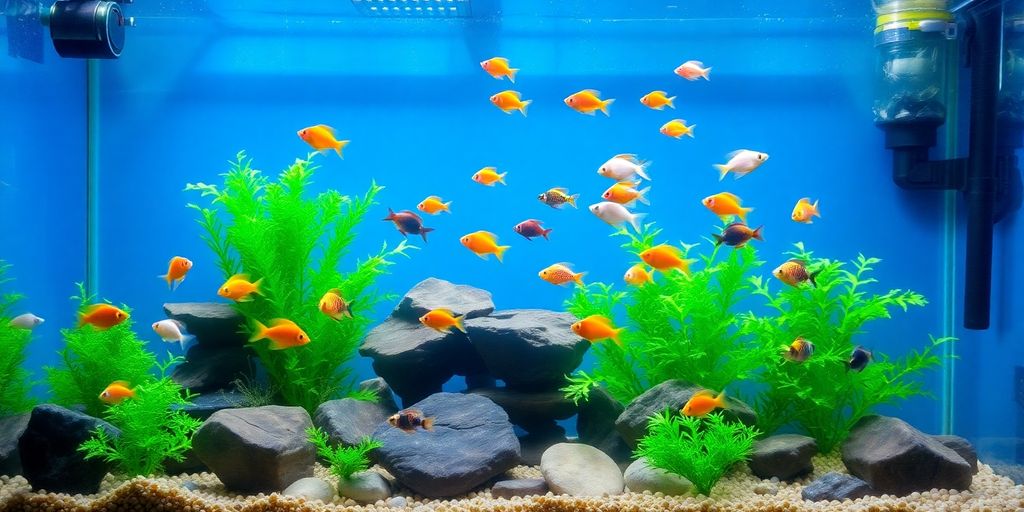
Creating a healthy home for your fish is essential. A well-balanced aquatic environment not only keeps your fish happy but also enhances the beauty of your tank. Here are some key points to consider:
Balancing Fish and Plants
- Choose the right plants: Live plants can help maintain water quality and provide hiding spots for fish.
- Mix different types: Use a variety of plants to create a natural look and improve oxygen levels.
- Consider fish needs: Some fish prefer more open spaces, while others like dense vegetation.
Maintaining Water Parameters
- Regular testing: Use test strips to monitor pH, ammonia, nitrite, and nitrate levels. This helps ensure a safe environment for your fish.
- Water changes: Change 10-15% of the water weekly to keep it fresh and clean.
- Use conditioners: Always add a water conditioner when using tap water to remove harmful chemicals.
Ensuring Fish Health
- Feed properly: Provide a balanced diet and avoid overfeeding, which can pollute the water.
- Observe behavior: Keep an eye on your fish for signs of stress or illness, such as unusual swimming patterns or loss of appetite.
- Quarantine new fish: Always quarantine new fish for at least two weeks before adding them to your main tank to prevent disease spread.
Remember, creating a thriving aquatic environment takes time and patience. Regular maintenance and observation are key to a successful aquarium.
By following these tips, you can create a beautiful and healthy home for your fish, making your aquarium a vibrant part of your living space. For best fish tank ideas for small aquariums, consider combining live plants with minimalist decor to highlight the vibrant colors of your fish, making the tank more visually appealing. Discover essential tips for creating a thriving fish aquarium, from tank selection to fish care, and design your aquatic paradise with precision!
Budgeting for Your Fish Tank Setup
Setting up a fish tank can be exciting, but it’s important to plan your budget carefully. Understanding the costs involved will help you avoid surprises later. Here’s a breakdown of what to consider:
Initial Costs
- Aquarium: The size and type of tank you choose will greatly affect the price. A basic 10-gallon tank can start around $50, while larger tanks can cost significantly more.
- Equipment: Essential items include:
- Filter: $30 – $200
- Heater: $20 – $100
- Lighting: $20 – $150
- Substrate and Decorations: Depending on your choices, this can range from $20 to $100.
Ongoing Expenses
- Fish Food: $10 – $30 per month
- Water Conditioners: $5 – $20 per month
- Electricity: Monthly costs can vary based on equipment used.
Cost-Saving Tips
- Buy Used Equipment: Check local listings for second-hand tanks and gear.
- Start Small: A smaller tank is cheaper and easier to maintain.
- DIY Decor: Create your own decorations instead of buying expensive ones.
| Item | Estimated Cost |
|---|---|
| Aquarium | $50 – $500 |
| Filter | $30 – $200 |
| Heater | $20 – $100 |
| Lighting | $20 – $150 |
| Substrate & Decor | $20 – $100 |
| Fish Food (monthly) | $10 – $30 |
Remember, investing in quality equipment can save you money in the long run by reducing maintenance costs and ensuring a healthy environment for your fish.
Setting up a fish tank can be exciting, but it’s important to plan your budget carefully. From the tank itself to filters, heaters, and food, costs can add up quickly. Make sure to check out our website for tips and affordable products to help you get started on your aquatic adventure!
Final Thoughts on Choosing Your First Fish Tank
Selecting the right fish tank is a big step for anyone starting in fish keeping. Remember to think about the size, type, and location of your tank. A larger tank is often easier to manage because it helps keep the water stable. Make sure to pick a spot that avoids direct sunlight and is near a power source. Don’t forget to get the right equipment, like filters and heaters, to keep your fish healthy. Lastly, always test your water regularly to ensure it’s safe for your fish. With these tips, you’ll be well on your way to creating a happy home for your aquatic friends!
Frequently Asked Questions
What size fish tank is best for beginners?
A 10-gallon tank is a good starting point for beginners, but larger tanks are often easier to maintain. More water helps dilute waste and keeps the environment stable.
How do I set up a fish tank?
Start by cleaning the tank and adding substrate. Install the filter and heater, then fill it with water. Add decorations and plants, and let the tank cycle for a few weeks before adding fish.
What fish are good for beginners?
Some popular beginner fish include bettas, guppies, and tetras. It’s best to choose fish that are known to get along well.
How often should I change the water in my fish tank?
You should change about 25% of the water every two weeks to keep the tank clean and healthy.
What should I feed my fish?
Fish food varies by species, but most fish do well with flakes or pellets. Make sure to feed them in small amounts to avoid overfeeding.
How do I test the water quality in my tank?
You can use water test strips to check for ammonia, nitrite, nitrate, and pH levels. Regular testing helps ensure a healthy environment for your fish.
Why is the nitrogen cycle important?
The nitrogen cycle helps break down waste in the tank, making it safe for fish. It creates beneficial bacteria that convert harmful substances into less harmful ones.
What common mistakes should beginners avoid?
Avoid overcrowding the tank, skipping the cycling process, and inconsistent maintenance. These mistakes can harm your fish and disrupt the tank’s balance.