Setting up a saltwater aquarium can be an exciting and fulfilling hobby. This guide will help you find the best saltwater fish shops, understand what to look for, and give you key tips to ensure your aquatic adventure is successful. Whether you are a beginner or a seasoned fish keeper, knowing where to shop and what to consider is essential for creating a healthy underwater environment.
Key Takeaways
- Research local fish shops for quality supplies.
- Choose equipment that matches your aquarium size.
- Select fish that can coexist peacefully.
- Follow a detailed setup guide for your tank.
- Regular maintenance is key to a thriving aquarium.
Finding the Perfect Salt Water Fish Shop
When you’re on the hunt for the ideal salt water fish shop, there are a few key things to keep in mind. Choosing the right store can greatly enhance your fishkeeping experience. Here’s what to consider:
What to Look for in a Salt Water Fish Shop
- Variety of Fish: Look for shops that offer a wide selection of salt water fish.
- Healthy Stock: Ensure the fish appear healthy and well-cared for.
- Knowledgeable Staff: Staff should be able to provide advice on fish compatibility and care.
Benefits of Shopping at a Local Store
- Personalized Service: Local shops often provide tailored advice based on your specific needs.
- Community Support: Shopping locally helps support your community and local economy.
- Immediate Availability: You can take your fish home right away, avoiding shipping delays.
How to Identify a Reputable Shop
- Customer Reviews: Check online reviews to gauge customer satisfaction.
- Store Cleanliness: A clean store often indicates good care for the fish.
- Return Policy: A good shop will have a clear return policy for fish and equipment.
Finding the right local store can make all the difference in your aquarium journey. Whether you’re a beginner or an experienced hobbyist, these stores offer valuable resources and support to help you succeed in your saltwater aquarium adventure.
Top Salt Water Fish Species for Your Aquarium
Popular Salt Water Fish Varieties
When it comes to choosing fish for your saltwater aquarium, there are many exciting options. Here are some popular choices:
- Clownfish: Known for their bright colors and friendly nature.
- Tangs: Great for controlling algae and come in various colors.
- Gobies: Small and peaceful, perfect for community tanks.
Beginner-Friendly Salt Water Fish
If you’re new to fishkeeping, consider these beginner-friendly species:
- Ocellaris Clownfish: Easy to care for and very popular.
- Royal Gramma: Colorful and hardy, making it a great choice.
- Damselfish: Resilient and adaptable, perfect for beginners.
Rare and Exotic Salt Water Fish
For those looking to add a unique touch to their aquarium, consider these rare options:
- Mandarinfish: Known for their stunning colors but require special care.
- Butterflyfish: Beautiful but can be challenging to keep.
- Lionfish: Striking appearance but needs careful handling due to venomous spines.
Choosing the right fish is crucial for a successful aquarium. Make sure to research each species to ensure they fit well in your tank environment.
| Fish Type | Difficulty Level | Size (inches) | Lifespan (years) |
|---|---|---|---|
| Clownfish | Easy | 3-5 | 6-10 |
| Tangs | Moderate | 6-12 | 5-15 |
| Gobies | Easy | 2-4 | 3-5 |
| Mandarinfish | Hard | 3-4 | 10-15 |
| Lionfish | Hard | 10-15 | 5-15 |
Essential Equipment for a Salt Water Aquarium
Setting up a saltwater aquarium requires specific equipment to ensure a healthy environment for your fish. Here’s a breakdown of the essential tools you’ll need:
Aquarium Filters and Pumps
Filters are vital for keeping the water clean and safe for your fish. They help remove waste and toxins. Here are some common types:
- Hang-On-Back Filters: Easy to install and maintain.
- Canister Filters: Ideal for larger tanks, providing excellent filtration.
- Internal Filters: Compact and suitable for smaller tanks.
Protein and Surface Skimmers
A protein skimmer is crucial for removing organic waste before it breaks down in the water. This helps maintain water quality and keeps your fish healthy. Investing in a good skimmer can greatly improve your aquarium’s environment.
Aquarium Heaters and Lights
Maintaining the right temperature is essential for your fish. Most saltwater fish thrive in temperatures between 75°F and 80°F. Here are some options:
- Submersible Heaters: Placed directly in the water, they are very effective.
- Inline Heaters: Installed in the filtration system, they are less visible and can be more efficient.
Summary Table of Essential Equipment
| Equipment Type | Purpose | Example Product |
|---|---|---|
| Aquarium Filters | Maintain water quality | Hang-On-Back Filter |
| Protein Skimmers | Remove organic waste | Fluval Sea PS2 Mini Protein Skimmer |
| Aquarium Heaters | Maintain stable temperature | Eheim Jager 25 Watt Heater |
| Water Testing Kits | Monitor water parameters | Advatec Master Test Strip Kit |
Remember, having the right equipment is key to a successful saltwater aquarium. It not only helps in maintaining a healthy environment but also enhances your overall experience as a hobbyist!
Choosing the Right Fish Food
Feeding your saltwater fish a balanced diet is essential for their health and happiness. Choosing the right fish food can make a big difference in their growth and color. Here are some key points to consider:
Types of Fish Food Available
- Flakes: Easy to use and digest, great for surface feeders.
- Pellets: Nutrient-rich and suitable for larger fish.
- Freeze-Dried: Retains nutrients and flavor, a tasty treat.
- Live Food: Such as brine shrimp, encourages natural hunting behavior.
Nutritional Needs of Salt Water Fish
A balanced diet helps:
- Promote vibrant colors.
- Support growth and development.
- Strengthen the immune system.
How to Feed Your Fish Properly
- Avoid Overfeeding: Too much food can harm your fish and pollute the water.
- Consider Species Needs: Different fish have different diets; some are herbivores, others are carnivores.
- Rotate Foods: Varying their diet keeps them interested and ensures they get all necessary nutrients.
Remember, providing a balanced diet that includes a mix of flakes, pellets, live, and freeze-dried foods is essential for your fish’s well-being!
Maintaining Water Quality in Your Salt Water Tank
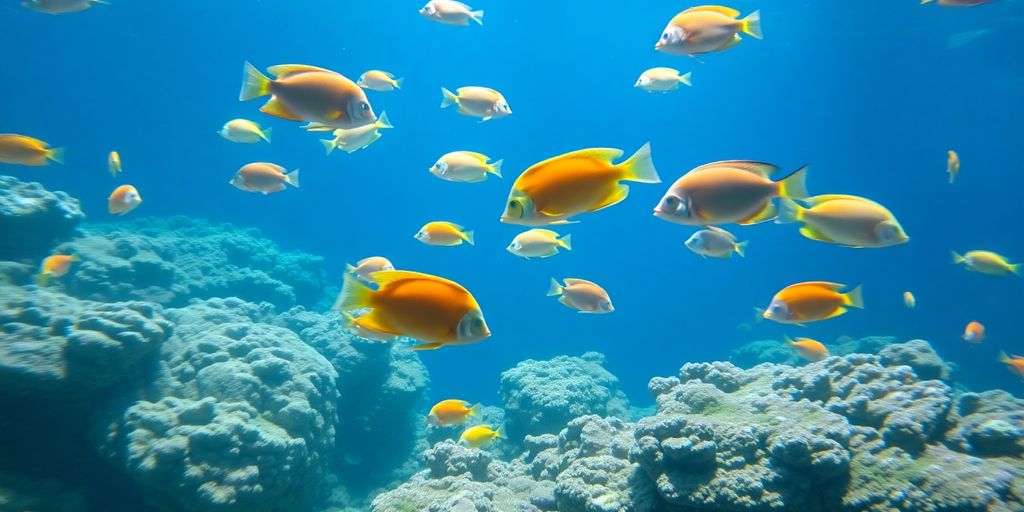
Keeping your saltwater fish tank healthy is essential for the well-being of your aquatic life. Regular monitoring of water quality is crucial to prevent issues that can harm your fish. Here are some key components to consider:
Importance of Water Testing
Using water testing kits is vital for checking the health of your aquarium. The Advatec 5 in 1 aquarium test strips are a great choice, as they measure pH, hardness, nitrite, and nitrate levels. These strips help ensure optimal conditions for your fish. Here’s a quick overview of what to test:
| Parameter | Ideal Range |
|---|---|
| pH | 7.8 – 8.4 |
| Ammonia | 0 ppm |
| Nitrite | 0 ppm |
| Nitrate | < 20 ppm |
Filtration Systems
A good filtration system is essential for maintaining clean water. Here are some types to consider:
- Canister Filters: Great for larger tanks and provide excellent filtration.
- Hang-On-Back Filters: Easy to install and maintain, suitable for smaller tanks.
- Protein Skimmers: Help remove organic waste before it breaks down.
Regular Maintenance Tips
To keep your tank in top shape, follow these maintenance tips:
- Perform regular water changes: Change 10-15% of the water weekly to keep levels stable.
- Clean the substrate: Use a gravel vacuum to remove waste and debris.
- Check equipment regularly: Ensure filters and heaters are functioning properly.
Maintaining water quality is not just about testing; it’s about creating a balanced environment for your fish to thrive. Regular checks and maintenance can prevent many common issues.
By following these guidelines, you can ensure a healthy and vibrant saltwater aquarium for your fish.
Setting Up Your First Salt Water Aquarium
Setting up your first saltwater aquarium can be an exciting journey! Here’s a simple guide to help you get started:
Step-by-Step Guide to Setting Up
- Choose Your Tank Size: A 10 to 20-gallon tank is great for beginners.
- Gather Equipment: You’ll need a filter, heater, and lighting. Consider a stylish option like the Fluval Sea Evo V.
- Add Substrate and Rock: Use sand or gravel as the base, and add live rock for a natural look.
- Fill with Water: Use a saltwater mix to create the right environment.
- Cycle the Tank: Add a piece of shrimp to kickstart the nitrogen cycle. Wait about 4-6 weeks before adding fish.
Common Mistakes to Avoid
- Skipping the Cycle: Don’t rush this step; it’s crucial for fish health.
- Overcrowding: Start with a few fish and gradually add more.
- Ignoring Water Quality: Regularly test your water to keep it safe for your fish.
Tips for a Successful Setup
- Invest in quality equipment to ensure a healthy environment for your fish.
- Choose the right tank size to maintain stable water conditions.
- Understand the dietary needs of your fish to keep them healthy.
Remember, only you can build a saltwater tank, but we want to help provide you with some inspiration!
Aquarium Accessories and Decorations
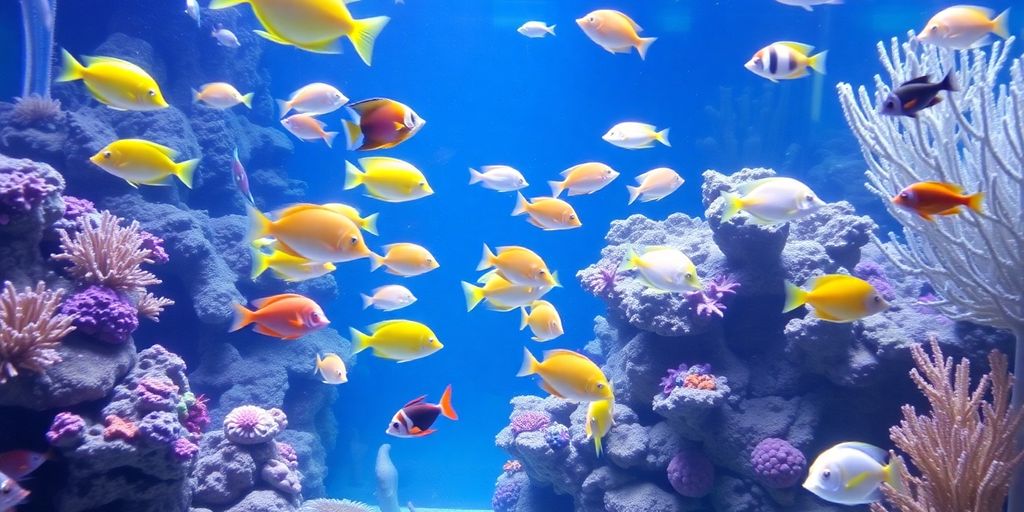
Creating a beautiful and healthy aquarium involves more than just fish; the right accessories and decorations can make a big difference. Decorative elements like live rocks, coral replicas, and marine-themed ornaments add depth and character to your saltwater tank, allowing you to create a stunning underwater world.
Choosing the Right Decorations
When selecting decorations for your aquarium, consider the following:
- Aquatic Plants: They provide shelter and improve water quality.
- Rocks and Caves: These create hiding spots for fish, making them feel secure.
- Substrate: Choose between gravel or sand for the bottom of your tank.
Benefits of Aquarium Plants
Aquatic plants not only enhance the beauty of your aquarium but also serve important functions:
- Oxygen Production: They help maintain oxygen levels in the water.
- Natural Filtration: Plants can absorb harmful substances, improving water quality.
- Habitat: They provide a natural environment for fish to thrive.
| Decoration Type | Description | Price Range |
|---|---|---|
| Ornaments | Castle, coral, or boat designs | $15.99 – $39.99 |
| Live Rock | Natural filtration and habitat | Varies by weight |
| Plants | Adds color and oxygen | $5.00 – $20.00 |
Remember, the right decorations can make your aquarium a stunning centerpiece in your home. Consider your fish’s needs and preferences when decorating!
Health and Wellness of Salt Water Fish
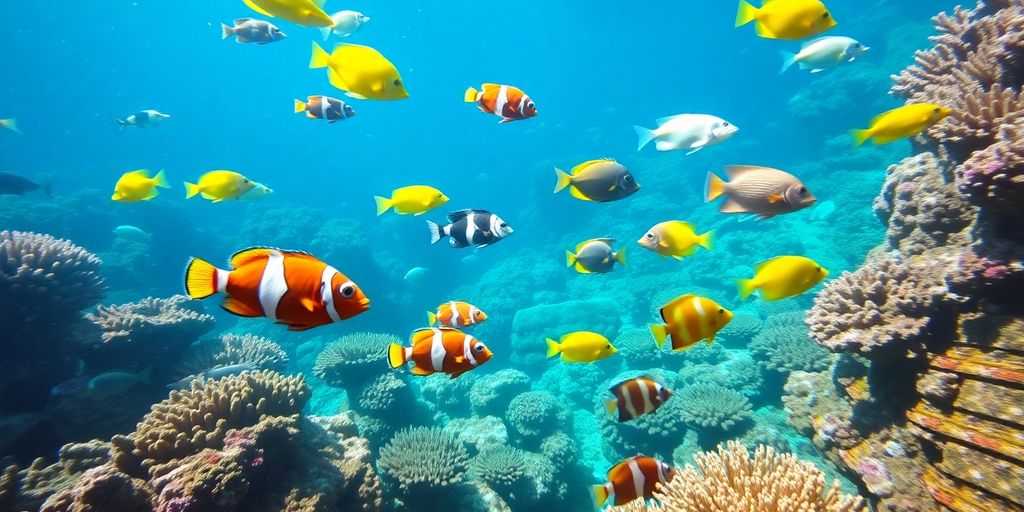
Signs of a Healthy Fish
To ensure your fish are thriving, look for these signs:
- Bright colors and clear eyes
- Active swimming behavior
- Healthy appetite
Regular monitoring is key! Keeping an eye on your fish can help catch any issues early.
Common Fish Diseases and Treatments
Fish can suffer from various diseases. Here are some common ones:
- Ich (White Spot Disease): Treat with medication and raise water temperature.
- Fin Rot: Improve water quality and use antibacterial treatments.
- Swim Bladder Disorder: Adjust diet and check water conditions.
| Disease | Symptoms | Treatment |
|---|---|---|
| Ich | White spots on fish | Medication, heat adjustment |
| Fin Rot | Frayed fins | Improve water quality |
| Swim Bladder Disorder | Difficulty swimming | Diet adjustment |
Preventative Measures for Fish Health
To keep your fish healthy, follow these tips:
- Maintain water quality: Regularly test pH, ammonia, and nitrate levels.
- Quarantine new fish: Isolate new arrivals for at least two weeks.
- Feed a balanced diet: Ensure your fish get a variety of foods.
Remember, a healthy fish is a happy fish! Regular care and attention can prevent many health issues.
Community and Support for Aquarium Enthusiasts
Joining Local Clubs and Organizations
Being part of a local aquarium club can be a fantastic way to meet other fish lovers. Here are some benefits:
- Networking: Connect with fellow hobbyists and share your experiences.
- Knowledge Sharing: Learn from others about best practices and tips.
- Events: Join local events and workshops to enhance your skills.
Online Forums and Groups
Online communities are also great resources. For instance, the fish forum is a popular place for discussions about saltwater tanks. You can:
- Ask questions and get advice from experienced members.
- Share your own experiences and learn from others.
- Find local meetups and events.
Workshops and Events
Attending workshops can really boost your skills. Look for:
- Hands-on training: Learn about tank setup and maintenance.
- Guest speakers: Gain insights from experts in the field.
- Product demonstrations: See new equipment in action.
Joining a community can make your aquarium journey more enjoyable and successful. Don’t hesitate to reach out and connect!
Shopping Online vs. In-Store for Aquarium Supplies
When it comes to buying aquarium supplies, you have two main options: shopping online or visiting a local store. Each has its own advantages and disadvantages.
Pros and Cons of Online Shopping
- Wide Selection: Online stores often have a larger variety of products, including rare fish and specialized equipment.
- Convenience: You can shop from home at any time, making it easier to compare prices and find the best deals.
- Competitive Prices: Many online retailers offer lower prices due to reduced overhead costs.
| Feature | Online Shopping | In-Store Shopping |
|---|---|---|
| Selection | Extensive | Limited |
| Convenience | High | Moderate |
| Price | Often lower | May vary |
| Immediate Assistance | Limited | High |
| Shipping Costs | May apply | None |
Benefits of In-Store Purchases
- Personal Interaction: You can ask questions and get advice from knowledgeable staff, which is especially helpful for beginners.
- Immediate Gratification: You can take your purchases home right away, avoiding shipping delays.
- Inspect Products: You can see and check the quality of fish and equipment before buying.
Conclusion
Both online and in-store shopping have their perks. Choosing the right option depends on your needs and preferences. If you value convenience and variety, online shopping might be best. However, if you prefer personal service and immediate access to products, visiting a local store is the way to go.
Remember, whether you shop online or in-store, always check for customer reviews to ensure you’re getting quality products!
Sustainable Practices in Salt Water Fishkeeping
Ethical Sourcing of Fish
When choosing fish for your aquarium, it’s important to consider where they come from. Sustainable fishkeeping means supporting practices that protect marine ecosystems. Here are some key points to remember:
- Avoid overharvesting: Only buy fish that are bred in captivity or sourced responsibly.
- Support local shops: Shopping at local stores can help reduce the carbon footprint associated with shipping.
- Research suppliers: Look for stores that prioritize sustainability in their sourcing practices.
Eco-Friendly Aquarium Products
Using eco-friendly products can make a big difference in your aquarium’s impact on the environment. Consider these options:
- Biodegradable cleaning supplies: These are safer for aquatic life.
- Energy-efficient equipment: Look for LED lights and low-energy filters to save on electricity.
- Natural decorations: Use rocks and plants that are sustainably sourced.
Reducing Your Aquarium’s Carbon Footprint
You can take steps to minimize your aquarium’s environmental impact:
- Regular maintenance: Keep your tank clean to avoid waste buildup.
- Use renewable energy sources: If possible, power your aquarium with solar energy.
- Educate yourself and others: Share knowledge about sustainable practices in fishkeeping.
By making conscious choices, you can enjoy your aquarium while also protecting our oceans and their inhabitants. Every small action counts!
If you’re passionate about keeping saltwater fish, consider adopting sustainable practices to protect our oceans. By choosing eco-friendly products and being mindful of your aquarium’s impact, you can make a difference. Visit our website to explore a range of sustainable aquatic products that help you maintain a healthy environment for your fish while supporting ocean conservation. Join us in making a positive change!
Final Thoughts on Your Aquatic Journey
In summary, starting your adventure in saltwater fishkeeping is an exciting way to explore the colorful world beneath the waves. This guide has covered the basics, from picking the right fish to understanding how to set up and care for your aquarium. We introduced you to ten beginner-friendly fish that are perfect for new aquarists, like the popular Clownfish and the helpful Lawnmower Blenny. Remember, it’s important to acclimate new fish properly and follow quarantine steps to keep your aquatic friends healthy. We also highlighted common mistakes to avoid, such as overcrowding your tank or mixing fish that don’t get along. To help you grow your knowledge, we’ve shared resources like books and online communities where you can find support. As you start your saltwater aquarium journey, focus on the fish we’ve mentioned and keep learning. The beauty of the ocean can be yours to enjoy right at home. So dive in, start small, and let your love for your new fish guide you in this rewarding hobby. Welcome to the world of saltwater fishkeeping!
Frequently Asked Questions
What do I need to start a saltwater fish tank?
To start a saltwater fish tank, you need a tank, saltwater, fish, a filter, a heater, and lights. You might also want decorations and a test kit to check water quality.
How often should I feed my saltwater fish?
You should feed your saltwater fish once or twice a day. Make sure to give them only what they can eat in a few minutes.
Can I mix different types of saltwater fish?
Yes, but be careful! Some fish don’t get along. Research which types can live together peacefully.
How do I keep the water clean in my tank?
Use a good filter and do regular water changes. Testing the water regularly helps too.
What is the best temperature for a saltwater tank?
Most saltwater fish like temperatures between 75°F and 80°F. Make sure to check with your specific fish.
How long does it take to set up a saltwater tank?
Setting up a saltwater tank can take a few weeks. It needs time to cycle before adding fish.
What should I do if my fish are sick?
If your fish are sick, check the water quality and look for signs of disease. You may need to treat them with medication.
Where can I find supplies for my saltwater tank?
You can find supplies at local pet stores, online shops, or specialized aquarium stores.