Setting up a saltwater aquarium can be a thrilling adventure. However, picking the right fish for your tank is crucial for creating a healthy and vibrant underwater environment. This guide will help you navigate the many options available and make informed choices that suit your aquarium’s needs.
Key Takeaways
- Start with hardy species like Ocellaris Clownfish or Blue-Green Chromis for beginners.
- Ensure compatibility among different fish to avoid aggression and stress.
- Consider the tank size and environment when selecting fish species.
- Regularly test water conditions to maintain a healthy habitat.
- Research the specific care needs of each fish before adding them to your aquarium.
Understanding Saltwater Fish Varieties
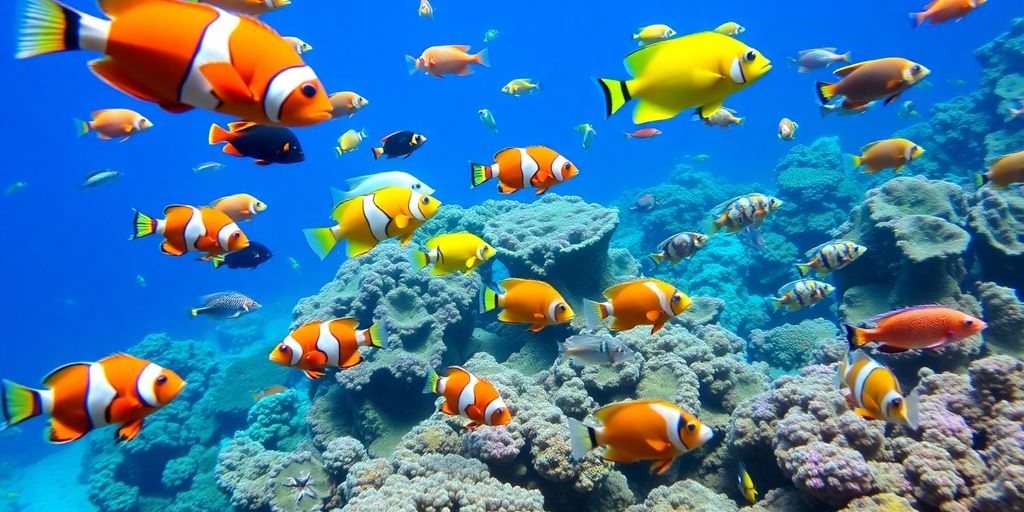
When starting a saltwater aquarium, it’s essential to understand the different types of fish available. Choosing the right species can make your aquarium thrive. Here’s a breakdown of the main categories:
Popular Species for Beginners
- Ocellaris Clownfish: Known for their vibrant colors and hardiness.
- Blue-Green Chromis: These fish are peaceful and easy to care for.
- Royal Gramma: A small, colorful fish that adapts well to various conditions.
Rare and Exotic Species
- Mandarin Dragonet: Beautiful but requires a well-established tank.
- Flame Angelfish: A stunning addition, but can be territorial.
- Banggai Cardinalfish: Unique appearance and interesting behavior.
Compatibility with Other Fish
When selecting fish, consider their temperament and dietary needs. Here are some tips:
- Research each species before adding them to your tank.
- Avoid overcrowding to reduce stress.
- Monitor water quality regularly to ensure a healthy environment.
Remember, the right mix of fish can create a beautiful and harmonious aquarium.
By understanding these varieties, you can make informed choices that will lead to a successful and enjoyable saltwater aquarium experience!
Setting Up Your Saltwater Aquarium
Setting up a saltwater aquarium can be an exciting adventure! Here’s what you need to know to get started.
Choosing the Right Tank Size
- Start with a larger tank: A bigger tank is easier to maintain than a small one.
- Consider the space you have available.
- Think about the fish you want; some need more room than others.
Essential Equipment
To create a healthy environment for your fish, you’ll need:
- Filter: Keeps the water clean.
- Heater: Maintains the right temperature.
- Lighting: Important for both fish and any plants or corals.
- Protein Skimmer: Helps remove waste from the water.
- Test Kits: To check water quality regularly.
| Equipment | Purpose |
|---|---|
| Filter | Cleans the water |
| Heater | Keeps water warm |
| Lighting | Provides light for fish and plants |
| Protein Skimmer | Removes waste |
| Test Kits | Monitors water quality |
Water Parameters and Maintenance
- Salinity: Keep it between 1.020 and 1.025.
- Temperature: Aim for around 78°F (25.6°C).
- pH Level: Should be between 8.1 and 8.4.
- Regular water changes are crucial to keep your fish healthy.
Remember, patience is key when setting up your aquarium. It may take time for everything to balance out, but your fish will thank you for it!
Best Saltwater Fish for Beginners
Starting a saltwater aquarium can be exciting, but choosing the right fish is crucial. Here are some of the best options for beginners:
Ocellaris Clownfish
Ocellaris clownfish, often known as Nemo, are a favorite among new aquarists. They are hardy and adapt well to various tank conditions. Their vibrant colors and playful nature make them a joy to watch.
Blue-Green Chromis
Blue-green chromis are one of the more recognizable and peaceful species, making them a great beginner saltwater fish. They thrive in schools and add a beautiful splash of color to your tank. These fish are also quite resilient, which is perfect for those just starting out.
Royal Gramma
Royal gramma fish are small, colorful, and easy to care for. They are known for their peaceful temperament and can coexist well with other fish. Their striking purple and yellow colors can brighten up any aquarium.
Summary Table of Beginner Fish
| Fish Name | Hardiness | Size (inches) | Temperament |
|---|---|---|---|
| Ocellaris Clownfish | High | 3-4 | Peaceful |
| Blue-Green Chromis | High | 2-3 | Peaceful |
| Royal Gramma | High | 3 | Peaceful |
Choosing the right fish is essential for a successful aquarium. Start with hardy species to build your confidence and enjoy the beauty of your underwater world!
Colorful Saltwater Fish to Brighten Your Aquarium
Adding colorful fish to your aquarium can create a stunning visual display. Here are some popular choices:
Flame Angelfish
The Flame Angelfish is known for its vibrant orange and blue colors. This fish is not only beautiful but also adds personality to your tank. However, it requires a larger tank and specific care.
Mandarin Dragonet
The Mandarin Dragonet is another colorful option. Its bright colors and unique patterns make it a favorite among aquarists. Keep in mind that it needs a well-established tank with plenty of live rock to thrive.
Yellow Tang
The Yellow Tang is a bright yellow fish that can bring a cheerful vibe to your aquarium. It is relatively hardy and can adapt to various tank conditions, making it a great choice for many aquarists.
| Fish Species | Color | Care Level | Tank Size Requirement |
|---|---|---|---|
| Flame Angelfish | Orange/Blue | Moderate | 30 gallons or more |
| Mandarin Dragonet | Green/Blue | High | 50 gallons or more |
| Yellow Tang | Bright Yellow | Easy | 75 gallons or more |
Remember: Choosing the right fish is essential for a healthy aquarium. Always research their care needs and compatibility with other fish.
These colorful fish can truly enhance the beauty of your aquarium, making it a lively underwater world!
Hardy Saltwater Fish for New Aquarists
When starting a saltwater aquarium, it’s essential to choose fish that can withstand the challenges of a new environment. Hardy fish are perfect for beginners because they adapt well to various water conditions and are less likely to succumb to stress.
Green Chromis
- Description: A small, vibrant fish that is easy to care for.
- Size: Grows up to 3 inches.
- Tank Requirements: Prefers a minimum of 30 gallons with plenty of swimming space.
Yellow Coris Wrasse
- Description: Known for its bright yellow color and active behavior.
- Size: Can reach up to 5 inches.
- Tank Requirements: Needs a sandy substrate to burrow and a minimum of 50 gallons.
Chalk Bass
- Description: A peaceful fish that does well in community tanks.
- Size: Typically grows to about 3 inches.
- Tank Requirements: Best kept in groups and requires at least 30 gallons.
| Fish Species | Size (inches) | Minimum Tank Size (gallons) | Behavior |
|---|---|---|---|
| Green Chromis | 3 | 30 | Peaceful |
| Yellow Coris Wrasse | 5 | 50 | Active |
| Chalk Bass | 3 | 30 | Peaceful |
Choosing hardy fish can make your first aquarium experience enjoyable and successful. Remember to monitor water quality and provide a suitable environment for your fish to thrive!
Peaceful Saltwater Fish for Community Tanks
Creating a peaceful aquarium is essential for a harmonious environment. Choosing the right fish can make all the difference. Here are some popular peaceful saltwater fish that are great for community tanks:
Banggai Cardinalfish
- Known for their striking appearance and calm nature.
- They thrive in groups, making them perfect for community settings.
Clown Goby
- Small and colorful, these fish are friendly and easy to care for.
- They enjoy hiding in corals, adding beauty to your tank.
Pajama Cardinalfish
- These fish are social and do well in schools.
- Their unique patterns make them visually appealing.
Key Considerations for Peaceful Fish
When selecting peaceful fish, keep these points in mind:
- Size: Ensure the fish are compatible in size to avoid bullying.
- Diet: Different species may have varying dietary needs.
- Habitat: Provide enough hiding spots to reduce stress.
| Fish Type | Size (inches) | Compatibility |
|---|---|---|
| Banggai Cardinalfish | 3-4 | High |
| Clown Goby | 2-3 | Moderate |
| Pajama Cardinalfish | 3-4 | High |
Remember, while many fish are considered peaceful, some may still exhibit territorial behavior. Always monitor interactions to ensure a harmonious tank environment.
By carefully selecting peaceful fish, you can create a vibrant and tranquil underwater world that everyone can enjoy!
Aggressive Saltwater Fish for Experienced Hobbyists
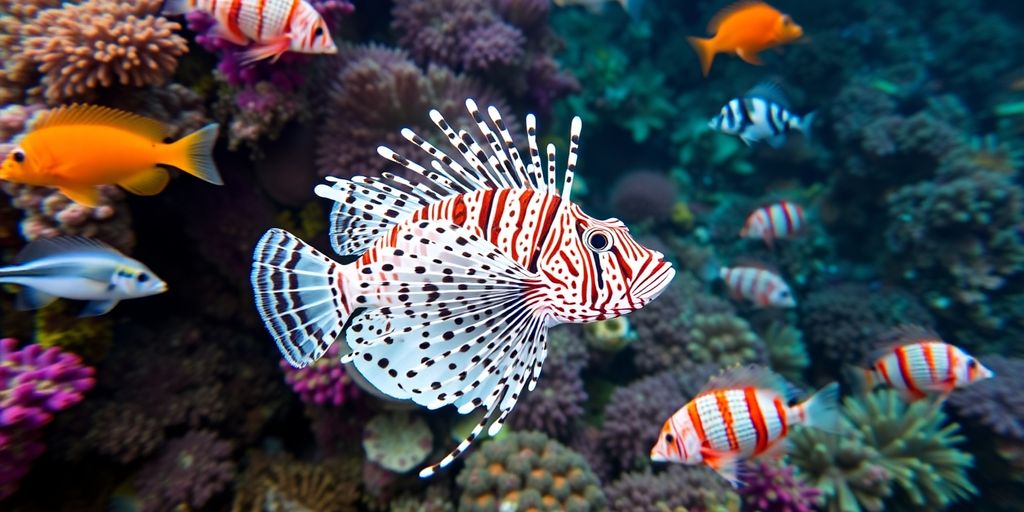
When it comes to adding aggressive fish to your aquarium, it’s essential to choose wisely. These fish can be beautiful and fascinating, but they require special care and attention. Here are some popular aggressive saltwater fish:
Triggerfish
Triggerfish are known for their unique personalities and vibrant colors. They can be territorial and may not get along with other fish, so it’s crucial to provide them with enough space.
Lionfish
Lionfish are stunning but can be quite dangerous due to their venomous spines. They are best kept in a species-only tank or with other aggressive fish that can hold their own.
Groupers
Groupers are large and powerful fish that can dominate a tank. They require a spacious environment and should be housed with other robust species to prevent bullying.
Key Considerations for Keeping Aggressive Fish
- Tank Size: Ensure your tank is large enough to accommodate aggressive fish. A minimum of 75 gallons is often recommended.
- Hiding Spots: Provide plenty of hiding places to reduce stress and territorial disputes.
- Feeding: Aggressive fish often have specific dietary needs. Make sure to research their feeding habits to keep them healthy.
Remember, keeping aggressive fish can be rewarding, but it requires careful planning and monitoring to ensure a harmonious environment.
By understanding the needs of these fish, you can create a thriving aquarium that showcases their beauty while maintaining peace among your aquatic friends.
Reef-Safe Saltwater Fish
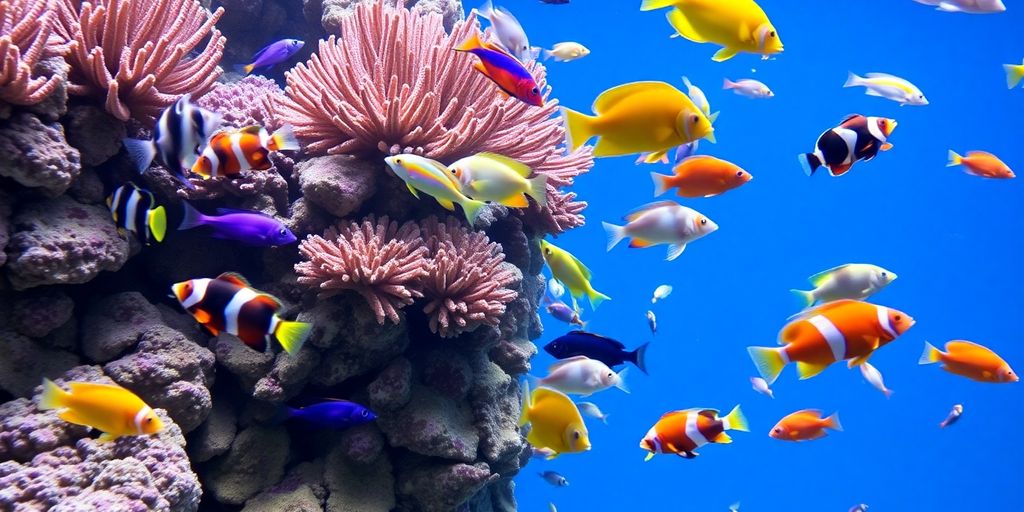
When setting up a saltwater aquarium, it’s crucial to choose fish that are reef-safe. These fish are less likely to harm corals or other delicate invertebrates in your tank. Here are some popular options:
Clownfish
- Clownfish are not only colorful but also very hardy. They are known for their symbiotic relationship with anemones, making them a favorite among aquarists.
Tangs
- Tangs are vibrant and active swimmers. They help keep algae in check, which is beneficial for maintaining a healthy reef environment.
Blennies
- Blennies are small, peaceful fish that add personality to your tank. They often graze on algae, contributing to the overall health of your aquarium.
| Fish Type | Size (inches) | Diet | Compatibility |
|---|---|---|---|
| Clownfish | 3-5 | Omnivore | High |
| Tangs | 6-12 | Herbivore | Moderate |
| Blennies | 3-5 | Herbivore | High |
Remember, not all fish labeled as reef-safe are truly safe. Always research individual species before adding them to your aquarium.
By selecting the right fish, you can create a beautiful and thriving underwater world that is safe for both your fish and corals.
Feeding Your Saltwater Fish
Feeding your saltwater fish is crucial for their health and happiness. Different fish have unique dietary needs, so it’s important to know what type of fish you have and what they require.
Carnivores
Carnivorous fish, like lionfish and groupers, need a diet rich in protein. In the wild, they eat other fish, crustaceans, and mollusks. In your aquarium, you can feed them:
- Krill
- Mysis shrimp
- Brine shrimp
- Frozen or live feeder fish
- Pellets or flakes made for carnivorous fish
Avoid overfeeding these fish, as it can lead to health issues and poor water quality.
Herbivores
Herbivorous fish, such as tangs and rabbitfish, thrive on plant matter. They typically eat algae and other plants in their natural habitat. In captivity, you can provide:
- Algae sheets
- Blanched vegetables like zucchini and spinach
- Pellets or flakes designed for herbivorous fish
It’s essential to give herbivores plenty of plant-based food to keep them healthy and prevent malnutrition.
Omnivores
Omnivorous fish, like clownfish and angelfish, eat both plant and animal matter. In your aquarium, you can feed them:
- Pellets or flakes made for omnivorous fish
- Frozen or live brine shrimp
- Mysis shrimp
- Krill
- Algae sheets
A balanced diet is key for omnivores, so make sure to include both plant and animal foods.
Remember, understanding your fish’s dietary needs is vital. By providing a balanced diet, you can help ensure they stay healthy and vibrant. Always feed in moderation to avoid health problems and maintain water quality.
Summary Table of Fish Diets
| Type | Food Examples |
|---|---|
| Carnivores | Krill, Mysis shrimp, Frozen fish |
| Herbivores | Algae sheets, Blanched veggies |
| Omnivores | Pellets, Brine shrimp, Algae sheets |
Creating the Ideal Environment for Saltwater Fish
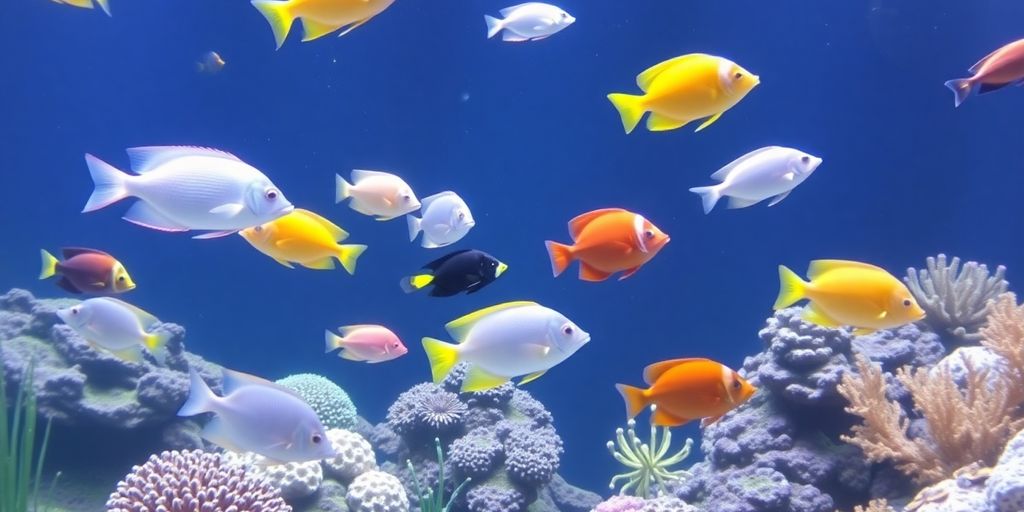
Creating a suitable environment for your saltwater fish is essential for their health and happiness. A well-planned aquarium setup is crucial for a thriving aquatic ecosystem. Here are some key aspects to consider:
Aquascaping Tips
- Use live rock to create hiding spots for fish, which helps reduce stress.
- Incorporate various decorations to mimic a natural habitat.
- Ensure there are open swimming spaces for fish to feel secure.
Lighting Requirements
- Most fish prefer a balance of light and dark. Aim for about 12 hours of light per day.
- Avoid excessive lighting, as it can lead to stress and algae growth.
- Consider using dimmed lighting for nocturnal species to mimic their natural environment.
Hiding Places
- Fish need safe spots to retreat to when they feel threatened. This can be achieved by:
- Adding live rock formations.
- Using PVC pipes for a simple yet effective hiding solution.
- Ensuring there are plenty of nooks and crannies for fish to explore.
Remember, maintaining optimal water quality, temperature, and salinity is vital for your fish’s well-being. Regular testing and adjustments will help keep your aquarium thriving!
Common Mistakes to Avoid When Choosing Saltwater Fish
Choosing the right fish for your saltwater aquarium can be tricky. Here are some common mistakes to avoid:
Overcrowding the Tank
- Too many fish can lead to stress and poor water quality.
- Always check the recommended number of fish for your tank size.
- Consider the adult size of the fish when stocking your tank.
Ignoring Compatibility
- Not all fish get along. Research which species can live together peacefully.
- Avoid mixing aggressive fish with peaceful ones to prevent fights.
- Use a compatibility chart to help you make better choices.
Neglecting Water Quality
- Regularly test your water parameters to ensure a healthy environment.
- Poor water quality can lead to illness and stress in fish.
- Invest in a good water testing kit to monitor levels like pH, ammonia, and nitrate.
Remember, doing your research before adding fish can save you a lot of trouble later on!
When picking saltwater fish, it’s easy to make mistakes that can lead to problems later. To avoid these pitfalls, make sure to do your homework and choose fish that fit well in your tank. For more tips and to explore our range of aquatic products, visit our website today!
Final Thoughts on Choosing Saltwater Fish
In summary, we hope this guide has helped you understand how to pick the best saltwater fish for your aquarium. Starting a saltwater tank can be tough, but with the right info, you can create a beautiful underwater world. When choosing fish, think about their behavior, size, and how well they get along with others. We suggest starting with friendly fish that are easy to care for, like Ocellaris Clownfish and Blue-Green Chromis. It’s also key to keep the water clean and at the right temperature and salinity for your fish to thrive. Regularly checking the water quality is important too. We encourage you to keep learning and ask experts for help to make your aquarium successful. Remember, patience and care are essential for a happy and healthy aquarium. Enjoy your fishkeeping journey!
Frequently Asked Questions
What are some good saltwater fish for beginners?
For beginners, some great options include clownfish, damselfish, and chromis. These fish are hardy and easy to care for.
How long should I wait to add fish to my new saltwater tank?
It’s best to wait at least six weeks for your tank to cycle before adding fish. Add them slowly to avoid overwhelming the system.
Can I keep different types of saltwater fish together?
Yes, but make sure they are compatible. Fish like clownfish and gobies usually get along well.
How many fish can I have in a 55-gallon tank?
In a 55-gallon tank, you should limit it to about 12 inches of fish, which could mean three 4-inch fish or two 6-inch fish.
What do I need to consider when setting up my saltwater aquarium?
You need to think about tank size, water quality, and fish compatibility. It’s also important to create hiding spots for your fish.
What type of food should I give my saltwater fish?
Different fish have different diets. Some are carnivores, some are herbivores, and others are omnivores. Make sure to choose the right food for your fish.
How can I keep my saltwater fish healthy?
Regular water changes, testing water parameters, and providing a balanced diet will help keep your fish healthy.
What are some common mistakes to avoid with saltwater fish?
Avoid overcrowding your tank, ignoring fish compatibility, and neglecting water quality.