Setting up a saltwater reef tank can be a fun and rewarding experience. However, it requires careful planning and knowledge to create a thriving environment for your marine life. This guide provides essential tips for beginners to help you make informed choices and enjoy the beauty of a reef tank in your home.
Key Takeaways
- Choose a suitable tank size and location for stability and ease of maintenance.
- Invest in quality lighting, filtration, and circulation systems for a healthy reef environment.
- Cycle your tank properly to establish beneficial bacteria before adding any marine life.
- Select hardy corals and compatible fish to create a balanced ecosystem.
- Regularly monitor water parameters to maintain a safe habitat for your reef inhabitants.
Choosing the Right Tank and Location
Setting up a saltwater reef tank starts with two key decisions: the size of the tank and its location. The size of your tank will affect the types of fish and corals you can keep, as well as the overall health of your marine ecosystem. Larger tanks are generally more forgiving because they can dilute toxins and handle temperature changes better. However, they also require more equipment and maintenance.
Factors to Consider for Tank Size
- Space Available: Measure the area where you plan to place the tank to ensure it fits.
- Aquatic Life: Consider the species you want to keep; some need more space than others.
- Maintenance: Larger tanks can be easier to maintain due to more stable water conditions.
Optimal Placement for Your Reef Tank
- Away from Direct Sunlight: This helps prevent overheating and excessive algae growth.
- Stable Surface: Ensure the surface can support the weight of a fully equipped tank.
- Accessibility: Choose a location that allows easy access for maintenance and feeding.
Importance of Tank Stability
A stable environment is crucial for your reef inhabitants. Regularly check water parameters like pH and salinity to keep your tank healthy. Remember, patience is key; setting up a thriving reef takes time.
"Creating a balanced ecosystem is a rewarding journey that requires careful planning and dedication."
In addition to the tank, consider investing in quality reptile products for your setup, as they can enhance the overall environment for your aquatic life.
Summary Table of Tank Sizes and Benefits
| Tank Size (Gallons) | Benefits |
|---|---|
| 20-30 | Good for beginners, manageable |
| 50-75 | More stable, allows for variety |
| 100+ | Best for advanced setups, diverse life |
Essential Equipment for Your Saltwater Reef
Creating a successful saltwater reef tank requires the right equipment. Here are the essentials you need to get started:
Lighting Systems for Coral Growth
Corals thrive under specific lighting conditions. Using the right lighting system is crucial for coral health. LED lights are popular because they are energy-efficient and can mimic natural sunlight. Here are some key points to consider:
- Intensity: Corals need bright light for photosynthesis.
- Spectrum: Different colors of light promote different types of coral growth.
- Duration: A consistent light schedule helps maintain coral health.
Filtration Methods for Clean Water
A good filtration system is vital for keeping your tank clean and your fish healthy. Here are the main types of filtration:
- Mechanical Filtration: Removes debris and particles from the water.
- Chemical Filtration: Uses materials like activated carbon to remove toxins.
- Biological Filtration: Supports beneficial bacteria that break down waste.
Water Circulation and Flow Devices
Water movement is essential in a reef tank. It helps distribute nutrients and oxygen. Here are some devices to consider:
- Powerheads: These create water movement and can be adjusted for flow rate.
- Wave Makers: They simulate natural ocean currents, which is beneficial for coral health.
- Return Pumps: These are used in sump systems to circulate water back into the tank.
Remember, investing in quality equipment like those from Advatec can make a significant difference in your reef tank’s success. Proper lighting, filtration, and circulation systems are the foundation of a thriving marine ecosystem.
Setting Up Your Saltwater Reef Tank
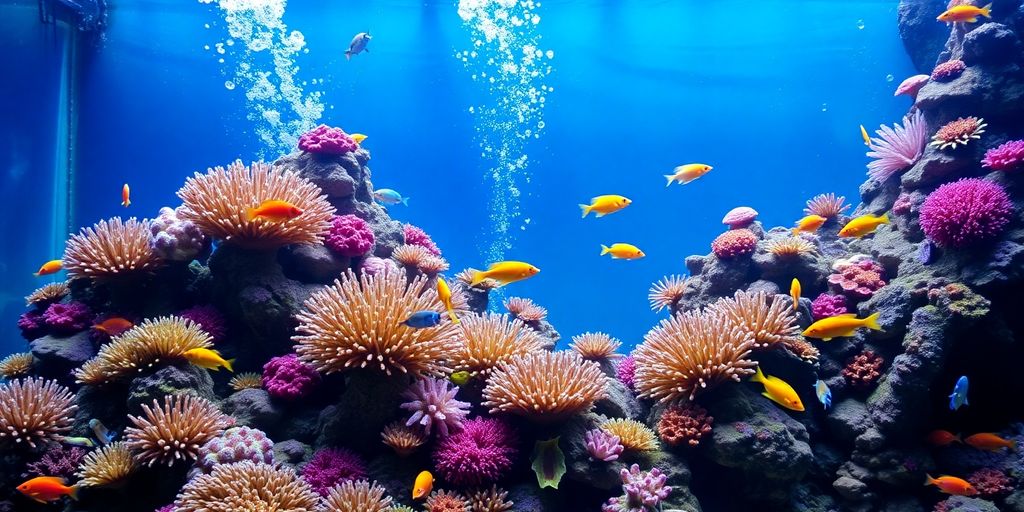
Step-by-Step Guide to Tank Setup
Setting up your reef tank is an exciting journey! Here’s a simple guide to help you get started:
- Gather Your Equipment: Before you fill your tank, make sure you have everything ready. This includes the tank, stand, Kessil lighting, filtration system, and heater. It’s easier to set up when the tank is empty.
- Add Substrate and Live Rock: Start by putting a layer of substrate (like sand) at the bottom. Then, place live rock in a way that looks nice and is stable. Live rock is important because it helps filter the water naturally.
- Fill the Tank with Saltwater: Mix reef-grade sea salt with dechlorinated water to create saltwater. Aim for a salinity level between 1.023 and 1.025. Pour the water in slowly to avoid disturbing your setup.
- Install and Start Equipment: Once the tank is filled, turn on your equipment, including the filtration system and heater. Check for any leaks and make sure everything is working properly.
Adding Substrate and Live Rock
- Use about 1.5 to 2 inches of sand for the substrate.
- Arrange the live rock to create hiding spots for fish and corals.
- Ensure there’s enough space for cleaning and maintenance.
Filling the Tank with Saltwater
- Mix saltwater in a separate container before adding it to the tank.
- Pour the saltwater gently to prevent cloudiness.
Remember: Setting up your tank is not a race. Take your time to do it right!
Cycling Your Tank for a Healthy Environment
Cycling your tank is a crucial step in creating a healthy environment for your marine life. This process helps establish beneficial bacteria that convert harmful substances into safer compounds. Here’s how to do it:
Understanding the Nitrogen Cycle
The nitrogen cycle is the process where:
- Ammonia is produced from fish waste and uneaten food.
- Beneficial bacteria convert ammonia into nitrites, which are also toxic.
- Another type of bacteria then converts nitrites into nitrates, which are less harmful.
Methods to Cycle Your Tank
You can cycle your tank using different methods:
- Fishless Cycling: Add ammonia directly to the tank to kickstart the process.
- Shrimp Method: Place a shrimp in the tank to decompose and produce ammonia. (Note: This method can take longer.)
- Bottled Bacteria: Use products available in pet stores to introduce beneficial bacteria quickly.
Monitoring Water Parameters
Regularly check your water parameters to ensure a successful cycle:
- Ammonia: Should be at 0 ppm.
- Nitrites: Should also be at 0 ppm.
- Nitrates: Ideally below 10 ppm before adding any fish.
| Parameter | Ideal Level | Action Needed |
|---|---|---|
| Ammonia | 0 ppm | Safe to add fish |
| Nitrites | 0 ppm | Safe to add fish |
| Nitrates | <10 ppm | Safe to add fish |
Remember, patience is key during this phase. Allowing your tank to cycle properly will lead to a thriving reef environment.
Once your tank is cycled, you can start adding your chosen marine life, beginning with hardy species that can adapt to the new environment. Don’t forget to use aquarium lights to support coral growth and consider terrarium starter kits for additional setup options!
Selecting the Right Inhabitants for Your Reef
Creating a successful reef tank means carefully choosing its inhabitants. The right mix of corals, fish, and invertebrates not only enhances the beauty of your aquarium but also helps maintain a balanced ecosystem. Here’s how to make informed choices:
Beginner-Friendly Corals
- Soft Corals: Start with hardy options like zoanthids, mushrooms, and leather corals. They are easier to care for and adapt well to various conditions.
- LPS Corals: As you gain experience, consider adding Large Polyp Stony (LPS) corals, which require moderate care and stable conditions.
- SPS Corals: These are more challenging and not recommended for beginners due to their high care needs.
Choosing Compatible Fish
- Algae Grazers: Fish like tangs and blennies help control algae growth, keeping your tank clean.
- Clownfish: These fish can form symbiotic relationships with anemones, adding interest to your tank.
- Research Compatibility: Always check the size, dietary needs, and temperament of each species to ensure they can coexist peacefully.
Adding Beneficial Invertebrates
- Cleaner Shrimp: They help control parasites on fish and keep the tank clean by eating leftover food.
- Snails and Crabs: These creatures play vital roles in cleaning the tank by consuming algae and detritus.
- Behavior Awareness: Be cautious of the size and behavior of invertebrates to avoid introducing aggressive species.
Remember, the right mix of inhabitants is crucial for a thriving reef tank. Patience and research are key!
Summary Table of Inhabitants
| Type | Examples | Care Level |
|---|---|---|
| Corals | Zoanthids, Leather Corals | Easy |
| Fish | Tangs, Clownfish | Moderate |
| Invertebrates | Cleaner Shrimp, Snails | Easy |
By carefully selecting your reef inhabitants, you can create a vibrant and healthy underwater world. Don’t forget to feed them high-quality food like Omega One to support their health and coloration!
Feeding and Nutrition for Reef Inhabitants
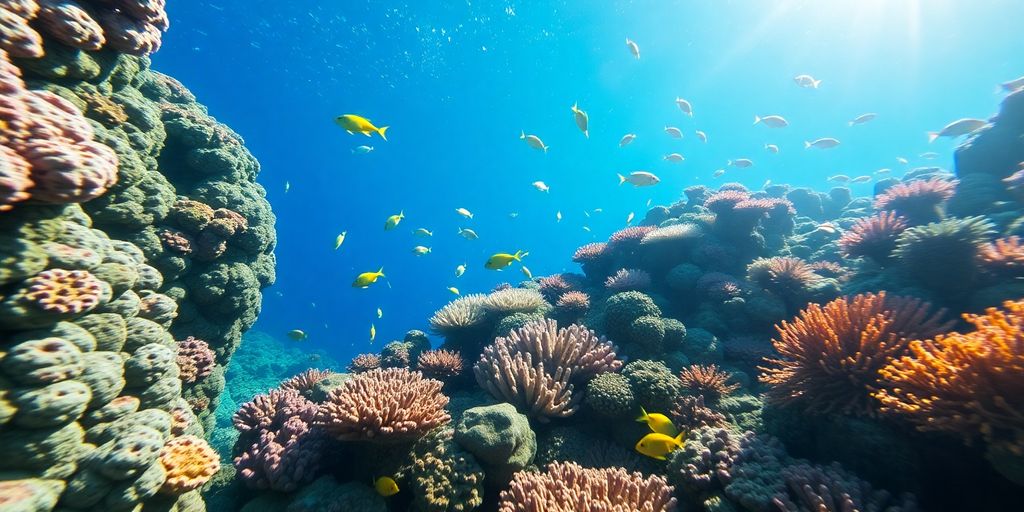
Types of Fish Food
Feeding your fish and corals the right food is essential for their health. Here are some common types of fish food:
- Flakes: Easy to use and suitable for many fish.
- Pellets: Great for larger fish and can sink or float.
- Frozen food: Provides variety and is often more nutritious.
Feeding Corals and Invertebrates
Corals and invertebrates also need special care. They thrive on:
- Liquid foods: These are often designed specifically for corals.
- Phytoplankton: A natural food source that many corals love.
- Meaty foods: For carnivorous species, like certain anemones.
Maintaining Water Quality Through Diet
Proper feeding helps maintain water quality. Overfeeding can lead to waste buildup, which harms your tank. Here are some tips:
- Feed small amounts regularly.
- Remove uneaten food after a few minutes.
- Monitor water parameters to ensure they stay stable.
Remember, a balanced diet is key to a thriving reef. Using quality aquarium kits and cabinets can help you manage your tank better.
Maintaining Water Quality in Your Reef Tank
Keeping your reef tank healthy is crucial for the well-being of its inhabitants. Regular maintenance is key to ensuring a thriving aquatic environment. Here are some essential practices to maintain water quality:
Regular Water Testing
- Test your water at least once a week to monitor key parameters like pH, salinity, and nitrates.
- Use reliable test kits or visit your local fish store for assistance.
- Keep a log of your water tests to track changes over time.
Managing Algae Growth
- Algae can quickly take over your tank if not controlled. Here are some tips:
- Reduce feeding to lower nutrient levels.
- Increase water changes to remove excess nutrients.
- Consider adding more cleanup crew members like snails and hermit crabs.
Using Chemical Filtration
- Chemical filtration can help remove impurities from the water. Here are some options:
- Activated carbon can absorb toxins and odors.
- Phosphate removers can help control algae growth.
- Regularly replace filter media to maintain effectiveness.
Maintaining water quality is not just about testing; it’s about creating a balanced ecosystem. Regular checks and adjustments will help you discover the best saltwater fish for your tank.
By following these steps, you can ensure that your reef tank remains a beautiful and healthy environment for all its inhabitants. Remember, all products used should be suitable for marine life to avoid any harm.
Common Challenges and Solutions in Reef Keeping
Creating a successful saltwater reef tank can be a rewarding experience, but it comes with its own set of challenges. Here are some common issues and how to tackle them:
Dealing with Coral Diseases
Coral diseases can be a significant threat to your reef tank. Regular monitoring is essential to catch any signs of distress early. Here are some steps to help:
- Quarantine new corals before introducing them to your main tank.
- Maintain stable water parameters to reduce stress on corals.
- Use treatments specifically designed for coral diseases if needed.
Managing Fish Health Issues
Fish can also face health problems, which can affect the entire ecosystem. To keep your fish healthy:
- Observe your fish daily for any signs of illness.
- Quarantine new fish to prevent disease spread.
- Ensure a balanced diet to boost their immune systems.
Troubleshooting Equipment Problems
Equipment failure can lead to serious issues in your reef tank. To avoid this:
- Regularly check all equipment, including filters and heaters.
- Keep a backup of essential equipment, like a spare heater or pump.
- Invest in quality equipment to reduce the risk of failure.
Remember, patience and attention to detail are key to maintaining a thriving reef tank. By addressing these common challenges, you can create a beautiful underwater environment that flourishes over time.
In addition to these challenges, consider using screen terrariums or glass terrariums for your coral propagation. Products like Exo-Terra can help create a controlled environment for your marine life, ensuring they thrive in your reef tank.
Advanced Tips for Thriving Reef Tanks
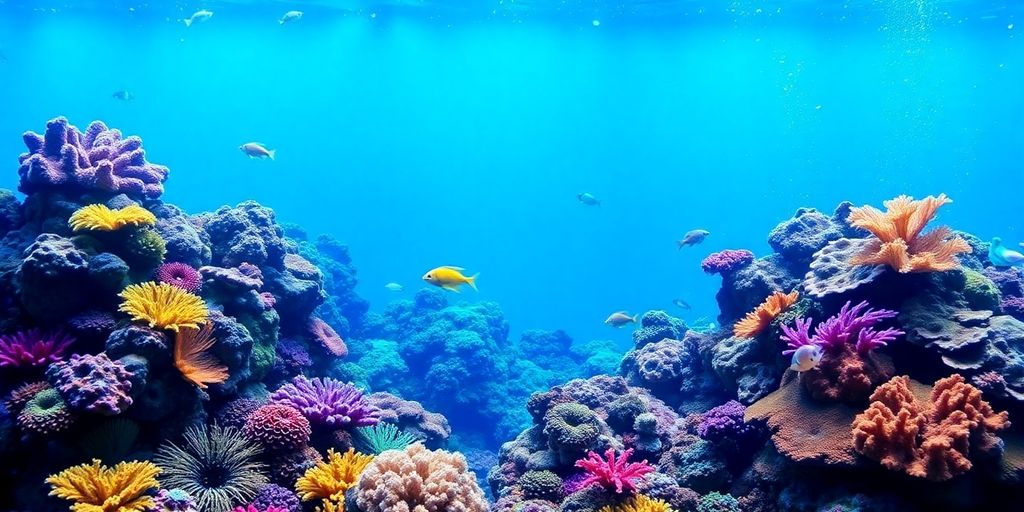
Creating a successful reef tank requires more than just basic setup. Here are some advanced tips to help you maintain a vibrant and healthy environment for your marine life.
Optimizing Light Schedules
Proper lighting is crucial for coral growth. Adjust your light schedule to mimic natural sunlight patterns. Here’s a simple guide:
- Morning: Gradually increase light intensity over 1-2 hours.
- Midday: Maintain peak brightness for 6-8 hours.
- Evening: Gradually decrease light intensity over 1-2 hours.
- Night: Turn off lights completely.
Advanced Filtration Techniques
Using advanced filtration methods can significantly improve water quality. Consider these options:
- Protein Skimmers: Remove organic waste before it breaks down.
- Refugiums: Grow macroalgae to absorb excess nutrients.
- Activated Carbon: Use to remove toxins and improve clarity.
Creating a Balanced Ecosystem
A balanced ecosystem is vital for a thriving reef tank. Here are some key components:
- Beneficial Bacteria: Introduce live rock to establish a natural filtration system.
- Diverse Inhabitants: Include a mix of fish, corals, and invertebrates to promote biodiversity.
- Regular Testing: Monitor water parameters like pH, salinity, and nitrates to ensure a stable environment.
Maintaining balanced levels of calcium, alkalinity, and magnesium is vital for coral health. Use test kits to monitor these levels and adjust dosing as needed.
By following these advanced tips, you can create a thriving reef tank that not only looks beautiful but also supports a healthy marine ecosystem. Remember, patience and regular maintenance are key to success!
Seasonal Maintenance for Your Saltwater Reef
Maintaining a saltwater reef tank requires attention throughout the year. Seasonal changes can impact your tank’s environment, so it’s essential to adapt your care routine accordingly.
Preparing for Temperature Changes
- Monitor Temperature: Keep an eye on the water temperature, especially during seasonal shifts. Use a reliable thermometer to ensure it stays within the ideal range for your reef inhabitants.
- Adjust Heaters: As temperatures drop in winter, ensure your heater is functioning correctly. In summer, consider using fans or chillers to prevent overheating.
- Check Equipment: Regularly inspect your heating and cooling equipment to ensure they are in good working order.
Seasonal Feeding Adjustments
- Adjust Feeding Schedules: Fish and corals may have different feeding needs in different seasons. Observe their behavior and adjust feeding amounts accordingly.
- Use Quality Food: Opt for high-quality foods like those from Seachem to ensure your inhabitants receive the necessary nutrients.
- Monitor Waste: Keep an eye on waste levels, as overfeeding can lead to water quality issues.
Routine Equipment Checks
- Inspect Filters and Pumps: Regularly check your filtration system and pumps for any signs of wear or blockage. Clean or replace parts as needed to maintain optimal performance.
- Test Water Parameters: Conduct regular tests for pH, ammonia, nitrites, and nitrates to ensure a healthy environment. Adjust your maintenance routine based on the results.
- Plan for Algae Control: Seasonal changes can lead to algae blooms. Have a plan in place for managing algae growth, including regular cleaning and possibly increasing your cleanup crew.
Keeping your reef tank healthy through seasonal changes is crucial for the well-being of your aquatic life. Regular maintenance and adjustments will help create a thriving environment year-round.
Enhancing the Aesthetic Appeal of Your Reef Tank
Creating a beautiful reef tank is not just about the fish; it’s about the entire environment. A well-designed tank can be a stunning centerpiece in your home. Here are some tips to enhance the visual appeal of your saltwater reef:
Aquascaping Techniques
- Layering: Use different heights and shapes of rocks to create depth.
- Open Spaces: Leave areas open for fish to swim freely, which also makes the tank look less cluttered.
- Natural Look: Arrange rocks and corals in a way that mimics natural reefs.
Choosing Colorful Corals
- Bright Colors: Select corals that have vibrant colors to make your tank pop.
- Variety: Mix different types of corals to create a diverse ecosystem.
- Health: Ensure that the corals are healthy, as this will enhance their colors.
Incorporating Decorative Elements
- Terrarium Accessories: Add items like shells or driftwood to create a more natural look.
- Backgrounds: Use a background that complements the colors of your corals and fish.
- Lighting: Invest in quality lighting, such as Fluval LED lights, to highlight the beauty of your tank.
Remember, the key to a stunning reef tank is balance. Too many decorations can overwhelm the space, while too few can make it look empty. Strive for a harmonious design that showcases the beauty of your aquatic life.
Transforming your reef tank into a stunning underwater paradise is easier than you think! By adding colorful corals, unique decorations, and the right lighting, you can create a vibrant environment that showcases your aquatic life beautifully. Want to learn more tips and tricks? Visit our website for expert advice and products that can help you enhance your tank’s look!
Final Thoughts on Your Reef Journey
Starting a saltwater reef tank can be a fun and rewarding adventure. Remember, it takes time and patience to create a healthy environment for your fish and corals. Keep an eye on your water quality and make adjustments as needed. Don’t rush the process; let your tank develop naturally. With the right care and attention, you’ll enjoy a beautiful underwater world right in your home. So dive in, learn as you go, and most importantly, have fun with your new aquatic hobby!
Frequently Asked Questions
What size tank should I start with for a saltwater reef?
For beginners, a tank size of at least 20 gallons is recommended. Larger tanks are easier to maintain because they have more water volume, which helps stabilize water conditions.
What equipment do I need to set up my saltwater reef?
You’ll need a good lighting system, a filtration system, a heater, and water circulation devices. These are essential for keeping your reef healthy.
How long does it take to cycle a saltwater reef tank?
Cycling your tank usually takes about 4 to 6 weeks. This process helps establish beneficial bacteria that keep the water safe for fish and corals.
Can I add fish and corals at the same time?
It’s best to add fish first and wait a few weeks before adding corals. This allows the tank to stabilize and reduces stress on the corals.
How often should I test my water parameters?
Test your water parameters at least once a week, especially during the first few months. This helps ensure that your tank remains healthy.
What should I feed my corals?
Corals can be fed with specialized coral food, which is available at pet stores. You can also feed them tiny particles from fish food.
How do I manage algae growth in my reef tank?
Regular water changes, proper lighting, and introducing algae-eating fish or invertebrates can help control algae growth.
What are some common problems I might face with my reef tank?
Common issues include water quality problems, algae blooms, and fish diseases. Regular maintenance and monitoring can help prevent these problems.