Creating a beautiful aquarium is like building a little underwater world. Whether you’re just starting out or have been keeping fish for a while, this guide will help you turn your fish tank into a stunning oasis. From choosing the right size tank to picking the best decorations, let’s dive into the essentials for a vibrant aquatic environment.
Key Takeaways
- Choose the right tank size and location for your fish.
- Invest in essential equipment like filters and heaters.
- Regularly test water quality to keep fish healthy.
- Select the right substrate and plants for a natural look.
- Use decorations to create a beautiful and safe environment.
Choosing the Right Aquarium Size and Location
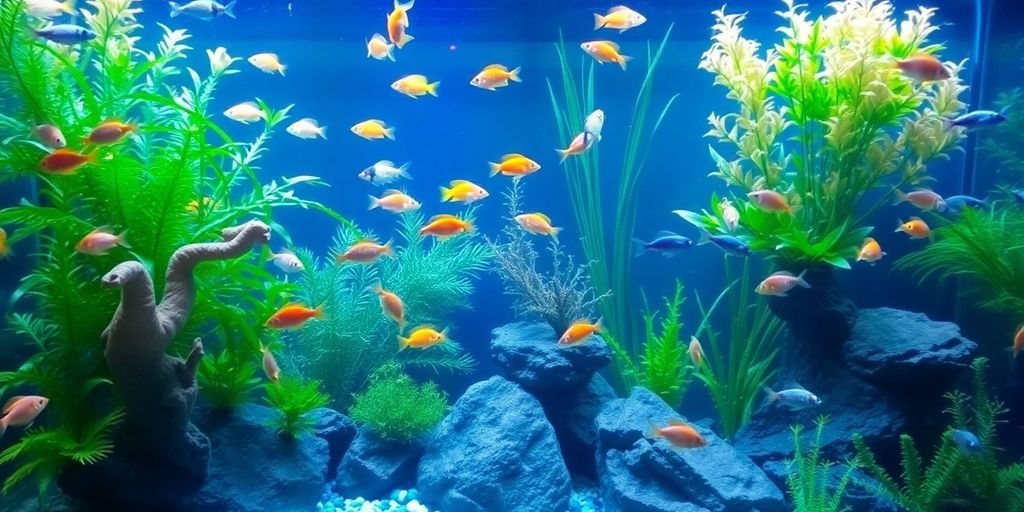
When setting up your aquarium, the first step is to choose the right size and location. The size of your tank is important because it affects how many fish you can keep and how they will thrive. Here are some factors to consider:
Factors to Consider for Aquarium Size
- Space Available: Measure the area where you plan to place the aquarium. Make sure it fits comfortably.
- Fish Type: Different fish need different amounts of space. Larger fish require bigger tanks.
- Weight: Remember that water is heavy! A full tank can weigh a lot, so ensure your surface can support it.
Ideal Locations for Aquariums
- Away from Direct Sunlight: This helps prevent algae growth and keeps the water temperature stable.
- Low Traffic Areas: Choose a spot where people won’t bump into it often, reducing stress for your fish.
- Stable Surface: Make sure the aquarium is on a flat, sturdy surface to avoid accidents.
Avoiding Common Placement Mistakes
- Not Considering Temperature: Avoid placing your tank near heaters or air conditioners.
- Ignoring Accessibility: Ensure you can easily reach the tank for maintenance.
- Overcrowding: Don’t place too many decorations or plants that limit swimming space for your fish.
Proper planning and consideration of these factors will help create an ideal environment for your aquarium and make it easier for you to maintain and enjoy.
By following these guidelines, you can create a beautiful and healthy underwater oasis for your fish!
Essential Aquarium Equipment
Setting up a beautiful aquarium requires the right tools. Here are the key pieces of equipment you need:
Filtration Systems
A filtration system is a critical piece of equipment. It keeps the water quality clean to keep the fish healthy, so get the best filter you can afford. There are three main types:
- Mechanical: Removes physical debris.
- Chemical: Uses activated carbon to remove impurities.
- Biological: Utilizes beneficial bacteria to break down waste.
Heating Solutions
Most tropical fish need a stable water temperature. A heater is essential to maintain the right temperature range for your fish species. Make sure to also have a thermometer to monitor the temperature.
Lighting Options
Lighting not only enhances the look of your tank but also provides necessary light for plants and fish. Here are some options:
- LED: Energy-efficient and long-lasting.
- Fluorescent: Good for plant growth.
- Incandescent: Less common but can be used for specific needs.
Remember, investing in quality equipment will save you time and money in the long run. Proper planning and consideration of these factors will help create an ideal environment for your aquarium and make it easier for you to maintain and enjoy.
Water Quality Management
Maintaining good water quality is essential for the health of your fish and plants. Regular testing helps ensure that your aquarium stays balanced and safe for its inhabitants.
Importance of Regular Testing
Regular testing of your aquarium water is crucial. It helps you monitor important parameters like pH, ammonia, nitrite, and nitrate levels. Here’s why it matters:
- Fish Health: Poor water conditions can lead to stress and illness.
- Preventing Issues: Early detection of problems can save your fish.
- Optimal Conditions: Keeping water parameters stable promotes a thriving environment.
Using Water Conditioners
Water conditioners are important for maintaining a healthy aquarium. They help remove harmful chemicals and make tap water safe for your fish. Here are some common types:
- Dechlorinators: Remove chlorine and chloramine from tap water.
- pH Adjusters: Help maintain the desired pH level for your fish species.
- Beneficial Bacteria: Introduce good bacteria to help break down waste.
Maintaining pH Balance
Maintaining the right pH level is vital for your fish’s health. Here are some tips:
- Test Regularly: Use test strips like the Advatec 5 in 1 aquarium test strips to monitor pH and other parameters.
- Adjust Gradually: Make any changes slowly to avoid shocking your fish.
- Research: Know the ideal pH range for your specific fish species.
Regular water quality management is key to a successful aquarium. By testing and adjusting your water, you create a safe and beautiful environment for your aquatic friends.
Selecting the Perfect Substrate

Choosing the right substrate is essential for creating a healthy and beautiful aquarium. The substrate not only supports plant growth but also affects the overall look of your tank. Here are some key points to consider:
Types of Substrates
- Gravel: Great for most fish and plants, it provides stability and allows for good water flow.
- Sand: Ideal for fish that sift through the substrate, it gives a natural appearance.
- Specialized Plant Substrates: These contain nutrients that help plants thrive.
Benefits of Different Substrates
- Gravel: Supports rooted plants and is easy to clean.
- Sand: Mimics natural habitats and is soft for bottom-dwelling fish.
- Specialized Substrates: Promotes healthy plant growth and improves water quality.
How to Prepare and Maintain Substrates
- Rinse the substrate thoroughly before adding it to the tank to remove dust.
- Layer sand over soil for a nutrient-rich base while keeping a light-colored top layer.
- Regularly vacuum the substrate to remove waste and debris.
Remember, the right substrate can enhance both the health of your fish and the beauty of your aquarium. Choosing wisely will lead to a thriving aquatic environment!
Incorporating Live Plants
Adding live plants to your aquarium can help create a more natural environment for your fish. They not only enhance the beauty of your tank but also provide numerous benefits. Here are some key points to consider:
Benefits of Live Plants
- Oxygen Production: Live plants produce oxygen and absorb carbon dioxide, which is essential for fish health.
- Algae Control: They help control algae growth by competing for nutrients in the water.
- Shelter: Plants provide hiding spots and breeding grounds for fish, making them feel secure.
Popular Aquarium Plants
Some popular choices for beginners include:
- Java Fern: Hardy and low-maintenance.
- Anubias: Grows well in low light and is easy to care for.
- Amazon Sword: A great background plant that grows tall and lush.
Plant Care Tips
- Lighting: Ensure your plants receive the right amount of light. Too little can hinder growth, while too much can cause algae blooms.
- Nutrients: Use fertilizers to provide essential nutrients for plant growth.
- Water Conditions: Regularly check water parameters to ensure they are suitable for both plants and fish.
Incorporating live plants is a great way to create a stunning underwater oasis while also improving water quality and fish health. Remember to cycle your aquarium before adding plants to ensure a stable environment for them to thrive.
Aquascaping Techniques
Creating a beautiful aquarium is not just about filling it with water and fish; it’s about designing a stunning underwater landscape. Aquascaping is the art of arranging plants, rocks, and decorations to create a natural-looking environment. Here are some essential techniques to consider:
Creating Depth and Interest
- Use the Rule of Thirds: Divide your aquarium into three sections both horizontally and vertically. Place taller elements in the back and shorter ones in the front to create a balanced look.
- Layering: Incorporate foreground, midground, and background plants to add layers and depth to your tank.
- Varying Heights: Mix different heights of plants and decorations to create visual interest.
Using Rocks and Driftwood
- Natural Elements: Incorporate rocks and driftwood to mimic natural habitats. These elements not only enhance beauty but also provide hiding spots for fish.
- Safe Choices: Ensure that the materials you use are safe for your aquarium. Avoid rocks that can alter water chemistry.
- Placement: Arrange rocks and driftwood in a way that creates caves and open spaces for fish to swim.
Incorporating Decorative Elements
- Artificial Plants: If you prefer low-maintenance options, consider using high-quality artificial plants. They can still enhance the aesthetics of your aquarium without the need for special care.
- Themed Decor: Create a theme for your aquarium, such as a sunken ship or a coral reef, to make it more visually appealing.
- Lighting: Use appropriate lighting to highlight your aquascape. The right lighting can enhance colors and bring out the beauty of both plants and fish.
Remember, the goal of aquascaping is to create a harmonious environment that is not only beautiful but also functional for your aquatic life. By following these techniques, you can transform your aquarium into a stunning underwater oasis!
Choosing the Right Fish
Compatibility with Other Fish
When selecting fish for your aquarium, compatibility is key. Some fish can be aggressive, while others are peaceful. Here are some tips to ensure a harmonious tank:
- Research the temperament of each species.
- Avoid mixing aggressive fish with peaceful ones.
- Consider the size of the fish; larger fish may eat smaller ones.
Fish for Beginners
If you’re new to fishkeeping, starting with easy-to-care-for species is a great idea. Here are some of the best beginner fish:
- Celestial Pearl Danios
- Golden Dwarf Barbs
- Neon Tetras
- Pygmy Corydoras
- Guppies
- Betta Fish
- Dwarf Gouramis
Special Care Requirements
Some fish have specific needs that must be met for them to thrive. Here are a few examples:
- Goldfish: Prefer cooler water and need a larger tank.
- Cichlids: Require hiding spots and can be territorial.
- Shrimp: Need stable water conditions and can be sensitive to changes.
Choosing the right fish is essential for a successful aquarium. Always do your research to create a balanced and healthy environment for your aquatic pets!
Feeding Your Fish

Types of Fish Food
When it comes to feeding your fish, choosing the right food is crucial. Here are some common types:
- Flakes: Great for most fish, easy to digest.
- Pellets: Ideal for larger fish, providing balanced nutrition.
- Freeze-Dried: A treat that adds variety, but should be used sparingly.
- Live Food: Such as brine shrimp, which can enhance fish health and color.
Feeding Schedules
Establishing a feeding routine helps keep your fish healthy. Here’s a simple schedule:
- Feed once or twice a day.
- Only give what they can eat in 2-3 minutes.
- Skip a day occasionally to prevent overfeeding.
Avoiding Overfeeding
Overfeeding can lead to poor water quality and health issues for your fish. Here are some tips to avoid this:
- Watch for uneaten food: Remove any leftovers after feeding.
- Adjust portions based on fish activity: More active fish may need more food.
- Use a feeding ring: This helps contain food and makes it easier to monitor consumption.
Remember, maintaining a balanced diet is essential for your fish’s health. Regularly check their condition and adjust their diet as needed.
By following these guidelines, you can ensure your fish receive the proper nutrition they need to thrive in your aquarium!
Maintaining a Healthy Aquarium

Keeping your aquarium in good shape is key to having happy fish. Regular maintenance is essential for a thriving aquatic environment. Here are some important tasks to keep in mind:
Regular Cleaning Routines
- Water Changes: Change about 25% of your water every one to two weeks to keep it clean and fresh. This helps remove toxins and maintain water quality.
- Glass and Equipment Cleaning: Use an algae scraper to clean the glass and rinse decorations with aquarium water to avoid harmful chemicals.
- Gravel Vacuuming: Regularly vacuum the substrate to remove waste and debris, which can affect water quality.
Monitoring Fish Health
- Observe Behavior: Keep an eye on your fish for any signs of stress or illness. Changes in behavior can indicate problems.
- Check Water Parameters: Use test strips to monitor pH, ammonia, and nitrate levels. This helps ensure a safe environment for your fish.
- Regular Feeding: Feed your fish a balanced diet and avoid overfeeding, which can lead to poor water quality.
Handling Common Issues
- Algae Growth: If you notice excessive algae, consider reducing light exposure and increasing water changes.
- Fish Compatibility: Ensure that the fish in your tank are compatible to avoid stress and aggression.
- Regular Maintenance Schedule: Create a schedule for cleaning and testing to stay organized and prevent neglect.
By following these steps, you can create a beautiful and healthy underwater oasis for your fish. Remember, a little effort goes a long way in maintaining a vibrant aquarium!
Enhancing Aquarium Aesthetics
Creating a beautiful aquarium is not just about the fish; it’s also about how you design the space. A well-decorated tank can be a stunning focal point in your home. Here are some ways to enhance the aesthetics of your aquarium:
Using Artificial Plants and Decorations
- Artificial plants are a great choice for beginners. They require no maintenance and can still look realistic.
- Consider using decorative ornaments like sunken ships or coral reefs to add character.
- Choose materials that are safe for fish, avoiding anything sharp or toxic.
Creating Themed Aquariums
- Think about a theme for your aquarium, such as a tropical paradise or a mystical underwater world.
- Use decorations that match your theme to create a cohesive look.
- Research the natural habitats of your fish to replicate their environment.
Lighting for Visual Appeal
- Proper lighting can make a huge difference. The right setup can enhance the colors of both plants and fish.
- Consider using LED lights that can change colors to create different moods.
- Ensure your lighting is suitable for the types of plants you have, as some need more light than others.
Remember, while aesthetics are important, the health and safety of your fish should always come first. Choose decorations that provide hiding spots and are safe for your aquatic friends.
Summary Table of Aesthetic Elements
| Element | Description | Benefits |
|---|---|---|
| Artificial Plants | Low-maintenance, realistic options | Easy to care for |
| Decorative Ornaments | Unique designs like ships or reefs | Adds character |
| Themed Decorations | Cohesive look based on a specific theme | Enhances visual interest |
| Proper Lighting | Adjustable LED lights for different effects | Highlights colors and details |
Advanced Aquarium Technologies
In today’s world, aquarium enthusiasts have access to advanced technologies that can make maintaining a fish tank easier and more enjoyable. These innovations not only help in keeping the aquarium healthy but also enhance its beauty.
Automated Feeding Systems
Automated feeding systems are a great way to ensure your fish are fed regularly, even when you’re not home. Here are some benefits:
- Consistent Feeding: Fish receive food at the same time every day.
- Convenience: No need to worry about missing a feeding.
- Variety: Many systems allow you to use different types of food.
Smart Aquarium Monitoring
Smart monitoring systems can track various parameters in your aquarium, such as temperature, pH, and ammonia levels. This technology helps you:
- Stay Informed: Get alerts on your smartphone if something is wrong.
- Maintain Balance: Ensure your fish live in a healthy environment.
- Save Time: Spend less time manually checking water conditions.
High-Tech Lighting Solutions
Lighting plays a crucial role in the health of your aquarium. Here are some options:
- LED Lights: Energy-efficient and long-lasting.
- Smart Lights: Can be controlled via apps to simulate day and night cycles.
- Accent Lights: Enhance the beauty of your tank with colorful effects.
| Technology Type | Benefits |
|---|---|
| Automated Feeding Systems | Consistent feeding, convenience |
| Smart Monitoring | Real-time alerts, easy maintenance |
| High-Tech Lighting | Energy-efficient, customizable |
Embracing these advanced technologies can transform your aquarium into a stunning underwater oasis, making it easier to care for your aquatic friends while enhancing the overall aesthetic of your tank.
Safety and Well-being of Fish
Providing Hiding Places
Creating a safe environment for your fish is essential. Hiding spots help reduce stress and provide comfort. Here are some ideas:
- Use rocks and caves.
- Add live plants for natural cover.
- Incorporate driftwood for structure.
Ensuring Proper Water Temperature
Maintaining the right water temperature is crucial for fish health. Most fish thrive in a specific temperature range. Here’s a simple table to guide you:
| Fish Type | Ideal Temperature (°F) |
|---|---|
| Tropical Fish | 75-80 |
| Goldfish | 65-75 |
| Betta Fish | 78-80 |
Regularly check your heater and thermometer to ensure the water stays within the right range.
Avoiding Toxic Decorations
Not all decorations are safe for fish. Some materials can leach harmful chemicals into the water. Here are tips to ensure safety:
- Choose decorations labeled as fish-safe.
- Avoid sharp edges that can injure fish.
- Regularly inspect decorations for wear and tear.
By creating a safe environment, you can help your fish thrive and enjoy their underwater home. Remember, the well-being of your fish is just as important as the aesthetics of your aquarium!
Ensuring the safety and well-being of fish is crucial for their health and happiness. By providing a clean environment and proper care, you can help your fish thrive. Visit our website to discover essential products that will keep your aquatic friends safe and healthy!
Final Thoughts on Your Underwater Oasis
Creating a beautiful aquarium is not just about looks; it’s about making a happy home for your fish. By picking the right decorations, plants, and equipment, you can turn your tank into a stunning underwater paradise. Remember to keep an eye on water quality and fish health. Regular testing and maintenance are key to keeping everything in balance. With a little effort and creativity, your aquarium can be a vibrant and lively space that brings joy to both you and your fish.
Frequently Asked Questions
What size aquarium should I choose for my home?
The size of your aquarium depends on the space you have and the types of fish you want. A larger tank is usually better because it provides more space for fish to swim and helps maintain stable water conditions.
How do I keep the water clean?
Regularly change about 10-15% of the water each week and use a good filter to keep the water clean. Testing the water quality often helps too.
What type of fish can I keep together?
Some fish get along well while others do not. Research the species you want to keep to make sure they are compatible.
How often should I feed my fish?
Feed your fish once or twice a day. Only give them as much food as they can eat in a few minutes to avoid overfeeding.
Do I need to add plants to my aquarium?
Adding live plants can be beneficial as they provide oxygen, absorb waste, and give fish hiding spots. However, if you prefer low maintenance, artificial plants are also a good option.
How can I tell if my fish are healthy?
Healthy fish are usually active, have bright colors, and eat well. If they seem lethargic, have faded colors, or are not eating, it might be a sign of stress or illness.
What should I do if my fish get sick?
Isolate the sick fish in a separate tank if possible and monitor their condition. You may need to adjust water conditions or consult a vet for treatment.
How can I decorate my aquarium safely?
Choose decorations that are aquarium-safe and won’t harm your fish. Avoid sharp objects and ensure that any materials used are non-toxic.