Setting up a fish tank can be a fun and rewarding hobby. However, knowing the essential equipment needed for a successful aquarium is crucial for both beginners and experienced aquarists. This guide will help you understand the must-have items for maintaining a healthy and beautiful fish tank, ensuring your aquatic friends thrive in their new home.
Key Takeaways
- Choosing the right tank material and size is vital for your fish’s health and happiness.
- A good filtration system is essential to keep the water clean and safe for your fish.
- Proper heating and lighting help create a comfortable environment for your aquatic pets.
- Regular water testing ensures that your fish are living in safe conditions.
- Adding decorations and plants not only beautifies the tank but also provides hiding spots for fish.
Choosing the Right Fish Tank
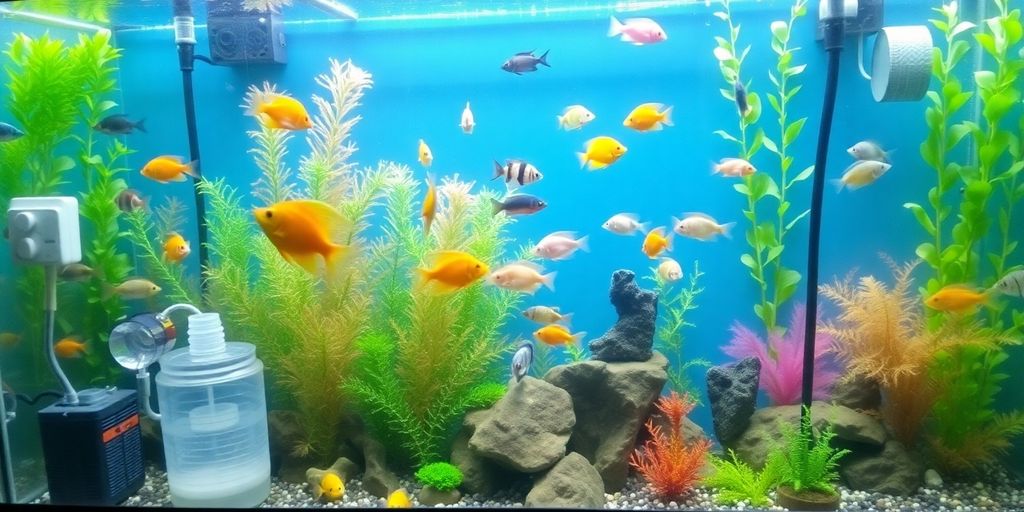
When starting your aquarium journey, selecting the right fish tank is crucial. The type and size of the tank can greatly affect the health of your fish and the overall success of your aquarium.
Glass vs. Acrylic Tanks
- Glass Tanks: These are popular due to their clarity and scratch resistance. They are heavier and can break if dropped.
- Acrylic Tanks: Lighter and less likely to break, acrylic tanks can be molded into various shapes. However, they can scratch more easily than glass.
Ideal Tank Sizes
Choosing the right size is essential. Here are some guidelines:
- 20 gallons: Good for beginners and small fish.
- 55 gallons: Offers more stability in water conditions, making it easier to maintain.
- 100 gallons or more: Ideal for larger fish or a community tank, but requires more space and equipment.
Aquarium Stands and Lids
- Stands: Ensure your stand can support the weight of the tank. A general rule is to allow for 10 pounds per gallon of water.
- Lids: A lid helps prevent fish from jumping out and reduces evaporation. Choose between glass or plastic lids based on your needs.
Remember, bigger is better when it comes to aquariums. Larger tanks provide more stable temperatures and water conditions, making it easier to care for your fish.
Essential Filtration Systems
Keeping your fish tank clean is crucial for the health of your aquatic pets. A good filtration system is essential to maintain water quality. Here’s what you need to know:
Types of Aquarium Filters
- Mechanical Filters: These filters trap debris and particles from the water.
- Chemical Filters: They use materials like activated carbon to remove toxins from the water.
- Biological Filters: These rely on beneficial bacteria to break down harmful substances like ammonia.
| Filter Type | Description | Best For |
|---|---|---|
| Mechanical | Traps debris and particles | All tanks |
| Chemical | Removes toxins | All tanks |
| Biological | Breaks down ammonia | All tanks |
Choosing the Right Filter
When selecting a filter, consider:
- Tank Size: Larger tanks may need canister filters, while smaller tanks can use sponge filters.
- Flow Rate: Ensure the filter can process all the water in your tank at least four times an hour.
- Maintenance: Look for filters that are easy to clean and maintain.
Maintenance Tips for Filters
- Regular Cleaning: Clean your filter media every month to keep it functioning well.
- Check Flow Rate: Ensure the flow rate remains consistent; if it slows down, it may need cleaning.
- Replace Filter Media: Change out filter media as recommended by the manufacturer to ensure optimal performance.
Remember, a well-maintained filter is key to creating a thriving aquatic environment. Regular checks and cleaning can prevent many common issues that arise in fish tanks, ensuring your fish remain healthy and happy.
By understanding the different types of filters and how to maintain them, you can create a safe and clean environment for your fish. This knowledge is vital for any aquarist looking to keep their aquatic pets healthy and thriving. Investing in a quality filtration system is a step towards creating the perfect ecosystem.
Heating Your Aquarium
Keeping your fish tank at the right temperature is crucial for the health of your aquatic pets. Most fish thrive in water temperatures between 74°F and 78°F. If your home doesn’t stay within this range, you’ll need a heater.
Types of Aquarium Heaters
There are several types of heaters to choose from:
- Submersible Heaters: These are the most common and can be placed either horizontally or vertically in the tank. They are effective and easy to use. Submersible heaters are great for most setups.
- Hanging Heaters: These sit outside the tank and are often included in starter kits. They are budget-friendly and simple to install.
- In-line Heaters: These are connected to the filter system and are the safest option since they are outside the tank, preventing fish from coming into contact with them.
Choosing the Right Heater
When selecting a heater, consider the following:
- Size: The heater should be appropriate for your tank size. A general rule is to use 5 watts per gallon for smaller tanks and 3 watts per gallon for larger ones.
- Temperature Control: Look for heaters with adjustable settings for precise temperature control.
- Safety Features: Choose heaters with overheat protection to ensure the safety of your fish.
Proper Heater Placement
- Place the heater near the water intake of your filter to help distribute heat evenly.
- Avoid placing it near decorations or plants that could block water flow.
- Ensure it is fully submerged to prevent damage.
Remember, maintaining a stable temperature is key to a healthy aquarium environment. Regularly check the temperature with a thermometer to ensure your heater is functioning properly.
| Heater Type | Pros | Cons |
|---|---|---|
| Submersible | Effective, easy to use | Can be dangerous if fish get too close |
| Hanging | Budget-friendly, simple setup | Less efficient for larger tanks |
| In-line | Safe, efficient | More expensive, complex setup |
Lighting for Your Fish Tank
Types of Aquarium Lights
When it comes to aquarium lighting, there are several options to choose from:
- Incandescent
- Fluorescent (standard, compact, and high output)
- Metal Halide
- LED
Among these, LED lights are becoming increasingly popular due to their energy efficiency and long lifespan. They also produce less heat, which helps maintain a stable water temperature.
Choosing the Right Light
Selecting the right light for your aquarium depends on several factors:
- Tank Size: Larger tanks may require multiple light sources.
- Type of Fish and Plants: Some fish and plants need more light than others.
- Budget: While LED lights can be more expensive initially, they save money in the long run due to lower energy costs.
Lighting Schedules
To keep your fish and plants healthy, it’s important to establish a proper lighting schedule. Here are some tips:
- Duration: Aim for 7 to 10 hours of light per day to prevent excessive algae growth.
- Timers: Consider using a timer to automate the lighting schedule.
- Gradual Changes: If you need to adjust the light duration, do it gradually to avoid stressing your fish.
Remember, proper lighting is essential for the health of your aquarium. It not only enhances the beauty of your fish but also supports plant growth and overall tank health.
In summary, understanding the different types of lights and how to use them effectively can greatly enhance your aquarium experience. For more detailed information, check out the most complete aquarium lighting guide available online!
Water Quality and Testing
Maintaining good water quality is essential for the health of your fish. Regular testing is key to ensuring your aquarium stays safe and clean. Here are some important aspects to consider:
Importance of Water Testing
- Testing your water helps you monitor key parameters that affect fish health.
- It allows you to catch problems early before they harm your fish.
- Regular testing can help you maintain a balanced aquatic environment.
Types of Test Kits
You can use various test kits to check your water quality. Here are some popular options:
| Test Kit Name | Parameters Tested | Count of Strips |
|---|---|---|
| Advatec 5 in 1 Test Strips | pH, Nitrite, Nitrate, Hardness, Alkalinity | 25 or 100 |
| 7 in 1 Test Kit | pH, Ammonia, Nitrite, Nitrate, Hardness, Chlorine | 25 |
| Master Test Kit | 11 Parameters including Iron and Copper | 75 or 300 |
Interpreting Test Results
When you test your water, look for these key points:
- pH: Should be between 6.5 and 8.2, depending on your fish species.
- Ammonia and Nitrite: Should be undetectable; high levels can be harmful.
- Nitrate: Keep it as low as possible for a healthy tank.
Regular water changes are crucial. Aim to replace 10% of your tank’s water weekly to keep it fresh and clean.
By keeping an eye on these factors, you can create a safe and healthy environment for your fish.
Aquarium Substrate Options
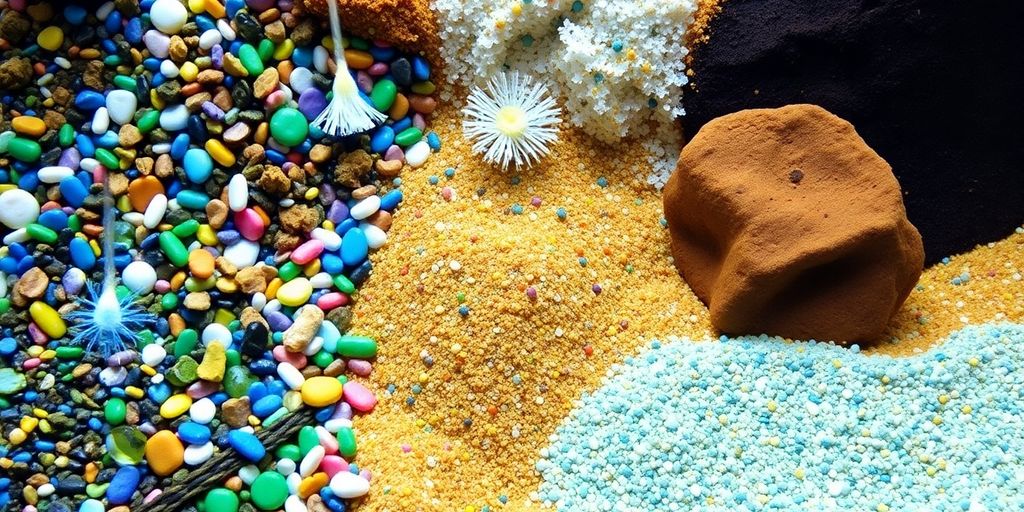
Choosing the right substrate for your aquarium is crucial for both aesthetics and the health of your fish. The substrate not only enhances the look of your tank but also provides a habitat for beneficial bacteria. Here are some common types of substrates:
Types of Substrates
- Gravel: A popular choice, available in various colors and sizes. It allows for good water flow and is easy to clean.
- Sand: Considered the most natural option, sand is available in a range of grain sizes, from coarse to fine. It’s great for bottom-dwelling fish.
- Soil: Ideal for planted tanks, soil provides nutrients for plants and helps maintain water quality.
Choosing the Right Substrate
When selecting a substrate, consider the following:
- Fish Type: Some fish prefer sand, while others thrive in gravel.
- Plant Needs: If you plan to keep live plants, choose a nutrient-rich substrate.
- Maintenance: Some substrates require more upkeep than others.
Preparing and Cleaning Substrate
Before adding substrate to your tank, follow these steps:
- Rinse the substrate thoroughly to remove dust and debris.
- Add it to the tank, ensuring an even layer.
- Fill the tank with water slowly to avoid disturbing the substrate.
Remember, the right substrate can make a big difference in your aquarium’s ecosystem. Choose wisely to create a thriving environment for your fish!
Decorations and Plants
Types of Aquarium Decorations
When it comes to decorating your aquarium, the options are endless. You can choose from:
- Natural decorations like rocks and driftwood.
- Artificial decorations such as plastic plants and ornaments.
- Themed decorations like shipwrecks or underwater castles.
Each type can enhance the beauty of your fish tank and create a comfortable environment for your fish. Live plants are particularly beneficial as they not only look great but also help maintain water quality.
Benefits of Live Plants
Adding live plants to your aquarium has several advantages:
- They provide oxygen for your fish.
- They help absorb harmful substances from the water.
- They offer hiding spots for shy fish.
Low maintenance options like anubias and java fern are great for beginners.
Safe Decoration Practices
Before adding any decorations to your tank, ensure they are safe for your fish. Here are some tips:
- Rinse all decorations thoroughly to remove any chemicals.
- Avoid sharp edges that could harm your fish.
- Make sure any wood is aquarium-safe and free from mold.
Remember, a well-decorated aquarium not only looks beautiful but also creates a healthy habitat for your fish. Choose wisely!
Feeding Your Fish
Types of Fish Food
When it comes to feeding your fish, there are several types of food to consider:
- Flakes: Common for many fish, easy to use.
- Pellets: Good for larger fish, often sink to the bottom.
- Frozen or Freeze-Dried: Great for variety, includes options like bloodworms and brine shrimp.
Feeding Schedules
Establishing a feeding schedule is crucial for your fish’s health. Here are some tips:
- Feed twice a day: Offer small amounts that can be eaten in about five minutes.
- Skip a day: Once a week, skip feeding to help maintain a healthy environment.
- Observe your fish: Make sure all fish are eating and adjust portions as needed.
Avoiding Overfeeding
Overfeeding is a common mistake that can lead to poor water quality and stressed fish. Here are some signs:
- Fish are not eating all the food within five minutes.
- Water appears cloudy or has a bad smell.
- Fish seem lethargic or are hiding more than usual.
Remember, a healthy diet is key to keeping your fish vibrant and active. Regularly check your fish’s health and adjust their diet accordingly!
| Food Type | Protein Level | Best For |
|---|---|---|
| Flakes | Low | Small freshwater fish |
| Pellets | Medium | Larger freshwater fish |
| Freeze-Dried | High | Carnivorous fish |
Maintaining Your Aquarium
Keeping your aquarium in good shape is essential for the health of your fish. Regular maintenance helps prevent problems and keeps your aquatic friends happy. Here are some key areas to focus on:
Regular Cleaning Routines
- Clean the tank: Use a siphon to remove waste from the bottom.
- Scrub the glass: Use an algae pad to keep the glass clear.
- Avoid harsh chemicals: Never use soaps or detergents in your tank.
Water Changes
- Change 10% of the water weekly to keep it fresh.
- Perform a 25% water change monthly to maintain quality.
- Always use dechlorinated water when refilling.
Monitoring Fish Health
- Look for signs of stress or illness in your fish.
- Keep an eye on their eating habits; if they stop eating, it could be a sign of trouble.
- Regularly check water parameters to ensure a healthy environment.
Maintaining your aquarium is not just about cleaning; it’s about creating a thriving ecosystem for your fish.
| Task | Frequency |
|---|---|
| Water Change | Weekly/Monthly |
| Filter Cleaning | Every 4 weeks |
| Tank Cleaning | Weekly |
By following these steps, you can ensure a healthy and beautiful aquarium for your fish to thrive in!
Aquarium Accessories
Nets and Buckets
Having the right tools is essential for maintaining your aquarium. A good fish net is crucial for safely catching and transferring fish. Additionally, a clean bucket is necessary for water changes. Make sure to use a bucket that is free from any chemicals. Label it "For Aquarium Use Only" to avoid any mix-ups.
Siphons and Gravel Vacuums
Siphons are important for cleaning the substrate and performing water changes. They help remove waste and debris from the bottom of the tank. Here are some types of siphons:
- Gravity siphons: Simple and effective for small tanks.
- Electric siphons: More efficient for larger tanks.
- Gravel vacuums: These not only remove water but also clean the gravel.
Thermometers and Water Conditioners
Monitoring water temperature is vital for fish health. A reliable thermometer will help you keep track of the water temperature. Additionally, using a water conditioner is essential to remove harmful chemicals from tap water before adding it to your tank.
| Accessory Type | Purpose |
|---|---|
| Fish Net | Catching and transferring fish |
| Bucket | Water changes and maintenance |
| Siphon | Cleaning substrate and water changes |
| Thermometer | Monitoring water temperature |
| Water Conditioner | Removing harmful chemicals from water |
Remember, having the right accessories can make aquarium maintenance much easier and safer for your fish!
Setting Up a Freshwater Tank
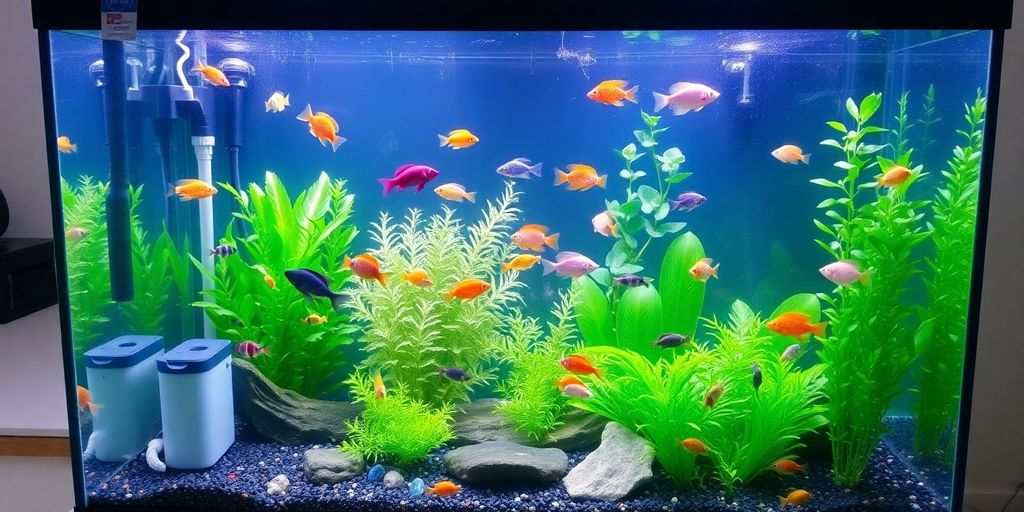
Setting up a freshwater tank can be a fun and rewarding experience. Here’s a simple guide to help you get started.
Initial Setup Steps
- Choose the right tank size: Aim for at least a 16-gallon tank for a healthy environment. Smaller tanks can be used for specific fish like bettas, which can thrive in 5-gallon tanks.
- Clean the tank: Use a damp cloth to wipe the inside and outside of the tank. Avoid using soap or any cleaning agents.
- Set up the stand: Ensure your aquarium stand is sturdy enough to hold the weight of the filled tank. A full tank can weigh around 10-12 pounds per gallon.
Cycling Your Tank
- What is cycling?: This process helps establish beneficial bacteria that break down fish waste, making the water safe for your fish.
- How to cycle: You can cycle your tank by adding a small amount of pond mud or using a commercial cycling product. This can take several weeks.
- Monitor water parameters: Regularly check ammonia, nitrite, and nitrate levels to ensure a safe environment for your fish.
Adding Fish Safely
- Choose compatible fish: Research the types of fish you want to keep. Make sure they can live together peacefully.
- Introduce fish gradually: Add one or two fish at a time to avoid overwhelming your tank’s filtration system. This helps maintain a stable environment.
- Observe fish behavior: Keep an eye on your fish for any signs of stress or illness after introducing them to the tank.
Remember: Setting up a tank takes time and patience. Enjoy the process and watch your aquatic ecosystem thrive!
Special Considerations for Saltwater Tanks
Setting up a saltwater aquarium can be a rewarding experience, but it comes with its own set of challenges. Understanding the unique needs of marine life is crucial for success.
Additional Equipment Needed
To maintain a healthy saltwater environment, you will need specialized equipment. Here are some essentials:
- Protein Skimmer: Helps remove organic waste before it breaks down.
- Powerheads: Provides water movement, which is vital for coral and fish health.
- Live Rock: Acts as a natural filter and habitat for marine life.
Maintaining Salinity Levels
Maintaining the right salinity is vital for your fish and corals. Here’s how to do it:
- Use a Refractometer: This tool measures the specific gravity of your water.
- Regular Water Changes: Change 10-20% of the water weekly to keep salinity stable.
- Monitor Regularly: Check salinity levels at least once a week.
Caring for Marine Life
Caring for marine life requires attention to detail. Here are some tips:
- Research Fish Compatibility: Not all fish get along; ensure they can coexist.
- Feed Properly: Use high-quality marine food to keep your fish healthy.
- Regular Testing: Use test kits to monitor ammonia, nitrite, nitrate, and pH levels.
Remember, patience is key when setting up a saltwater tank. Take your time to research and prepare, and your marine ecosystem will thrive!
When setting up a saltwater tank, there are some important things to keep in mind. First, make sure to choose the right equipment, like filters and heaters, to keep your fish healthy. Also, remember that saltwater fish need special food and care. If you’re looking for the best products for your aquarium, visit our website for great deals and tips!
Final Thoughts on Essential Fish Tank Equipment
Setting up a fish tank can be a fun adventure, but it’s important to have the right tools. From filters to heaters, each piece of equipment plays a key role in keeping your fish happy and healthy. Remember to regularly check your water quality and maintain your tank to create a safe home for your aquatic friends. With the right gear and a little care, you can enjoy a beautiful underwater world right in your home.
Frequently Asked Questions
What size fish tank should I get for beginners?
For beginners, a tank of at least 20 gallons is recommended. It’s easier to maintain water quality in larger tanks.
How often should I clean my fish tank?
You should clean your tank every 1-2 weeks. This includes changing some water and cleaning the filter.
What type of filter is best for my aquarium?
A good choice is a hang-on-back filter or a canister filter. They provide excellent filtration and are easy to maintain.
Do I need a heater for my fish tank?
Yes, most fish need a heater to keep the water at a stable temperature, usually between 74°F and 78°F.
How can I tell if my fish are healthy?
Healthy fish are active, eat well, and have bright colors. Look out for signs of stress or illness, like unusual swimming patterns.
What should I feed my fish?
Feed your fish a diet that includes flakes, pellets, or frozen food. Make sure to choose food suitable for their species.
How do I cycle my aquarium?
Cycling your tank means establishing beneficial bacteria to break down fish waste. You can do this by adding fish gradually or using bacteria supplements.
Can I keep different types of fish together?
Yes, but make sure to research the species to ensure they are compatible and have similar water requirements.