Aquariums can be a wonderful addition to your home, offering beauty and a glimpse into underwater life. However, setting up and maintaining a fish tank requires careful planning and knowledge. This guide will walk you through the essentials, from choosing the right tank to caring for your aquatic friends. Whether you’re a beginner or an experienced hobbyist, you’ll find valuable tips to help you create a thriving aquarium.
Key Takeaways
- Choosing the right size tank is crucial for fish health and happiness.
- Regular water testing helps maintain a safe environment for your fish.
- Proper lighting enhances the beauty of the aquarium and supports plant growth.
- Understanding fish diets ensures they receive the nutrition they need.
- Aquascaping adds visual appeal and provides hiding spots for fish.
Choosing the Right Fish Tanks & Aquariums for Your Needs
When it comes to setting up your aquarium, selecting the right tank is crucial. The right choice can make a big difference in the health and happiness of your fish. Here are some important factors to consider:
Factors to Consider When Selecting a Tank
- Size: Choose a tank that fits your space and the number of fish you want. A larger tank is often more stable and easier to maintain.
- Type of Fish: Different fish have different needs. Research the species you want to keep to ensure they fit well in your chosen tank.
- Location: Place your tank in a spot that avoids direct sunlight and drafts to maintain a stable environment.
Different Types of Fish Tanks
| Type of Tank | Description | Best For |
|---|---|---|
| Freshwater Tank | Easier to maintain, ideal for beginners | Community fish |
| Saltwater Tank | More complex, requires more equipment | Marine species |
| Reef Tank | Contains live corals and marine life | Advanced aquarists |
Pros and Cons of Various Aquarium Materials
- Glass:
- Pros: Scratch-resistant, easy to clean.
- Cons: Heavy and can break easily.
- Acrylic:
- Pros: Lighter, more impact-resistant.
- Cons: Scratches easily and can discolor over time.
- Plastic:
- Pros: Lightweight and affordable.
- Cons: Less durable and can warp.
Choosing the right aquarium is the first step in creating a beautiful aquatic environment. Take your time to research and select the best option for your needs!
Setting Up Your First Aquarium: A Step-by-Step Guide
Setting up your first aquarium can be exciting and a bit overwhelming. Follow these steps to create a thriving aquatic environment.
Essential Equipment for Beginners
To get started, you will need some basic equipment:
- Aquarium tank: A 10-gallon tank is a great choice for beginners.
- Filter: This keeps the water clean and healthy for your fish.
- Heater: Necessary for tropical fish to maintain warm water.
- Lighting: Helps plants grow and makes your tank look beautiful.
- Substrate: Gravel or sand for the bottom of the tank.
How to Cycle Your Aquarium
Cycling your aquarium is crucial for establishing beneficial bacteria. Here’s how:
- Set up your tank with water, substrate, and decorations.
- Add a source of ammonia (like fish food) to start the cycle.
- Test the water regularly to monitor ammonia, nitrite, and nitrate levels.
- Wait for 4-6 weeks until the cycle is complete.
Tips for Adding Fish to Your New Tank
Once your tank is cycled, it’s time to add fish:
- Choose hardy fish to start, like guppies or tetras.
- Introduce fish slowly: Add a few at a time to avoid overwhelming the tank.
- Monitor water quality regularly to ensure a healthy environment.
Remember, patience is key when setting up your aquarium. Enjoy the process and watch your underwater world come to life!
Maintaining Water Quality in Fish Tanks & Aquariums
Keeping your fish tank clean and healthy is crucial for the well-being of your aquatic friends. Regular maintenance is key to ensuring a thriving environment. Here are some important aspects to consider:
Importance of Regular Water Testing
- Regular water testing helps you monitor the health of your aquarium.
- It can prevent issues that may arise from poor water quality, which is a leading cause of fish death.
- Testing should include checking for pH, ammonia, nitrite, and nitrate levels.
How to Use Aquarium Test Strips
- Choose the right test strips for your aquarium type (freshwater or saltwater).
- Dip the strip into the water and wait for the recommended time.
- Compare the colors on the strip to the chart provided to determine water quality.
| Parameter | Ideal Range | Action Needed if Out of Range |
|---|---|---|
| pH | 6.5 – 7.5 | Adjust with pH increaser/decreaser |
| Ammonia | 0 ppm | Perform water change and check filter |
| Nitrate | < 20 ppm | Perform water change |
Common Water Quality Issues and Solutions
- High Ammonia Levels: Can be toxic to fish. Regular water changes and proper filtration can help.
- Nitrate Buildup: Regular water changes and live plants can reduce nitrate levels.
- pH Fluctuations: Use buffers to stabilize pH levels.
Maintaining water quality is essential for a healthy aquarium. Regular testing and monitoring can prevent many common issues and ensure your fish thrive.
By following these guidelines, you can create a safe and enjoyable environment for your fish, making your aquarium a beautiful and lively part of your home!
Aquarium Lighting: Enhancing the Beauty of Your Fish Tank
Types of Aquarium Lights
There are several types of lights you can use for your aquarium:
- LED Lights: These are energy-efficient and long-lasting. They provide bright light and can enhance the colors of your fish and plants.
- Fluorescent Lights: These are common and come in various sizes. They are good for growing plants but may need to be replaced more often than LEDs.
- Incandescent Lights: These are less common now but can be used for small tanks. They produce a lot of heat, which can be a problem.
Choosing the Right Lighting for Your Tank
When selecting lighting, consider the following:
- Tank Size: Larger tanks may need more powerful lights.
- Type of Fish and Plants: Some fish and plants require more light than others.
- Light Duration: Aim for about 10-12 hours of light per day to mimic natural conditions.
Benefits of LED Aquarium Lights
- Energy Efficient: They use less electricity compared to other types.
- Long Lifespan: LEDs can last for years, reducing replacement costs.
- Customizable: Many LED lights allow you to change colors and brightness, creating a stunning visual effect.
Proper lighting is essential for a healthy aquarium. It not only enhances the beauty of your fish tank but also supports the growth of aquatic plants and the overall health of your fish.
In summary, choosing the right lighting can significantly impact the beauty and health of your aquarium. Whether you opt for LEDs, fluorescent, or incandescent lights, make sure to consider the needs of your aquatic life and the aesthetic you want to achieve. Investing in quality lighting will pay off in the long run.
Filtration Systems for Fish Tanks & Aquariums
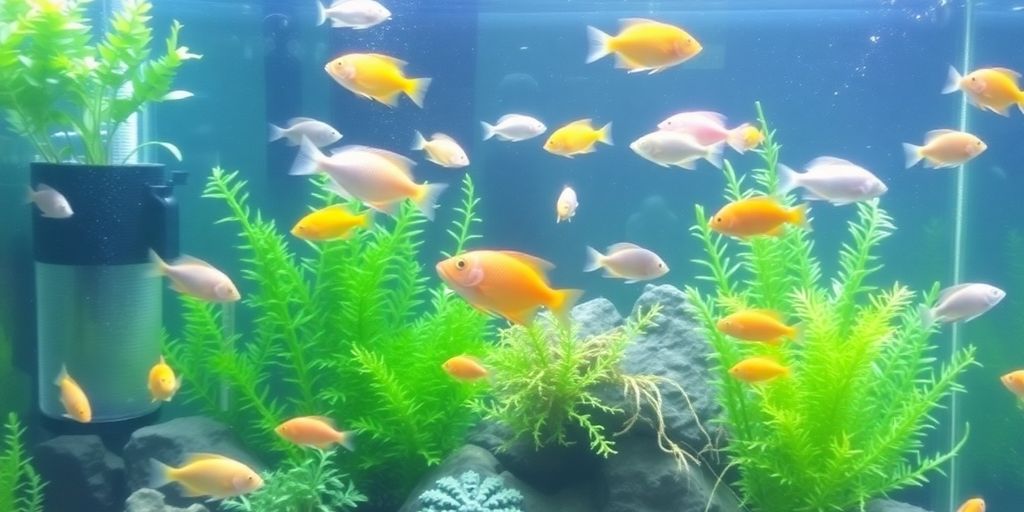
Different Types of Aquarium Filters
When it comes to keeping your fish tank clean, choosing the right filter is essential. Here are the main types of filters:
- Canister Filters: Great for larger tanks, they provide powerful filtration and can handle a lot of water.
- Hang-On-Back Filters: Easy to install and maintain, these filters hang on the back of the tank and are suitable for smaller aquariums.
- Internal Filters: These are placed inside the tank and are ideal for smaller setups or breeding tanks.
How to Choose the Right Filter
Choosing the right filter depends on several factors:
- Tank Size: Larger tanks need more powerful filters.
- Type of Fish: Some fish produce more waste and need stronger filtration.
- Budget: Filters come in various price ranges, so choose one that fits your budget.
Maintaining Your Aquarium Filter
Regular maintenance is key to keeping your filter working well. Here are some tips:
- Clean the filter media every month to prevent clogging.
- Replace filter cartridges as needed, usually every 4-6 weeks.
- Check the pump and hoses for any blockages or wear.
| Filter Type | Pros | Cons |
|---|---|---|
| Canister Filters | High capacity, versatile | Can be expensive |
| Hang-On-Back Filters | Easy to install, affordable | May not be powerful enough for large tanks |
| Internal Filters | Compact, good for small tanks | Limited filtration capacity |
Remember, a good filtration system is vital for a healthy aquarium. It helps maintain water quality and keeps your fish happy!
Aquascaping: Creating a Beautiful Underwater Landscape
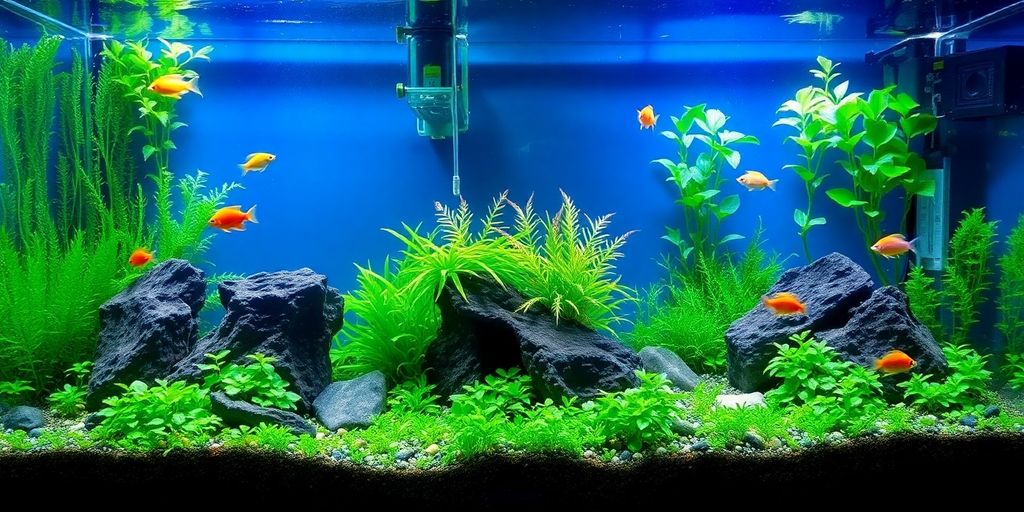
Basics of Aquascaping
Aquascaping is the art of designing beautiful underwater landscapes in your aquarium. Creating a stunning aquascape can enhance the overall look of your tank and provide a healthy environment for your fish. Here are some key elements to consider:
- Layout: Think about how you want to arrange rocks, plants, and decorations.
- Balance: Ensure that your design feels balanced and harmonious.
- Depth: Use taller plants in the back and shorter ones in the front to create depth.
Popular Aquascaping Styles
There are several styles of aquascaping you can choose from:
- Iwagumi: Focuses on rocks and minimal plants.
- Dutch: Emphasizes a variety of plants and colors.
- Nature Aquarium: Mimics natural landscapes with rocks, wood, and plants.
Tips for Using Plants and Decorations
When selecting plants and decorations, keep these tips in mind:
- Choose compatible plants that thrive in your tank’s conditions.
- Use natural materials like driftwood and rocks for a more authentic look.
- Regularly trim plants to maintain their shape and health.
Remember, aquascaping is a creative process. Don’t be afraid to experiment and find what works best for you!
Feeding Your Fish: Nutrition and Diet Tips
Types of Fish Food
When it comes to feeding your fish, there are several types of food to consider:
- Flakes: Great for most fish, easy to use.
- Pellets: Good for larger fish, providing balanced nutrition.
- Freeze-Dried: Offers variety and is high in protein.
- Live Food: Excellent for certain species, but requires careful handling.
Feeding Schedules and Amounts
Establishing a feeding routine is crucial. Here are some tips:
- Feed small amounts 1-2 times a day.
- Observe your fish; they should eat within 2-3 minutes.
- Adjust portions based on the number of fish and their size.
Special Dietary Needs for Different Fish Species
Different fish have unique dietary requirements. Here’s a quick guide:
| Fish Type | Diet Type | Special Needs |
|---|---|---|
| Goldfish | Herbivore | High fiber, low protein |
| Betta | Carnivore | High protein, live or frozen food |
| Cichlids | Omnivore | Variety of protein and plant food |
Remember, a balanced diet is key to keeping your fish healthy and vibrant! Regularly changing their diet can also prevent boredom and encourage natural behaviors.
Common Fish Diseases and How to Treat Them
Identifying Symptoms of Fish Diseases
Fish can suffer from various diseases, and recognizing the symptoms early is crucial for their health. Here are some common signs to watch for:
- Lethargy: Fish that are less active than usual.
- Loss of Appetite: Not eating or showing interest in food.
- Abnormal Swimming: Swimming erratically or floating at the surface.
Preventative Measures to Keep Fish Healthy
To maintain pet fish health, consider these preventative steps:
- Regular Water Testing: Use test strips to monitor water quality.
- Proper Feeding: Ensure a balanced diet tailored to your fish species.
- Quarantine New Fish: Isolate new arrivals for at least two weeks before introducing them to your main tank.
Effective Treatments for Common Diseases
If your fish show signs of illness, here are some common diseases and their treatments:
| Disease | Symptoms | Treatment |
|---|---|---|
| Freshwater Ich (Ich) | White spots on the body | Increase temperature and use medication. |
| Velvet Disease | Gold dust appearance on skin | Treat with copper-based medications. |
| Fin Rot | Frayed or disintegrating fins | Improve water quality and use antibacterial treatment. |
If you need help in diagnosing and treating fish disease, please contact a specialist fish vet.
By being proactive and observant, you can help ensure your fish remain healthy and vibrant. Regular maintenance and care are key to preventing diseases and keeping your aquarium thriving!
Breeding Fish in Your Aquarium
Breeding fish can be a rewarding experience for aquarium enthusiasts. Understanding the right conditions is key to successfully breeding your fish. Here’s a guide to help you get started:
Choosing the Right Fish for Breeding
- Select Compatible Species: Not all fish can breed together. Research which species are compatible.
- Consider Their Breeding Habits: Some fish lay eggs, while others give live birth. Know what to expect from your chosen species.
- Healthy Breeders: Ensure that the fish you select are healthy and mature enough to breed.
Setting Up a Breeding Tank
- Tank Size: A separate breeding tank is often necessary. A 10-gallon tank is a good start for many species.
- Water Conditions: Maintain optimal water quality with proper pH and temperature settings specific to the species.
- Hiding Spots: Provide plants or decorations where fish can lay eggs and feel safe.
Caring for Fry and Juvenile Fish
- Feeding: Start with finely crushed fish food or specialized fry food.
- Water Changes: Regularly change the water to keep it clean and safe for the young fish.
- Monitor Growth: Keep an eye on their growth and health, separating them if necessary to prevent overcrowding.
Breeding fish requires patience and attention to detail. By creating the right environment, you can enjoy watching your fish thrive and multiply!
Advanced Aquarium Techniques for Enthusiasts
As you dive deeper into the world of aquariums, you’ll discover that there are many advanced techniques to enhance your setup. Mastering these techniques can lead to a thriving aquatic environment. Here are some key areas to focus on:
Mastering Water Chemistry
Understanding water chemistry is crucial for maintaining a healthy aquarium. Here are some important aspects:
- pH Levels: Keep your pH balanced to suit your fish species.
- Nutrient Balance: Ensure that nutrients like nitrates and phosphates are at optimal levels.
- Nitrogen Cycle: Familiarize yourself with the nitrogen cycle to prevent harmful ammonia buildup.
Advanced Aquascaping Techniques
Creating a stunning underwater landscape is an art. Here are some tips:
- Choose the Right Substrate: Different plants require different substrates for optimal growth.
- Layering: Use rocks and driftwood to create depth and interest.
- Plant Selection: Select plants that complement each other in color and growth patterns.
Breeding Rare Fish Species
If you’re interested in breeding, consider these steps:
- Select Compatible Pairs: Research the best pairings for breeding.
- Set Up a Breeding Tank: Create a separate tank with ideal conditions for breeding.
- Care for Fry: Ensure you have the right food and environment for the young fish.
Remember, knowledge is power when it comes to aquarium keeping. By investing in advanced techniques, you can create a beautiful and healthy aquatic ecosystem.
Conclusion
By mastering these advanced techniques, you can elevate your aquarium hobby to new heights. Whether it’s through understanding water chemistry, perfecting aquascaping, or breeding rare fish, there’s always something new to learn and explore in the fascinating world of aquariums.
Aquarium Accessories and Gadgets
Must-Have Accessories for Fish Tanks
When setting up your aquarium, having the right accessories can make a big difference. Here are some essential items:
- Aquarium Test Strips: These are crucial for monitoring water quality. They help you check pH, nitrite, and nitrate levels, ensuring a healthy environment for your fish.
- Filters: A good filtration system is vital for keeping the water clean. There are various types, including hang-on-back and canister filters.
- Heaters: If you have tropical fish, a heater is necessary to maintain the right temperature.
Innovative Gadgets to Enhance Your Aquarium
In addition to basic accessories, there are some cool gadgets that can enhance your aquarium experience:
- Automatic Feeders: These devices can dispense food at scheduled times, making it easier to care for your fish when you’re not home.
- LED Lighting: Not only does it look great, but it also helps plants grow and can simulate day and night cycles.
- Water Change Systems: These systems simplify the process of changing water, making it less of a chore.
How to Use Aquarium Tools Effectively
To get the most out of your aquarium tools, follow these tips:
- Regularly test your water using test strips to catch any issues early.
- Clean your filter every month to ensure it works efficiently.
- Use a thermometer to monitor the water temperature consistently.
Remember, maintaining a healthy aquarium is a continuous process. Regular checks and updates to your equipment can lead to a thriving aquatic environment.
In summary, having the right accessories and gadgets can greatly enhance your aquarium experience. From essential tools like filters and heaters to innovative gadgets like automatic feeders, each item plays a role in creating a beautiful and healthy underwater world.
If you’re looking to enhance your aquarium experience, check out our wide range of accessories and gadgets! From filters to lights, we have everything you need to keep your aquatic friends happy and healthy. Visit our website today to explore all the amazing products we offer!
Final Thoughts on Fish Tanks and Aquariums
In conclusion, choosing the right fish tank or aquarium is key to creating a happy home for your aquatic friends. Whether you’re just starting out or have been in the hobby for a while, there’s always something new to learn. Remember to consider the size of your tank, the type of fish you want, and the equipment you’ll need. Regularly checking water quality is also important to keep your fish healthy. With the right setup and care, you can enjoy the beauty of an aquarium and the joy it brings. Dive into this exciting hobby and let your underwater world flourish!
Frequently Asked Questions
What should I consider when choosing a fish tank?
When picking a fish tank, think about the size, type of fish you want, and the space you have. Also, consider the tank’s material and whether you prefer freshwater or saltwater.
How do I set up my first aquarium?
To set up your first aquarium, start by cleaning the tank, adding substrate, and setting up the filter and heater. Then, fill it with water and let it cycle before adding fish.
Why is water quality important for my fish?
Good water quality is crucial for fish health. Poor water can cause stress and illness, so regular testing and maintenance are essential.
What types of fish are best for beginners?
Beginner-friendly fish include guppies, tetras, and goldfish. They are generally hardy and easy to care for.
How often should I feed my fish?
Feed your fish once or twice a day, giving them only what they can eat in a few minutes to avoid overfeeding.
What should I do if my fish get sick?
If your fish show signs of illness, check the water quality and consider isolating them. You may need to treat them with medication or adjust their environment.
Can I keep different species of fish together?
Yes, but make sure the species you choose are compatible. Research their needs and behaviors to avoid conflicts.
How can I maintain my aquarium?
Regular maintenance includes changing a portion of the water, cleaning the tank and equipment, and testing water parameters to ensure a healthy environment.