If you’re thinking about adding a large aquarium to your home, you’re in for a treat! Aquariums not only beautify your space but also create a peaceful atmosphere. This guide will help you find the best deals on large aquariums, accessories, and maintenance tips to ensure your underwater paradise thrives.
Key Takeaways
- Large aquariums can enhance your home’s decor and provide a calming effect.
- Consider brands with good customer reviews when choosing an aquarium.
- Think about the size and shape of the aquarium that fits your space.
- Don’t forget essential accessories like filters and lights for your aquarium.
- Regular maintenance is key to keeping your aquarium healthy and beautiful.
Top Large Aquariums for Sale to Transform Your Home
Best Brands for Large Aquariums
When it comes to large aquariums, several brands stand out for their quality and design. Here are some of the best:
- Aqueon: Known for their durable tanks and comprehensive kits.
- Fluval: Offers stylish designs with advanced filtration systems.
- Marina: Provides affordable options without compromising quality.
Customer Reviews and Testimonials
Many customers rave about their experiences with large aquariums. Here are some highlights:
- "The Aqueon tank transformed my living room!"
- "I love the Fluval design; it fits perfectly in my space."
- "Marina tanks are budget-friendly and look great!"
Where to Buy Large Aquariums
Finding the right place to purchase your aquarium is crucial. Here are some popular options:
- Local Pet Stores: Great for hands-on shopping and advice.
- Online Retailers: Websites like Amazon and Chewy often have competitive prices.
- Specialty Aquarium Shops: These stores offer a wide range of options and expert advice.
Investing in a large aquarium can be a rewarding experience, enhancing both your home and your well-being. Explore affordable long fish tanks for sale to create your aquatic paradise!
Choosing the Right Large Aquarium for Your Space
When selecting a large aquarium, it’s essential to consider various factors to ensure it fits perfectly in your home. Choosing the right size and type can make a big difference in your aquatic experience.
Factors to Consider
- Space Availability: Measure the area where you plan to place the aquarium. Ensure there’s enough room for the tank and maintenance access.
- Weight Capacity: Large aquariums can be heavy when filled with water. Check if your floor can support the weight.
- Aquarium Type: Decide between freshwater and saltwater tanks, as they have different requirements and maintenance needs.
Popular Sizes and Shapes
| Size (Gallons) | Dimensions (inches) | Best For |
|---|---|---|
| 55 | 48 x 13 x 21 | Community fish |
| 75 | 48 x 18 x 21 | Larger fish species |
| 125 | 72 x 18 x 21 | Aquascaping and reefs |
Customizable Options
- Backgrounds: Many aquariums come with customizable backgrounds to enhance the visual appeal.
- Lighting: Choose LED lights that can be adjusted for brightness and color to suit your aquatic life.
- Decorations: Consider adding plants, rocks, and other decorations to create a natural habitat for your fish.
A well-chosen aquarium not only beautifies your space but also provides a healthy environment for your aquatic pets.
In summary, when choosing a large aquarium, think about the space, weight, type, and customization options. This will help you create a stunning aquatic display that enhances your home.
Essential Accessories for Your Large Aquarium
When setting up a large aquarium, having the right accessories is crucial for maintaining a healthy environment for your aquatic life. Here are some essential items you should consider:
Filtration Systems
- Multi-stage filters: These are vital for keeping the water clean and clear. They help remove waste and toxins, ensuring a safe habitat for your fish.
- Siphon cleaners: These tools make it easy to remove debris from the bottom of the tank, keeping the substrate clean.
- Replacement filter media: Regularly changing the filter media is important for effective filtration.
Lighting Options
- LED lights: Energy-efficient and long-lasting, LED lights enhance the beauty of your aquarium while providing necessary light for plants.
- Adjustable lighting: This allows you to simulate day and night cycles, which is beneficial for fish and plants.
- Aquarium plant lights: Specially designed to promote plant growth, these lights can make your aquarium more vibrant.
Heating Solutions
- Aquarium heaters: Essential for maintaining the right temperature, especially for tropical fish. Make sure to choose a heater that matches your tank size.
- Thermometers: Monitoring the water temperature is crucial. Digital thermometers are often more accurate than traditional ones.
- Heater guards: These protect fish from getting too close to the heater, preventing burns.
Remember: Investing in quality accessories can significantly enhance the health and beauty of your aquarium. Regular maintenance and the right tools will ensure a thriving aquatic environment.
| Accessory Type | Recommended Brands | Price Range |
|---|---|---|
| Filtration Systems | Aqueon, Fluval | $30 – $150 |
| Lighting Options | Kessil, Current USA | $20 – $200 |
| Heating Solutions | Eheim, Hydor | $15 – $100 |
Maintaining Your Large Aquarium
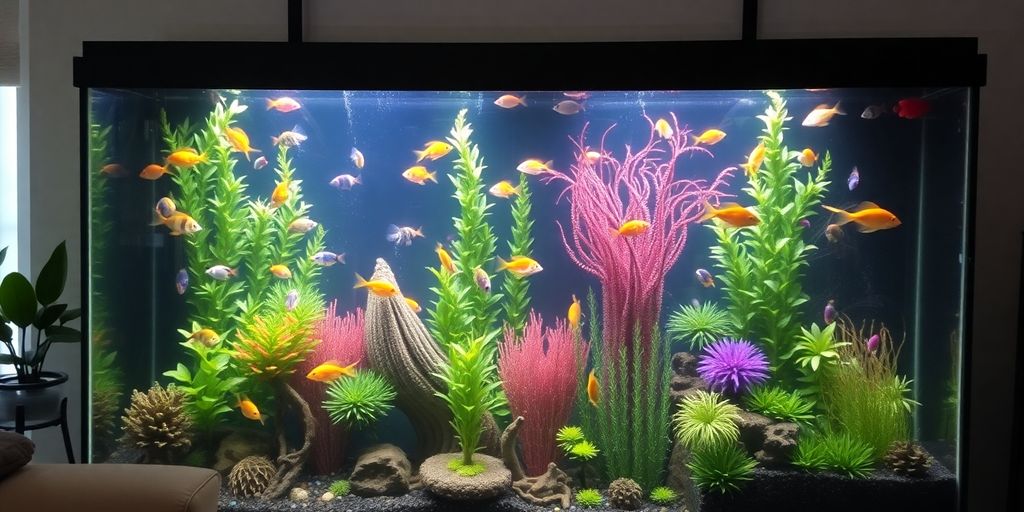
Keeping your large aquarium in great shape is essential for the health of your fish and plants. Regular maintenance is key to a thriving aquatic environment. Here are some important tips to help you maintain your aquarium:
Cleaning Tips
- Water Changes: Aim for a 50% water change every two months to keep the water clean and fresh. This helps remove excess nutrients and waste.
- Substrate Care: Avoid vacuuming the substrate too often; this can disturb beneficial bacteria. Instead, focus on cleaning only the mechanical media in your filter once a week.
- Glass Cleaning: Regularly clean the algae off the front glass to ensure clear visibility of your aquatic life.
Water Quality Management
- Test your water regularly for pH, ammonia, nitrites, and nitrates. Keeping these levels stable is crucial for fish health.
- Use a reliable filtration system to maintain water clarity and quality. Change filter media as needed to ensure effective filtration.
Common Issues and Solutions
- Algae Growth: If you notice excessive algae, consider reducing light exposure and increasing water changes.
- Fish Health: Monitor your fish for signs of stress or illness. Quarantine new fish before introducing them to your main tank to prevent disease spread.
Maintaining a large aquarium requires attention to detail and consistent care. Regular water changes are vital to remove excess nutrients and waste.
By following these tips, you can create a beautiful and healthy environment for your aquatic friends!
Setting Up Your Large Aquarium
Setting up a large aquarium can be an exciting project! Follow these steps to ensure a smooth setup.
Step-by-Step Guide
- Choose a Location: Start by finding a spot that’s level and sturdy. Your fish tank needs a strong, stable base to avoid any tipping or shaking.
- Prepare the Tank: Rinse the aquarium with water (no soap) to remove any dust or residues.
- Add Substrate: Pour in the substrate, which is the material at the bottom of the tank. A good rule of thumb is to use about 1 inch of substrate for every 10 gallons of water.
- Install Equipment: Set up your filtration system, heater, and any other necessary equipment. Make sure to follow the manufacturer’s instructions.
- Fill the Tank: Slowly fill the tank with water to avoid disturbing the substrate. You can use a plate or bowl to deflect the water.
- Test Water Quality: Before adding fish, test the water quality to ensure it’s safe for your aquatic friends. Aim for an initial amount of 20 gallons to begin.
Necessary Tools and Equipment
- Aquarium Filter: Essential for keeping the water clean.
- Heater: Necessary for maintaining the right temperature.
- Water Test Kits: To check pH, ammonia, and nitrite levels.
Initial Water Testing
After filling the tank, let it run for at least 24 hours before adding fish. This allows the equipment to stabilize. Test the water again to ensure everything is in the right range for your fish species.
Setting up a large aquarium is a rewarding experience that requires careful planning. From the right tank size and equipment to choosing compatible fish and plants, this guide provides tips to create a beautiful underwater environment.
Decorating Your Large Aquarium
Creating a beautiful aquarium is not just about the fish; it’s also about how you decorate the space. A well-decorated aquarium can enhance the overall look of your home. Here are some ideas to get you started:
Aquascaping Ideas
- Natural Plants: Adding aquatic plants can bring color and texture to your aquarium. They also provide hiding spots for fish.
- Rocks and Wood: Use rocks and pieces of wood to create focal points and hiding spots. This can make your aquarium feel more natural.
- Backgrounds: Consider using a colorful background to enhance the visual appeal of your aquarium.
Choosing the Right Plants and Decorations
- Live Plants: They help maintain water quality and provide oxygen.
- Artificial Plants: These are low-maintenance and come in various styles.
- Decorative Items: Use items like castles or caves to create a fun environment for your fish.
Creating a Natural Habitat
- Layering Substrate: Use different types of substrate to mimic natural environments.
- Water Flow: Ensure that decorations do not obstruct water flow, which is essential for fish health.
- Lighting: Proper lighting can highlight your decorations and plants, making your aquarium more inviting.
Remember, the goal is to create a balanced environment that is both beautiful and functional for your fish.
By following these tips, you can transform your aquarium into a stunning centerpiece in your home!
Benefits of Having a Large Aquarium at Home
Aesthetic Appeal
A large aquarium can be a stunning centerpiece in any room. It adds beauty and a sense of tranquility to your home, making it a more inviting space. The vibrant colors of the fish and the gentle movement of water can captivate anyone who enters.
Health Benefits
Keeping a fish tank at home is considered positive for several reasons. Studies show that watching fish swim can reduce stress and anxiety, promoting relaxation. This calming effect can help create a peaceful environment, making your home a sanctuary.
Educational Opportunities
Having a large aquarium can also be a great educational tool. It provides a chance to learn about aquatic life, ecosystems, and the responsibilities of pet ownership. This can be especially beneficial for children, fostering a sense of curiosity and care for living creatures.
A large aquarium not only beautifies your space but also enhances your well-being and knowledge.
Summary of Benefits
| Benefit | Description |
|---|---|
| Aesthetic Appeal | Enhances home decor and creates a focal point. |
| Health Benefits | Reduces stress and promotes relaxation. |
| Educational Opportunities | Teaches about ecosystems and responsibility. |
In conclusion, a large aquarium can transform your home into a beautiful, calming, and educational space.
Budget-Friendly Large Aquariums
When looking for a large aquarium that won’t break the bank, there are plenty of options available. Used large aquariums for sale can be a great way to save money while still getting a quality tank. Here are some tips to help you find the best deals:
Affordable Brands
- Aquael: Known for their durable and stylish designs.
- Fluval: Offers a range of sizes and features at reasonable prices.
- Marina: Great for beginners with budget-friendly options.
DIY Aquarium Projects
Creating your own aquarium setup can be both fun and cost-effective. Here are some ideas:
- Repurpose old furniture: Use a sturdy table or cabinet as a base for your aquarium.
- Build your own stand: Use wood or metal to create a custom stand that fits your space.
- Create decorations: Use natural materials like rocks and driftwood to enhance the look of your aquarium.
Finding Discounts and Deals
- Online Marketplaces: Websites like eBay often have used large aquariums for sale at lower prices.
- Local Classifieds: Check platforms like Craigslist for local sellers.
- Aquarium Stores: Many stores have sales or clearance sections for older models.
Remember, a little research can lead to significant savings. Look for 120-gallon tank capacity for sale to find larger options that fit your budget!
Advanced Tips for Experienced Aquarists
Breeding Fish in Large Aquariums
Breeding fish can be a rewarding experience. Here are some tips to help you succeed:
- Choose the Right Species: Not all fish breed easily. Research species that are known to breed in captivity.
- Create a Suitable Environment: Ensure the tank has the right conditions, such as temperature and pH levels, for breeding.
- Provide Hiding Spots: Use plants or decorations to give fish places to hide, which can encourage breeding behavior.
Advanced Filtration Techniques
To maintain a healthy aquarium, consider these advanced filtration methods:
- Canister Filters: These provide excellent mechanical and biological filtration.
- Sump Systems: Ideal for larger tanks, they allow for more filtration media and better water circulation.
- Refugiums: These can help manage algae and provide a habitat for beneficial organisms.
Optimizing Aquarium Lighting
Proper lighting is crucial for both fish and plants. Here’s how to optimize it:
- Use LED Lights: They are energy-efficient and can be adjusted for intensity.
- Set a Timer: Consistent light cycles help maintain a stable environment for your fish.
- Consider Plant Needs: Different plants have varying light requirements, so choose accordingly.
Remember: Regular maintenance and monitoring are key to a thriving aquarium. Keeping an eye on water quality and fish health will help you enjoy your aquatic paradise for years to come!
Comparing Freshwater and Saltwater Large Aquariums
When it comes to choosing between freshwater and saltwater aquariums, there are several important factors to consider. Both types offer unique experiences and challenges.
Pros and Cons of Each Type
| Feature | Freshwater Aquariums | Saltwater Aquariums |
|---|---|---|
| Setup Complexity | Easier to set up and maintain | More complex, requires special equipment |
| Cost | Generally less expensive | Can be more costly due to equipment and fish |
| Fish Variety | Wide variety of species available | Unique and colorful species, but fewer options |
| Water Quality | Easier to maintain stable conditions | Requires regular testing and adjustments |
Maintenance Differences
- Water Changes: Freshwater tanks typically need less frequent water changes compared to saltwater tanks, which require more regular maintenance to keep the water quality high.
- Equipment: Saltwater tanks often need specialized equipment like protein skimmers and more advanced filtration systems.
- Fish Compatibility: Freshwater fish are generally easier to keep together, while saltwater fish may have specific compatibility needs.
Best Fish for Each Type
- Freshwater: Betta fish, guppies, and tetras are popular choices for beginners.
- Saltwater: Clownfish, tangs, and angelfish are often sought after for their vibrant colors and unique behaviors.
In summary, both freshwater and saltwater aquariums can be rewarding, but they cater to different levels of experience and commitment. Choose the one that best fits your lifestyle and interests!
Innovative Large Aquarium Designs
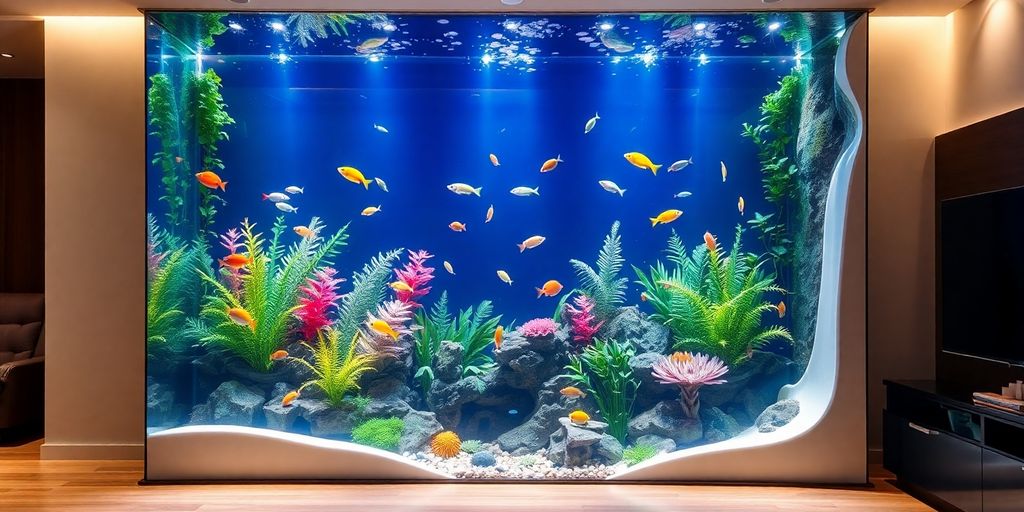
When it comes to creating a stunning aquatic display in your home, innovative aquarium designs can make a big difference. Unique shapes and placements can transform your space into a captivating underwater world.
Wall-Mounted Aquariums
Wall-mounted aquariums are a fantastic way to save space while adding a beautiful focal point to your room. They offer:
- Stunning Visual Displays: These aquariums resemble living art, providing a unique view of underwater life.
- Enhanced Viewing Experience: The panoramic layout allows for a wider viewing angle, making the aquatic environment feel more immersive.
- Space-Saving Solutions: Perfect for smaller homes or apartments where floor space is limited.
Corner Aquariums
Corner aquariums are designed to fit snugly into the corners of your room, maximizing space. They provide:
- Maximized Space Usage: Corners are often underutilized, and these tanks can turn them into beautiful displays.
- Versatile Design Options: Available in various styles to match your home decor.
- Aesthetic Appeal: The unique shape can enhance the overall look of your room.
Porthole Aquariums
Porthole aquariums offer a modern twist on traditional designs. They feature:
- Stylish Aesthetics: Resembling a window into an underwater world, they add a unique touch to any space.
- Limited Viewing Angle: While they look great, they may not provide the same expansive view as other designs.
- Compact Size: Ideal for smaller rooms, they save valuable floor space while still being eye-catching.
Innovative aquarium designs not only enhance the beauty of your home but also create a serene environment that can be enjoyed by everyone.
Summary Table of Innovative Designs
| Design Type | Key Features | Ideal For |
|---|---|---|
| Wall-Mounted | Stunning visuals, space-saving | Small homes, apartments |
| Corner | Maximizes space, versatile options | Any room with corners |
| Porthole | Stylish, compact | Smaller rooms |
Safety Tips for Large Aquarium Owners
Preventing Leaks and Spills
To keep your home safe, it’s crucial to regularly check for leaks. Here are some tips:
- Inspect seals around the tank for any signs of wear.
- Use a drip tray under the aquarium to catch any leaks.
- Ensure that the tank is on a level surface to prevent tipping.
Safe Handling of Equipment
When working with aquarium equipment, follow these guidelines:
- Always unplug electrical devices before cleaning.
- Use non-toxic cleaning supplies to avoid harming your fish.
- Be cautious when handling glass to prevent cuts.
Ensuring Fish Health and Safety
Maintaining a healthy environment for your fish is essential. Consider these points:
- Regularly test water quality to ensure it’s safe for your fish.
- Keep the tank covered to prevent fish from jumping out.
- Monitor fish behavior for signs of stress or illness.
Keeping your aquarium safe and healthy requires regular attention and care. By following these tips, you can create a safe environment for both your fish and your home.
If you own a large aquarium, keeping your fish safe is super important! Make sure to check the water quality regularly and keep the tank clean. Always monitor the temperature and avoid overcrowding your tank. For more tips and to find the best products for your aquarium, visit our website today!
Final Thoughts on Large Aquariums
In conclusion, finding the right large aquarium can truly change your home. With so many options available, you can pick one that fits your style and needs. Whether you want a simple setup or something more elaborate, there are great deals out there. Remember to consider the space you have and the type of fish you want to keep. A well-chosen aquarium not only adds beauty to your home but also brings a sense of calm. So, take your time, explore your choices, and enjoy the process of creating your own underwater paradise.
Frequently Asked Questions
What size aquarium is best for beginners?
If you’re new to fishkeeping, a 20 to 30-gallon aquarium is a good start. It’s big enough to create a stable environment for fish.
How do I choose the right fish for my aquarium?
Consider the size of your tank, the water type (freshwater or saltwater), and the fish’s temperament. Research which fish can live together peacefully.
What equipment do I need for a large aquarium?
You’ll need a filter, heater, lighting, and possibly a protein skimmer for saltwater tanks. Don’t forget decorations and substrate!
How often should I clean my aquarium?
You should do partial water changes every 1-2 weeks and clean the filter as needed. Regular maintenance keeps the tank healthy.
Can I keep plants in my aquarium?
Yes! Live plants can help improve water quality and provide hiding spots for fish. Make sure to choose plants that fit your tank’s conditions.
What is the best way to cycle a new aquarium?
You can cycle your tank by adding a few hardy fish or using beneficial bacteria to establish a healthy environment before adding more fish.
How do I prevent algae growth in my aquarium?
Control light exposure, avoid overfeeding, and regularly clean the tank. You can also add algae-eating fish or snails.
Is it safe to buy used aquariums?
Yes, as long as you inspect them for cracks or leaks and thoroughly clean them before use. Ensure all equipment is working properly.