Setting up a freshwater fish tank can be both exciting and a little overwhelming, especially for beginners. With the right tools and knowledge, you can create a beautiful and healthy environment for your fish. In this article, we will share ten essential tips that will guide you through the process of setting up your aquarium. From choosing the right tank to maintaining water quality, these tips will help you ensure your aquatic friends thrive in their new home.
Key Takeaways
- Choose a suitable aquarium size for your space and fish.
- Install a reliable filter system to keep the water clean.
- Use a heater to maintain the right temperature for your fish species.
- Add a water conditioner to remove harmful chemicals from tap water.
- Regularly test water quality to ensure a healthy environment for your fish.
1. Aquarium
Setting up your first aquarium can be exciting! Choosing the right tank is crucial for your fish’s health and happiness. Here are some important points to consider:
Size Matters
- Aim for at least a 20-gallon tank. Larger tanks are easier to maintain.
- Avoid tall, narrow tanks; they can be hard to manage.
- A wider tank gives fish more swimming space and better air access.
Material Choices
- Glass tanks are popular for their clarity and durability.
- Acrylic tanks are lighter and less likely to break but can scratch easily.
Location
- Place your aquarium in a spot where you can enjoy it, but away from direct sunlight to prevent algae growth.
- Ensure the surface is flat and sturdy to support the tank’s weight.
Tip: Always clean your aquarium before setting it up. Use plain water and avoid soaps or chemicals.
Quick Reference Table
| Feature | Glass Tank | Acrylic Tank |
|---|---|---|
| Weight | Heavier | Lighter |
| Scratch Resistance | Low | High |
| Clarity | High | Moderate |
By following these tips, you can create a safe and beautiful environment for your fish. Remember, a well-planned aquarium leads to happy fish!
2. Filter System
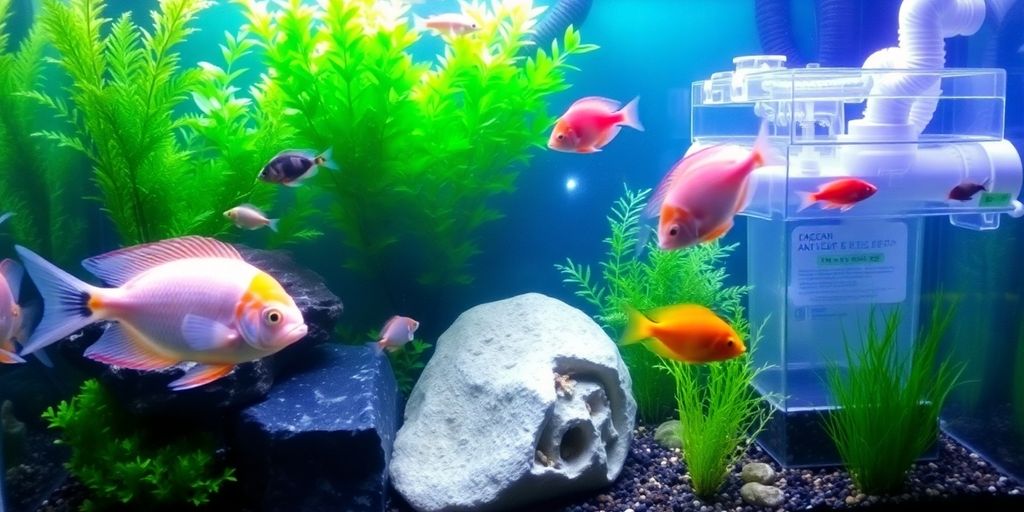
To maintain a clean and healthy environment for your fish, a good filter system is essential. It helps remove waste and keeps the water clear. Here are some key points to consider:
- Flow Rate: The filter should have a flow rate of at least four times the size of your tank. For example, if you have a 30-gallon tank, aim for a filter with a flow rate of at least 120 gallons per hour (GPH).
- Types of Filters: There are several types of filters available:
- Sponge Filters: Great for beginners due to their gentle flow and easy maintenance.
- Canister Filters: More powerful but can be complex to clean.
- Hang-On-Back Filters: Easy to install and maintain, suitable for various tank sizes.
- Filter Media: Use a combination of filter media for effective filtration. Common options include activated carbon, biological media, and mechanical media. This helps in breaking down harmful substances and keeping the water clean.
| Filter Type | Pros | Cons |
|---|---|---|
| Sponge Filter | Easy to clean, gentle flow | Limited for larger tanks |
| Canister Filter | Powerful, customizable | Complex maintenance |
| Hang-On-Back Filter | Simple installation | May take up space on tank |
A good filter system is crucial for the health of your fish. Regular maintenance and monitoring will ensure a thriving aquatic environment.
By choosing the right filter and maintaining it properly, you can create a safe and clean habitat for your fish, enhancing their overall well-being and happiness. Remember, regular cleaning is key to preventing toxic build-up in your tank!
3. Heater
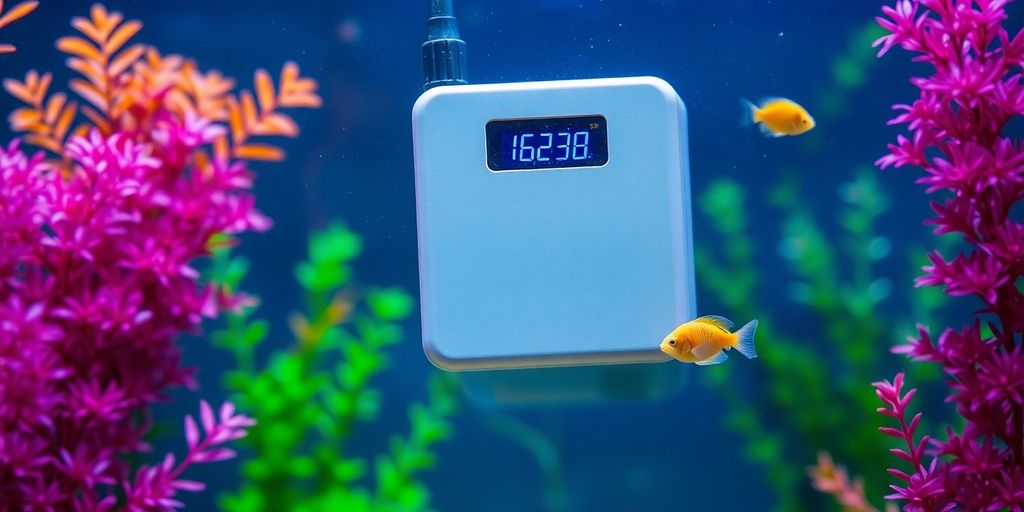
A heater is essential for maintaining the right temperature in your aquarium. Most freshwater fish thrive in warmer water, typically between 74°F and 80°F. If your home is cooler than this, a heater will help keep your fish healthy.
Choosing the Right Heater
When selecting a heater, consider the following:
- Wattage: A general rule is to use 2.5 to 5 watts per gallon of water. For example, a 10-gallon tank needs a heater between 25W and 50W.
- Type: There are different types of heaters, including:
- Submersible heaters: Fully submerged in water.
- In-line heaters: Installed in the filter system.
- Adjustability: An adjustable heater allows you to set the temperature according to the needs of your fish.
Installation Tips
- Ensure the heater is placed above the minimum water line.
- Create a drip loop when plugging it in to prevent water from reaching the outlet.
- Monitor the temperature for the first 24 hours to ensure it’s working correctly.
| Tank Size (Gallons) | Recommended Wattage |
|---|---|
| 5 | 25W |
| 10 | 50W |
| 20 | 100W |
Remember, it’s better to choose a heater that’s slightly more powerful than one that’s too weak. This way, it won’t struggle to maintain the right temperature. If you have a larger tank, consider using two smaller heaters for backup.
4. Water Conditioner
Water conditioners are essential for keeping your fish safe. They help remove harmful chemicals like chlorine and chloramine from tap water, making it safe for your aquatic friends. Here are some key points to remember:
- Choose the Right Conditioner: Look for products that specifically mention sodium thiosulfate, as this ingredient effectively neutralizes chlorine and chloramine.
- Use Regularly: Always treat tap water with a conditioner before adding it to your tank. This is crucial during water changes.
- Follow Instructions: Each product has specific dosing instructions. Make sure to read and follow them carefully.
| Conditioners | Key Ingredients | Purpose |
|---|---|---|
| Brand A | Sodium Thiosulfate | Dechlorinate water |
| Brand B | Sodium Thiosulfate | Dechlorinate water |
| Brand C | Sodium Thiosulfate | Dechlorinate water |
Using a water conditioner is a simple yet vital step in creating a healthy environment for your fish. Regular use can prevent toxic build-up and ensure a thriving aquarium.
5. Substrate
Choosing the right substrate for your aquarium is crucial for the health of your fish and plants. The substrate is the material that covers the bottom of your tank. Here are some common types:
- Gravel: This is a popular choice because it allows for good water flow and is easy to clean.
- Sand: Ideal for certain fish species, sand can create a natural look but may require more maintenance.
- Plant substrate: This is specially designed for planted tanks, providing nutrients for aquatic plants.
Important Steps for Setting Up Substrate:
- Wash the substrate: Rinse it thoroughly with dechlorinated water to avoid clouding the tank.
- Layer it properly: Aim for a depth of about 2-3 inches at the back, sloping down to the front.
- Avoid soap: Never use soap or cleaning products, as residues can harm your fish.
Remember, a well-chosen substrate not only enhances the beauty of your aquarium but also supports a healthy environment for your fish and plants.
Quick Comparison Table of Substrate Types:
| Substrate Type | Pros | Cons |
|---|---|---|
| Gravel | Easy to clean, good flow | Can trap waste |
| Sand | Natural look, soft for fish | Can compact, harder to clean |
| Plant substrate | Nutrient-rich for plants | More expensive, can cloud water |
6. Aquarium Light
Lighting is a key part of your aquarium setup. Choosing the right light can make a big difference in the health of your fish and plants. Here are some important points to consider:
Types of Aquarium Lights
- LED Lights: These are energy-efficient and last a long time. They can provide a full spectrum of light, which is great for plant growth.
- Fluorescent Lights: These are also popular and come in various sizes. They are good for both fish and plants but may need to be replaced more often than LEDs.
- Incandescent Lights: These are less common now but can be used for small tanks. They produce a lot of heat, which can be a problem.
Light Duration
- For planted tanks, aim for 10 to 12 hours of light each day.
- For non-planted tanks, 6 to 8 hours is usually enough.
- Use a timer to keep a consistent day and night cycle for your fish.
Benefits of Proper Lighting
- Enhances the colors of your fish and plants.
- Helps plants grow and stay healthy.
- Reduces algae growth by controlling light exposure.
Remember, the right lighting can create a beautiful and healthy environment for your aquatic life. Investing in quality lights is worth it!
7. Thermometer
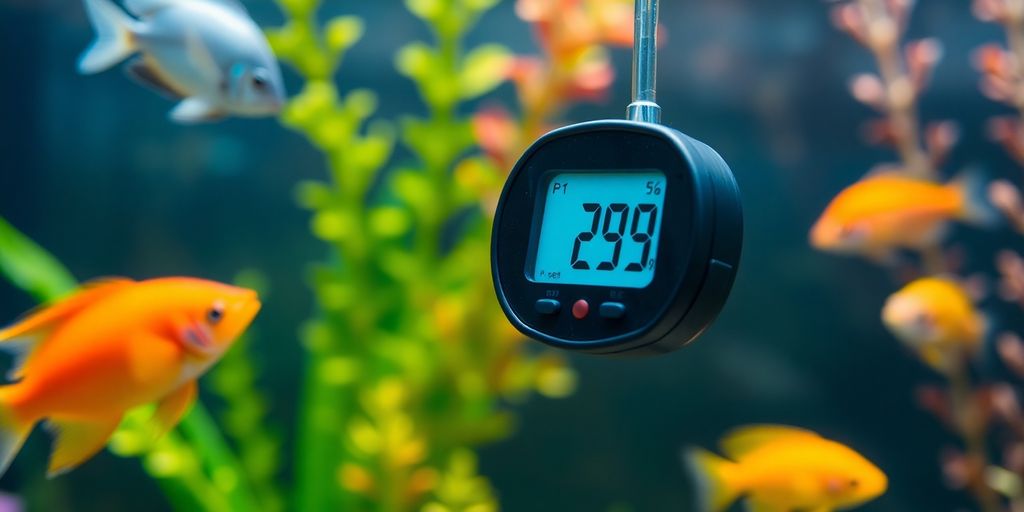
Having a thermometer in your aquarium is essential for keeping your fish healthy. It helps you monitor the water temperature, which is crucial for the well-being of your aquatic pets. Here are some key points to consider when choosing a thermometer:
Types of Thermometers
- Digital Thermometers: These provide quick and accurate readings. For example, the Vivosun LCD Digital Aquarium Thermometer is a popular choice.
- Glass Thermometers: These are traditional and reliable but can be fragile.
- Stick-On Thermometers: These are easy to use and can be placed on the outside of the tank.
Why You Need a Thermometer
- Prevent Temperature Fluctuations: Sudden changes can stress fish.
- Monitor Heater Performance: Ensure your heater is working correctly.
- Maintain Ideal Conditions: Different fish species have specific temperature needs.
| Type of Thermometer | Accuracy | Price Range |
|---|---|---|
| Digital | High | $10 – $20 |
| Glass | Medium | $5 – $15 |
| Stick-On | Low | $3 – $10 |
A thermometer is a small investment that can save your fish from stress and illness. Always check the temperature regularly!
8. Fish Food
Feeding your fish the right food is crucial for their health and happiness. A good quality pellet should be the base diet for your fish, supplemented with other nutritious options. Here are some key points to consider:
Types of Fish Food
- Pellets: These are a staple for many fish. They come in various sizes and formulations.
- Flakes: Great for surface feeders, flakes are easy to digest and come in many varieties.
- Freeze-Dried Foods: Options like bloodworms and brine shrimp can be a tasty treat for your fish.
Nutritional Needs
Different fish have different dietary needs. Here’s a quick overview:
| Fish Type | Protein Level | Recommended Food Type |
|---|---|---|
| Tropical Fish | 30-40% | High-quality pellets |
| Goldfish | 25-30% | Flakes or pellets |
| Cichlids | 35-45% | Sinking pellets |
Feeding Tips
- Portion Control: Only feed what your fish can consume in a few minutes to avoid overfeeding.
- Variety: Mix different types of food to ensure a balanced diet.
- Observe: Watch your fish to see what they enjoy and adjust accordingly.
Remember, a balanced diet is essential for your fish’s health. It helps them grow, stay vibrant, and reduces waste in the aquarium.
By providing a variety of foods, you can ensure your fish thrive in their new home!
9. Test Kit
Testing the water in your aquarium is crucial for keeping your fish healthy. A good test kit helps you monitor important water parameters. Regular testing can prevent serious issues. Here are some key points to consider:
- What to Test: You should check for ammonia, nitrite, nitrate, pH, hardness, and chlorine levels. These factors are vital for your fish’s well-being.
- Types of Kits: There are various types of test kits available:
- Liquid Test Kits: More accurate but can be a bit tricky to use.
- Test Strips: Quick and easy, but may not be as precise.
- Recommended Products: Consider using the API Freshwater Master Test Kit to quickly measure and modify the six aquarium levels that are most important to the health of your freshwater fish.
| Parameter | Ideal Range |
|---|---|
| Ammonia | 0 ppm |
| Nitrite | 0 ppm |
| Nitrate | < 20 ppm |
| pH | 6.5 – 7.5 |
| Hardness (GH) | 3 – 12 dGH |
| Chlorine | 0 ppm |
Regular testing is essential for maintaining a healthy aquarium environment. It helps you catch problems early and keep your fish thriving!
10. Decorations
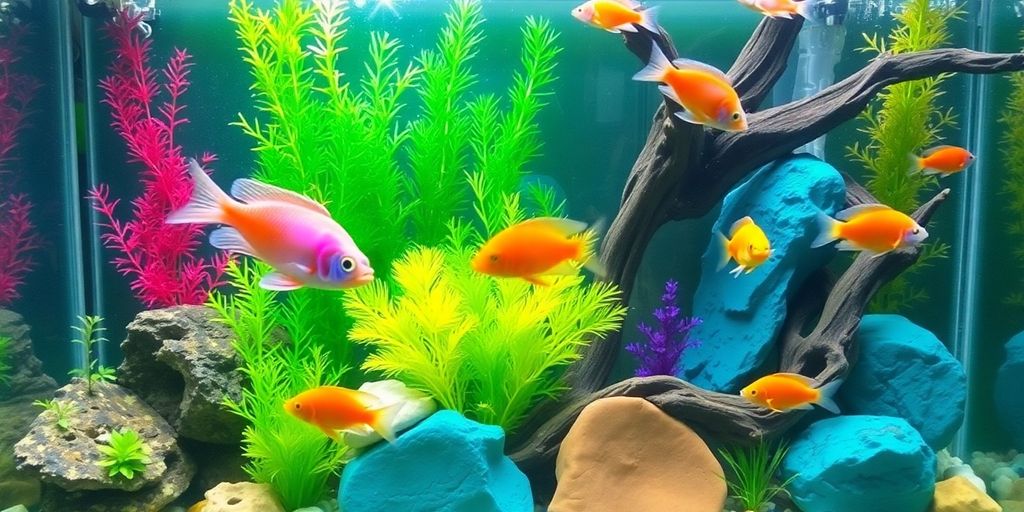
Decorating your aquarium is not just about making it look nice; it also helps your fish feel at home. Adding the right decorations can create a safe and enjoyable environment for your fish. Here are some popular options:
1. Live Plants
- Live plants provide fish with hiding spots, breeding grounds, and shelter, mimicking their natural habitat and reducing stress.
- They also help improve water quality by absorbing harmful substances.
2. Rocks and Driftwood
- These can create interesting landscapes and provide hiding places for shy fish.
- Make sure to choose non-toxic materials to keep your fish safe.
3. Artificial Decorations
- If you prefer low-maintenance options, artificial plants and decorations can still add beauty to your tank.
- Look for items that are specifically made for aquariums to avoid harmful chemicals.
4. Backgrounds
- Adding a background can hide unsightly wires and enhance the overall look of your aquarium.
- Dark backgrounds are often preferred as they make fish and plants stand out better.
5. Substrate
- The substrate at the bottom of your tank can also be considered a decoration. Choose colors and textures that complement your overall design.
Remember, the goal is to create a balanced environment that looks good and keeps your fish healthy. Choose decorations that provide both beauty and functionality.
When it comes to decorating your aquarium, the right touches can make all the difference. From vibrant plants to unique ornaments, every piece adds character to your underwater world. Ready to transform your tank? Visit our website for amazing decoration ideas and products that will bring your aquarium to life!
Final Thoughts on Your Freshwater Fish Tank
Setting up a freshwater fish tank can be a fun and rewarding experience. By following these ten essential tips, you can create a healthy and beautiful environment for your fish. Remember to take your time and be patient, as establishing a balanced ecosystem is key to your fish’s well-being. Regular maintenance and monitoring of water quality will help keep your tank thriving. Enjoy the journey of fishkeeping, and don’t hesitate to seek advice from fellow aquarists or resources to enhance your knowledge and skills!
Frequently Asked Questions
What is the best size for a beginner aquarium?
For beginners, a 20-gallon tank is a good choice. Larger tanks are easier to manage.
How often should I change the water in my fish tank?
Change about 10-15% of the water every week to keep it clean.
Do I need a heater for my fish tank?
Yes, most tropical fish need a heater to keep the water warm.
What kind of filter should I use?
A filter that can handle four times the tank’s size is ideal.
How do I know if my water is safe for fish?
Use a water test kit to check for harmful chemicals.
Can I put all my fish in at once?
It’s better to add fish slowly to avoid stressing them.
What kind of decorations can I use?
You can use plants, rocks, and other safe decorations to make the tank look nice.
How long should I wait before adding fish?
Wait at least a week after setting up the tank to let it stabilize.